Welcome to My Blog!
Before we dive into the content, I’d love for you to join me on my social media platforms where I share more insights, engage with the community, and post updates. Here’s how you can connect with me:
Facebook:https://www.facebook.com/profile.php?id=61565337355573
Now, let’s get started on our journey together. I hope you find the content here insightful, engaging, and valuable.
Introduction
When it comes to construction and manufacturing projects, selecting the appropriate steel shape is crucial for both structural integrity and efficiency. Among the various types of steel shapes available, the Z Steel Shape has gained popularity due to its unique advantages in certain applications. Its distinct design makes it ideal for specific load-bearing tasks, but not every project will benefit from its use.
In this guide, we’ll explore the factors you need to consider when choosing the right Z Steel Shape for your project. From understanding its properties to determining when it’s the best option, this article will help you make an informed decision and ensure your project runs smoothly.
What is a Z Steel Shape?

The Z Steel Shape, also known as a Z-section steel or Z-profile, is a type of steel structural shape that features a distinctive “Z” form. This shape is characterized by two flanges and a web in the middle, designed to provide strength and stability. It is typically used in the construction of frameworks, bridges, and other heavy-duty applications where load-bearing capacity is essential.
Key Features of Z Steel Shapes:
- Shape: A “Z” profile that makes it distinct from other common steel shapes like I-beams and channels.
- Strength: Offers a high strength-to-weight ratio, making it efficient for structural support.
- Versatility: Can be used for various applications, especially when combined with other types of steel shapes.
When Should You Choose Z Steel Shapes?
Choosing the right Z Steel Shape depends largely on your project requirements. Here are some of the main reasons to consider this steel profile:
1. Structural Support in Heavy Loads
Z Steel Shapes are ideal when you need strong structural support for high-load applications. Their unique shape distributes weight efficiently, making them a good choice for bridges, large buildings, or any structure where substantial load-bearing is necessary.
2. Space Optimization in Construction Projects
Due to its compact design, Z Steel is an excellent choice when working with limited space. Its profile allows it to fit into tight areas while still providing the necessary strength. This feature is especially beneficial in projects where maximizing available space is important.
3. Durability in Harsh Environments
Z Steel Shapes are often used in outdoor and industrial applications, such as the construction of warehouses or heavy machinery. Their design ensures resistance to weather conditions, making them durable and long-lasting.
Factors to Consider When Choosing Z Steel Shapes
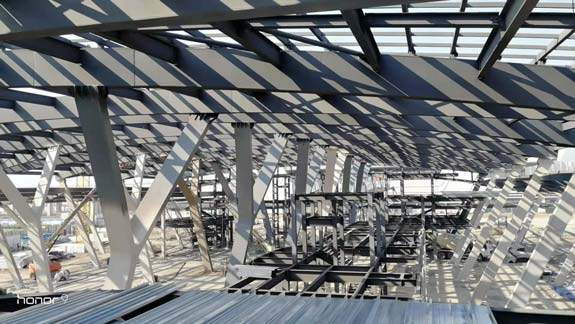
Before you choose a Z Steel Shape for your project, several factors must be considered to ensure it meets your specific needs. Below are the main criteria to evaluate:
1. Load-Bearing Requirements
The primary consideration when selecting a Z Steel Shape is the amount of weight the steel will need to support. Z Steel Shapes offer superior strength and are used in load-bearing applications like bridges and building frames. For lighter-duty tasks, you might opt for a different steel profile.
2. Dimensions and Size
Z Steel Shapes come in various sizes, and it’s crucial to choose the correct dimensions for your project. Too large of a Z-profile can be unnecessary, while too small may lack the strength needed for your application. Calculating the required size for the steel profile is essential in ensuring optimal strength and minimizing waste.
3. Material Grade
Steel material grades determine the strength, flexibility, and resistance to corrosion of the steel shape. Depending on your project’s environmental factors, you might need a Z Steel Shape made from a specific grade of steel, such as carbon steel, stainless steel, or galvanized steel.
4. Welding and Fabrication Needs
If your project requires welding or additional fabrication, you’ll need to consider how easily the Z Steel Shape can be worked with. Some grades of steel are easier to weld, while others may require specialized equipment or more advanced techniques.
5. Cost Considerations
While Z Steel Shapes offer excellent strength and durability, they can be more expensive than other profiles. Depending on the scale of your project, you may need to balance the cost of materials with the overall budget.
Z Steel Shape Specifications: A Quick Comparison
In order to help you choose the right Z Steel Shape for your project, here’s a comparison of various specifications available in the market:
| Specification | Standard Size Range | Load Capacity | Typical Applications | Material Type |
|---|---|---|---|---|
| Z Section 80 | 80mm x 80mm | Medium | Commercial buildings, framing | Carbon Steel |
| Z Section 150 | 150mm x 150mm | Heavy | Bridges, structural supports | Stainless Steel |
| Z Section 200 | 200mm x 200mm | Very Heavy | Industrial construction, railways | Galvanized Steel |
| Z Section 300 | 300mm x 300mm | Very Heavy | Large infrastructure projects | Alloy Steel |
Choosing the Right Z Steel Shape Based on Project Type:
- Small-Scale Residential Projects: Z Section 80
- Commercial Buildings: Z Section 150
- Heavy Infrastructure: Z Section 200 or 300
Conclusion: Make the Right Choice with Z Steel Shapes
Choosing the right Z Steel Shape is essential for ensuring the durability, strength, and overall success of your project. With the correct material, size, and shape, you can achieve significant structural integrity and longevity in your constructions. By considering factors such as load-bearing capacity, size, material grade, and your project’s specific needs, you will be able to make an informed decision.
When in doubt, consult with experts or reliable steel suppliers to find the best Z Steel Shape for your requirements. Brands like Qilu offer a wide variety of steel shapes, including Z Steel, that are known for their high-quality construction and reliability.
FAQ: Answers to Your Z Steel Shape Questions
1. What is the difference between Z Steel Shapes and I-Beams?
Z Steel Shapes and I-Beams are both structural steel profiles, but they differ in design. Z Steel Shapes have a “Z” profile, offering more versatility and better load distribution, while I-Beams have an “I” shape, which is better suited for specific heavy-duty applications. Z Steel Shapes are often used for lighter construction projects or areas with limited space.
2. What are the benefits of using Z Steel Shapes in construction?
Z Steel Shapes provide high strength with a compact design, making them ideal for load-bearing applications in tight spaces. They offer excellent durability and resistance to harsh environments, ensuring long-lasting performance in both indoor and outdoor settings.
3. How do I determine the right size of Z Steel Shape for my project?
The right size of Z Steel Shape depends on your project’s load-bearing requirements and the space available. Consulting with an engineer or a steel supplier like Qilu can help you calculate the ideal size based on your project’s needs.
4. Can Z Steel Shapes be used for welding and fabrication?
Yes, Z Steel Shapes can be welded and fabricated. However, it is essential to choose the right material grade and ensure that welding techniques suitable for the steel type are employed. Some steel grades are easier to work with, so consulting a fabricator may be beneficial.
5. Are Z Steel Shapes expensive compared to other steel shapes?
While Z Steel Shapes can be more expensive than other types of steel profiles, their superior strength and versatility often justify the cost, especially for heavy-duty applications. The overall cost will depend on the size, material grade, and quantity needed for your project.