Welcome to My Blog!
Before we dive into the content, if you’re interested in our products or have any questions, please feel free to visit our Contact Us page on the website. Our team is ready to assist you with inquiries, orders, or any support you may need.
Now, let’s get started on our journey together. I hope you find the content here insightful, engaging, and valuable.
Table of Contents
Introduction

Choosing the right materials is essential for ensuring the strength, durability, and safety of any construction project. Among the various materials available, steel components stand out for their versatility, reliability, and wide range of applications. Whether you’re constructing a residential home, an office building, or a large industrial complex, selecting the right steel components is vital for achieving structural integrity and cost-efficiency.
This article explores key factors to consider when choosing steel components for your project, the different types of steel components available, and how to make an informed decision based on your specific needs.
What Are Steel Component and Their Role in Construction?
Steel component refer to structural elements made from steel that are used to provide strength, support, and stability in buildings. These components include beams, columns, trusses, and other structural elements that form the backbone of a building. The main purpose of these components is to support loads, resist external forces, and ensure the long-term durability of the structure.
Common Types of Steel Component:
- Steel Beams: Horizontal components that bear loads.
- Steel Columns: Vertical components that support weight from above.
- Steel Plates: Reinforce structures to increase strength.
- Steel Trusses: Frameworks designed to distribute loads over wide spans.
Steel components are essential for creating a safe and stable foundation for any building, whether it’s a high-rise or a low-rise structure.
Factors to Consider When Choosing Steel Components
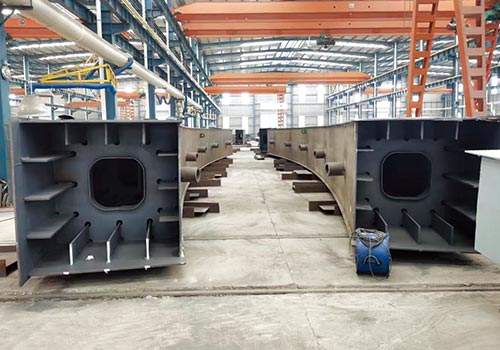
Selecting the right steel component is a complex decision that depends on several factors:
- Strength Requirements: Steel components come in various grades and strengths. For high-load structures, high-strength steel is required to ensure durability and safety.
- Environmental Conditions: For projects in coastal or harsh environments, corrosion-resistant steel may be necessary to protect the structure from environmental damage.
- Budget: While higher-quality steel components are more expensive, they provide better durability and lower long-term maintenance costs.
- Construction Speed: Prefabricated steel component can speed up construction, reducing labor costs and on-site assembly time.
Making the right choice involves balancing these factors to meet both the performance and budget requirements of your project.
Choosing Steel Components for Structural Integrity
The primary goal of any construction project is to ensure structural integrity, and steel component play a crucial role in achieving this. Steel is renowned for its high strength-to-weight ratio, but the right choice of steel components must be made to meet the specific needs of your project.
Key Considerations:
- Grade of Steel: Different grades offer varying levels of durability, resistance to corrosion, and overall strength.
- Workability: The ease of fabrication and welding should be considered depending on your construction needs.
- Connection Strength: The ability to easily and securely connect components is critical for maintaining the overall integrity of the structure.
Choosing high-quality steel component ensures a strong, safe, and durable building.
Steel Components vs. Other Materials: A Comparison
Steel components offer numerous advantages over traditional construction materials like wood, concrete, and masonry. Here’s a comparison to illustrate the benefits:
| Feature | Steel Components | Wood | Concrete | Masonry |
|---|---|---|---|---|
| Strength | High strength-to-weight ratio | Moderate strength | Very strong | Moderate strength |
| Durability | Highly durable, corrosion-resistant | Prone to rot and pests | Highly durable | Prone to cracking |
| Cost | Higher initial cost, lower long-term maintenance | Lower initial cost | Higher initial cost | Moderate cost |
| Environmental Impact | Recyclable, energy-efficient | Renewable, but limited lifespan | High carbon footprint | High energy usage |
| Workability | Requires skilled labor | Easy to work with | Complex and time-consuming | Time-consuming |
While steel components may have a higher upfront cost, they offer better long-term value, enhanced safety, and increased durability when compared to other materials.
Steel Component for High-Load Structures
For high-load bearing structures like bridges, industrial buildings, and skyscrapers, steel component is indispensable. Their ability to handle significant loads without deformation or failure makes them ideal for these types of applications.
Steel’s High-Load Capabilities:
- Tensile Strength: Steel’s ability to resist tension and deformation makes it ideal for heavy-duty applications.
- Load Distribution: Steel beams and columns are designed to distribute loads evenly, preventing stress concentration in specific areas.
- Resistance to Deformation: Steel component can withstand heavy loads without losing their structural integrity, unlike materials like wood or concrete.
For high-load structures, choosing the right steel components ensures a safe and stable foundation.
Steel Components for Sustainable Construction
Sustainability has become a central focus in modern construction, and steel component contribute significantly to sustainable building practices. Steel is one of the most recycled materials in the world, and its efficient use helps reduce construction waste.
Sustainability Benefits of Steel Component:
- Recyclability: Steel can be recycled indefinitely, reducing the need for raw materials and minimizing waste.
- Energy Efficiency: Steel component can be engineered to improve energy efficiency in buildings, contributing to a smaller environmental footprint.
- Long Lifespan: Steel component last longer, reducing the need for replacements and conserving resources in the long run.
By opting for steel component in sustainable projects, you not only ensure durability but also contribute to a greener construction industry.
Steel Component in Prefabricated Construction
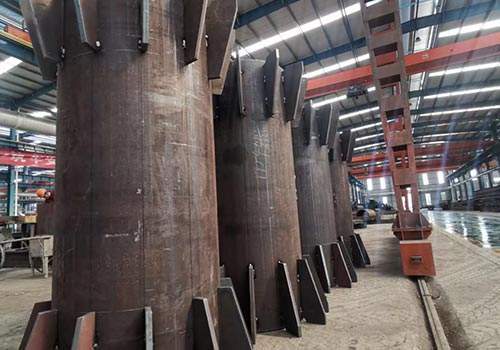
Prefabrication is becoming increasingly popular for its cost-efficiency and shorter construction timelines. Steel component are perfect for prefabrication as they can be easily manufactured off-site, reducing construction time and labor costs.
Benefits of Prefabricated Steel Component:
- Faster Construction: Prefabricated steel component are quickly assembled on-site, reducing overall project timelines.
- Precision Manufacturing: Steel component can be produced to exact specifications, ensuring precision and minimizing errors during construction.
- Cost Efficiency: Prefabrication reduces waste, minimizes on-site labor, and speeds up the overall construction process, saving both time and money.
For projects where time and efficiency are crucial, using prefabricated steel component is a practical and effective solution.
Steel Components for Fire-Resistant Structures
In areas where fire safety is critical, steel components offer unmatched fire-resistant properties. Steel can withstand high temperatures and, when treated with fireproof coatings, becomes even more resistant to fire damage.
Fire-Resistant Benefits of Steel:
- High-Temperature Resistance: Steel component maintain their structural integrity at high temperatures, unlike materials such as wood, which are prone to fire.
- Fireproof Coatings: Steel component can be coated with fire-resistant materials to enhance their fire-resistant properties.
- Structural Safety: Steel’s resistance to fire ensures that the structure remains intact during a fire, providing essential time for evacuation and firefighting efforts.
By using fire-resistant steel component, you ensure the safety of both the structure and its occupants.
Corrosion-Resistant Steel Component
For projects exposed to harsh environments, such as coastal areas or regions with extreme temperatures, corrosion-resistant steel component are a must. These components, like stainless steel or weathering steel, offer added protection against corrosion.
Benefits of Corrosion-Resistant Steel:
- Durability: Corrosion-resistant steel component last longer in adverse environmental conditions.
- Low Maintenance: These components require less frequent maintenance, saving on long-term repair costs.
- Safety: By preventing the deterioration of structural components, corrosion-resistant steel ensures the safety and stability of the building.
For projects located in harsh conditions, corrosion-resistant steel components are essential for ensuring durability and reducing maintenance costs.
Top Steel Components Suppliers
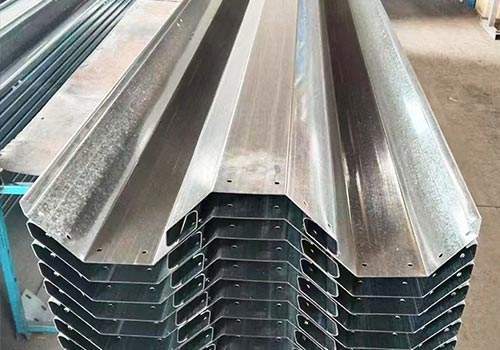
Selecting the right supplier for steel component is just as important as choosing the components themselves. High-quality suppliers deliver durable, reliable materials and offer precise engineering for your project.
What to Look for in a Supplier:
- Reputation: Choose suppliers with a strong history of providing high-quality steel components for diverse projects.
- Customization: Suppliers should be able to provide custom-made steel components to suit specific needs.
- Certifications: Ensure the supplier adheres to industry standards and certifications for quality and safety.
Choosing a reputable supplier ensures that your project will have the necessary materials for successful completion.
Conclusion
Choosing the right steel components for your project is a critical step in ensuring the structural integrity, durability, and safety of the building. By carefully considering factors such as strength, sustainability, and corrosion resistance, you can make an informed decision that will benefit your project in both the short and long term. The right choice of steel components not only ensures that your building meets safety standards but also contributes to energy efficiency and environmental sustainability.
FAQ
What types of steel components are used in construction?
Common steel components used in construction include beams, columns, trusses, and plates, all of which provide essential structural support.
How do steel components improve a building’s longevity?
Steel components are highly durable, resistant to corrosion, and can withstand various environmental stresses, ensuring that the structure lasts for decades.
Can steel components be used in both residential and commercial buildings?
Yes, steel components are versatile and can be used in both residential and commercial buildings due to their strength, flexibility, and cost-efficiency.