Welcome to My Blog!
Before we dive into the content, I’d love for you to join me on my social media platforms where I share more insights, engage with the community, and post updates. Here’s how you can connect with me:
Facebook:https://www.facebook.com/profile.php?id=61565337355573
Now, let’s get started on our journey together. I hope you find the content here insightful, engaging, and valuable.
Table of Contents
Introduction
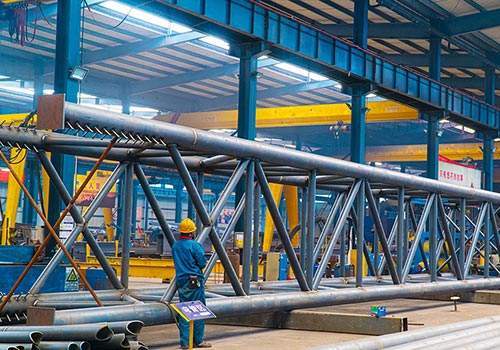
Metal truss beams are a cornerstone of modern construction, offering unmatched strength, versatility, and efficiency for a wide range of structural applications. These engineered frameworks, typically made from steel or aluminum, are designed to support heavy loads while minimizing material use, making them a popular choice for buildings, bridges, and industrial structures. At Guanglei, a leading enterprise established in 2002, we specialize in the design, production, and installation of high-quality metal truss beams. With advanced production equipment and robust manufacturing capabilities, Guanglei has built a reputation for delivering durable and reliable solutions for large-scale steel structure projects.
This guide aims to help architects, engineers, contractors, and project managers understand the key factors in selecting the right metal truss beam for their needs. From design considerations to material choices, we’ll explore the essentials of metal truss beams to ensure your project achieves optimal performance and cost-efficiency.
What Is a Metal Truss Beam?
A metal truss beam is a structural component composed of interconnected triangular units, typically made from steel or aluminum, that distribute loads efficiently across a span. The triangular configuration provides exceptional strength-to-weight ratios, allowing truss beams to support significant loads over long distances without excessive material. This makes them ideal for applications such as roofing systems, bridges, warehouses, and large commercial buildings.
At Guanglei, our truss beams are crafted with precision, leveraging our state-of-the-art production facilities to meet the specific demands of each project. Whether you’re constructing a sprawling industrial complex or a sleek commercial space, understanding the mechanics of truss beams is crucial for making informed decisions.
Benefits of Using Metal Truss Beams
Strength and Durability
Metal truss beams are renowned for their ability to withstand heavy loads and harsh environmental conditions. Steel, in particular, offers excellent tensile strength, while aluminum provides corrosion resistance, making metal truss beams suitable for both indoor and outdoor applications.
Cost-Effectiveness
By optimizing material use, truss beams reduce construction costs without compromising structural integrity. Their prefabricated nature also minimizes on-site labor expenses, a key advantage for large-scale projects.
Versatility in Design
Metal truss beams can be customized to fit various architectural styles and structural requirements. From flat trusses for low-slope roofs to complex designs for bridges, their adaptability makes them a go-to solution for diverse applications.
Sustainability
Metal truss beams are often made from recyclable materials, contributing to environmentally friendly construction practices. At Guanglei, we prioritize sustainable production methods to align with modern green building standards.
Key Factors to Consider When Choosing a Truss Beam
Selecting the right truss beam involves evaluating several critical factors to ensure it meets your project’s needs. Below are the primary considerations:
Load-Bearing Capacity
The metal truss beam must support the anticipated loads, including dead loads (permanent fixtures), live loads (occupants or equipment), and environmental loads (wind or snow). Consulting with a structural engineer is essential to determine the appropriate specifications.
Span and Geometry
The length of the span and the shape of the truss influence the design. Longer spans may require deeper or more complex truss beams to maintain stability, while shorter spans can use simpler configurations.
Material Selection
Steel is the most common material for truss beams due to its strength and affordability. However, aluminum may be preferred for projects requiring lightweight or corrosion-resistant solutions. Guanglei offers both options, tailored to your project’s requirements.
Environmental Conditions
Consider the site’s climate and exposure to elements. For coastal areas, corrosion-resistant coatings or materials are critical to prolong the lifespan of truss beams.
Types of Metal Truss Beams
Metal truss beams come in various configurations, each suited to specific applications. Below is a table summarizing common types of truss beams, their characteristics, and typical uses.
| Truss Type | Description | Typical Applications | Advantages |
|---|---|---|---|
| Pratt Truss | Features vertical members in compression and diagonal members in tension. | Bridges, industrial buildings | Efficient load distribution, cost-effective |
| Warren Truss | Equilateral triangles with alternating tension and compression members. | Roofs, bridges | Simple design, minimal material use |
| Howe Truss | Vertical members in tension and diagonal members in compression. | Warehouses, agricultural buildings | High strength for heavy loads |
| Fink Truss | Complex web of diagonals for shorter spans, often used in residential roofs. | Residential and commercial roofing | Lightweight, aesthetically versatile |
| K Truss | K-shaped pattern for reduced member lengths, ideal for long spans. | Large bridges, industrial structures | Reduced buckling risk, high stability |
This table provides a snapshot of the diversity of truss beams, helping you choose the right type for your project. At Guanglei, our team can guide you through the selection process, ensuring the chosen truss aligns with your structural and aesthetic goals.
Design Considerations for Metal Truss Beams
Structural Analysis
A thorough structural analysis is critical to ensure the truss beam can handle the intended loads. Software tools like SAP2000 or STAAD.Pro are commonly used to model and test truss designs before fabrication.
Aesthetic Integration
While functionality is paramount, the visual appeal of metal truss beams can enhance a building’s design. Exposed trusses, for example, are popular in modern industrial or commercial spaces for their sleek, open look.
Connection Details
The connections between truss members—whether welded, bolted, or riveted—must be designed to transfer loads effectively. Poorly designed connections can compromise the integrity of the entire truss beam.
Compliance with Building Codes
Metal truss beams must adhere to local building codes and standards, such as those set by the American Institute of Steel Construction (AISC) or Eurocode. Guanglei ensures all our truss beams meet or exceed these requirements, providing peace of mind for your project.
Installation Best Practices for Metal Truss Beams
Proper installation is as important as design when it comes to metal truss beams. Here are some best practices to follow:
Pre-Installation Planning
Before installation, verify that the metal truss beams match the project specifications and that the site is prepared. This includes ensuring foundations are level and capable of supporting the truss loads.
Use of Proper Equipment
Cranes and other heavy machinery are often required to lift and position truss beams. Ensure operators are trained and equipment is in good condition to avoid accidents.
Quality Control
Inspect the truss beams for defects or damage before and during installation. At Guanglei, our rigorous quality assurance processes ensure every truss meets the highest standards before leaving our facility.
Coordination with Other Trades
Installation of metal truss beams must be coordinated with other construction activities, such as roofing or cladding, to avoid delays and ensure a seamless workflow.
Maintenance and Longevity of Truss Beams
To maximize the lifespan of truss beams, regular maintenance is essential. Here are some tips to keep them in top condition:
Regular Inspections
Schedule periodic inspections to check for signs of corrosion, fatigue, or structural damage. Early detection can prevent costly repairs.
Protective Coatings
Apply or reapply protective coatings, such as galvanization or paint, to shield truss beams from moisture and environmental wear.
Load Monitoring
Ensure the truss beam is not subjected to loads beyond its design capacity, as overloading can lead to deformation or failure.
Guanglei’s truss beams are built to last, but proper care ensures they perform reliably for decades, even in demanding conditions.
Common Applications of Metal Truss Beams

Metal truss beams are used in a wide array of projects, including:
- Commercial Buildings: For open, column-free spaces in retail centers or offices.
- Industrial Facilities: To support heavy machinery in factories or warehouses.
- Bridges: For both pedestrian and vehicular traffic, offering long-span capabilities.
- Agricultural Structures: For barns or storage facilities requiring durable roofing systems.
- Residential Projects: In modern homes with exposed trusses for aesthetic appeal.
Guanglei has successfully delivered metal truss beams for all these applications, leveraging our expertise to meet the unique needs of each project.
Conclusion
Choosing the right metal truss beam is a critical decision that impacts the safety, efficiency, and aesthetics of your construction project. By considering factors like load capacity, material selection, and design requirements, you can ensure your project benefits from the strength and versatility of metal truss beams. At Guanglei, our 20+ years of experience and advanced manufacturing capabilities make us a trusted partner for delivering high-quality truss beams tailored to your needs.
Ready to start your project? Contact us today to explore our metal truss beam solutions and elevate your construction to the next level.
FAQ
What is the lifespan of a truss beam?
With proper maintenance, a truss beam can last 50 years or more, depending on the material and environmental conditions.
Can metal truss beams be used in coastal areas?
Yes, but corrosion-resistant materials or coatings, such as galvanized steel or aluminum, are recommended to combat saltwater exposure.
How do I know which metal truss beam is right for my project?
Consulting with a structural engineer and a trusted supplier like Guanglei can help you select the appropriate metal truss beam based on load, span, and design requirements.