Welcome to My Blog!
Before we dive into the content, I’d love for you to join me on my social media platforms where I share more insights, engage with the community, and post updates. Here’s how you can connect with me:
Facebook:https://www.facebook.com/profile.php?id=61565337355573
Now, let’s get started on our journey together. I hope you find the content here insightful, engaging, and valuable.
Table of Contents
Introduction
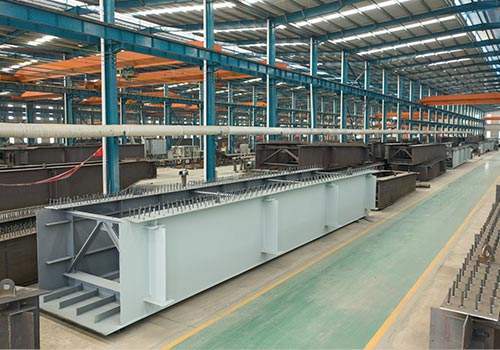
Welding structural steel is a critical process in the construction and manufacturing industries, ensuring the durability and integrity of steel frameworks used in buildings, bridges, and industrial structures. The choice of welding method directly impacts the strength, safety, and longevity of these structures. At Guanglei, a leading enterprise established in 2002, we specialize in designing, producing, and installing large-scale steel structures, leveraging advanced equipment and robust production capabilities to deliver high-quality welding structural steel solutions. This blog explores various welding methods, their applications, and key considerations to help you select the best approach for your project.
Why Welding Structural Steel Matters
The process of welding structural steel involves joining steel components to form robust frameworks capable of withstanding significant loads and environmental stresses. The right welding method ensures that the steel maintains its mechanical properties, such as tensile strength and ductility, while minimizing defects like cracks or porosity. Choosing an appropriate welding technique is essential for meeting industry standards, ensuring safety, and optimizing project costs. With over two decades of experience, Guanglei has honed its expertise in welding structural steel, delivering projects that meet stringent quality requirements.
Common Welding Structural Steel Methods

Several welding techniques are used in structural steel fabrication, each with unique advantages and applications. Below, we explore the most widely used methods for welding structural steel, highlighting their suitability for different project needs.
Shielded Metal Arc Welding (SMAW) for Structural Steel
Shielded Metal Arc Welding, also known as stick welding, is a versatile and widely used method for welding structural steel. It uses a consumable electrode coated in flux to create an arc that melts the electrode and base metal, forming a weld. SMAW is ideal for outdoor applications and projects requiring portability, as it does not require external shielding gas. However, it may not be suitable for thin materials or high-speed production due to its relatively slow welding speed.
Gas Metal Arc Welding (GMAW) for Structural Steel
Gas Metal Arc Welding, or MIG welding, employs a continuous wire electrode and a shielding gas to protect the weld pool from contamination. This method is known for its speed and efficiency, making it a popular choice for welding structural steel in large-scale projects. GMAW is suitable for both thick and thin steel sections, offering excellent control over the weld bead. At Guanglei, we utilize GMAW in many of our projects to achieve high-quality welds with minimal defects.
Flux-Cored Arc Welding (FCAW) for Structural Steel
Flux-Cored Arc Welding is similar to GMAW but uses a tubular wire filled with flux, which provides its own shielding. This method is highly effective for welding structural steel in outdoor environments, as it is less sensitive to wind and contaminants. FCAW offers high deposition rates, making it ideal for thick steel sections and large-scale fabrication. However, it may produce more slag, requiring additional cleanup.
Submerged Arc Welding (SAW) for Structural Steel
Submerged Arc Welding involves feeding a continuous wire electrode under a layer of granular flux, which shields the arc and weld pool. This method is highly efficient for welding structural steel in automated or semi-automated settings, particularly for long, straight welds on thick plates. SAW produces deep penetration and high-quality welds but is less versatile for complex geometries due to its reliance on flat or horizontal welding positions.
Gas Tungsten Arc Welding (GTAW) for Structural Steel
Gas Tungsten Arc Welding, or TIG welding, uses a non-consumable tungsten electrode and a shielding gas to produce precise, high-quality welds. While GTAW is less common for welding structural steel due to its slower speed, it is ideal for applications requiring exceptional weld aesthetics or thin materials. This method is often used in specialized projects where precision is paramount.
Factors to Consider When Choosing a Welding Structural Steel Method
Selecting the best welding structural steel method depends on several factors, including project requirements, material properties, and environmental conditions. Below is a table summarizing key considerations for each welding method to guide your decision-making process.
| Welding Method | Best For | Advantages | Limitations | Typical Applications |
|---|---|---|---|---|
| SMAW (Stick) | Outdoor, portable projects | Versatile, low equipment cost | Slower, more slag | Construction, repairs |
| GMAW (MIG) | High-speed production | Fast, easy to automate | Sensitive to wind | Industrial fabrication |
| FCAW | Thick steel, outdoor | High deposition rate | Slag cleanup needed | Heavy equipment, bridges |
| SAW | Thick plates, automated | Deep penetration, high quality | Limited to flat positions | Large-scale fabrication |
| GTAW (TIG) | Thin materials, precision | High-quality welds | Slow, costly | Specialized structures |
This table provides a quick reference for comparing welding structural steel methods, helping you align your choice with project goals. At Guanglei, our advanced production capabilities allow us to tailor welding methods to specific project needs, ensuring optimal results.
Welding Structural Steel Standards and Quality Control
Adhering to industry standards is crucial for welding structural steel to ensure safety and performance. Organizations like the American Welding Society (AWS) and the International Organization for Standardization (ISO) provide guidelines for weld quality, welder qualifications, and inspection procedures. Key standards include AWS D1.1 for structural steel welding and ISO 3834 for quality requirements. Implementing rigorous quality control measures, such as non-destructive testing (NDT) and welder certifications, helps identify defects and ensure compliance. Guanglei’s commitment to quality has enabled us to deliver projects that consistently meet or exceed these standards.
Cost Considerations in Welding Structural Steel
The cost of welding structural steel varies depending on the method, material thickness, labor requirements, and project scale. For example, GMAW and SAW are cost-effective for large-scale projects due to their speed and automation potential, while GTAW may be more expensive due to its labor-intensive nature. Balancing cost with quality is essential to avoid compromising structural integrity. At Guanglei, we optimize welding processes to deliver cost-effective solutions without sacrificing performance, leveraging our advanced equipment and experienced team.
Environmental and Safety Considerations for Welding Structural Steel
Welding structural steel involves hazards such as fumes, ultraviolet radiation, and electrical risks, necessitating strict safety protocols. Proper ventilation, personal protective equipment (PPE), and training are essential to protect workers. Additionally, environmental factors like wind or moisture can affect weld quality, particularly for methods like GMAW that rely on shielding gas. Choosing a welding method suited to the project environment is critical for consistent results. Guanglei prioritizes safety and environmental responsibility, ensuring that our welding processes comply with regulations and protect both workers and the environment.
Advanced Technologies in Welding Structural Steel

Recent advancements in welding technology have enhanced the efficiency and quality of welding structural steel. Automated welding systems, such as robotic GMAW and SAW, improve precision and reduce labor costs. Laser welding and hybrid welding techniques are also gaining traction for specialized applications, offering high-speed and high-quality welds. At Guanglei, we invest in cutting-edge equipment to stay at the forefront of welding structural steel innovation, enabling us to tackle complex projects with confidence.
Conclusion
Choosing the best welding structural steel method requires careful consideration of project requirements, material properties, cost, and environmental factors. Each method—whether SMAW, GMAW, FCAW, SAW, or GTAW—offers unique benefits and challenges, making it essential to align your choice with specific needs. By understanding the strengths and limitations of each technique, you can ensure the durability, safety, and efficiency of your steel structures. For expert guidance and high-quality welding solutions, contact us at Guanglei to discuss your project needs and discover how we can help you achieve success.
FAQ
What is the most cost-effective method for welding structural steel?
The cost-effectiveness of welding structural steel depends on the project. GMAW and SAW are often more economical for large-scale projects due to their speed and automation potential, while SMAW may be more cost-effective for smaller, portable jobs.
Which welding method is best for outdoor structural steel projects?
SMAW and FCAW are well-suited for outdoor welding structural steel projects, as they are less sensitive to wind and environmental contaminants compared to GMAW.
How can I ensure the quality of welds in structural steel?
To ensure weld quality, adhere to industry standards like AWS D1.1, use certified welders, and implement non-destructive testing (NDT) to detect defects. Partnering with an experienced company like Guanglei can also guarantee high-quality results.