Welcome to My Blog!
Before we dive into the content, I’d love for you to join me on my social media platforms where I share more insights, engage with the community, and post updates. Here’s how you can connect with me:
Facebook:https://www.facebook.com/profile.php?id=61565337355573
Now, let’s get started on our journey together. I hope you find the content here insightful, engaging, and valuable.
Table of Contents
Introduction

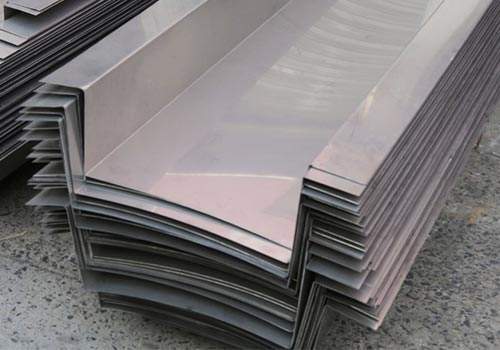
C channel steel, a versatile structural component, has become a cornerstone in modern construction due to its unique shape and exceptional strength. Shaped like the letter “C,” this steel profile features a flat back with two perpendicular flanges, making it ideal for a range of building applications. From residential homes to large-scale industrial projects, c channel steel provides engineers and builders with a reliable material that balances durability, flexibility, and cost-efficiency. This blog explores the numerous benefits of using c channel steel in building projects, diving into its structural advantages, cost-saving potential, and adaptability across various construction scenarios. Whether you’re an architect, contractor, or project manager, understanding the value of this material can enhance your project’s success.
Why C Channel Steel Stands Out in Structural Design
Strength and Load-Bearing Capacity of C-Channel Steel
One of the primary reasons c-channel steel is favored in construction is its impressive strength-to-weight ratio. The C-shaped profile allows it to distribute loads evenly, making it suitable for supporting heavy weights without adding excessive bulk to the structure. This characteristic is particularly valuable in projects requiring long spans, such as bridges or warehouse roofs, where minimizing material weight while maintaining structural integrity is critical. The steel’s ability to resist bending and torsion further enhances its reliability in dynamic environments, such as earthquake-prone regions.
Versatility in Building Applications
C-channel steel’s adaptability makes it a go-to choice for diverse construction needs. It can be used as beams, columns, purlins, or bracing elements, depending on the project’s requirements. Its uniform shape allows for easy integration into frameworks, whether for framing walls in residential buildings or supporting heavy machinery in industrial facilities. This versatility reduces the need for multiple material types, streamlining construction processes and reducing costs.
Cost-Effectiveness of Using C Channel Steel
Long-Term Durability and Low Maintenance
C channel steel is engineered to withstand harsh environmental conditions, including corrosion, when properly treated with coatings like galvanization. This durability translates to lower maintenance costs over the lifespan of a building. Unlike wood or other materials that may degrade over time, steel retains its structural properties, reducing the need for frequent repairs or replacements. For budget-conscious project managers, this long-term reliability makes c channel steel an economically sound investment.
Efficient Fabrication and Installation
The standardized dimensions of c-channel steel simplify fabrication and installation processes. Manufacturers produce these profiles in various sizes, allowing builders to select the exact specifications needed for their projects. This precision reduces waste and accelerates construction timelines. Additionally, the material’s lightweight nature compared to other structural components, like solid beams, makes it easier to transport and handle on-site, further cutting labor costs.
Environmental Benefits of C-Channel Steel in Construction
Sustainability Through Recyclability
In an era where sustainable construction practices are paramount, c-channel steel shines as an eco-friendly option. Steel is one of the most recyclable materials globally, with nearly all steel products containing some recycled content. Using c-channel steel in building projects supports a circular economy, reducing the demand for virgin resources and minimizing waste. Builders committed to green certifications, such as LEED, can leverage this material to meet environmental standards.
Energy Efficiency in Production and Use
Modern steel production techniques have become increasingly energy-efficient, lowering the carbon footprint associated with manufacturing c channel steel. Additionally, its use in construction can enhance a building’s energy performance. For instance, steel frameworks can accommodate advanced insulation systems, improving thermal efficiency and reducing energy consumption for heating and cooling.
Table: Common Applications and Specifications of C Channel Steel
The following table outlines typical uses and specifications for c-channel steel in construction, highlighting its adaptability across project types:
| Application | Typical Use Case | Key Benefit |
|---|---|---|
| Structural Beams | Supporting floors and roofs | High load-bearing capacity |
| Wall Framing | Residential and commercial wall systems | Easy integration with drywall |
| Purlins | Roof support in industrial buildings | Lightweight yet strong |
| Bracing Elements | Stabilizing frameworks in high-wind areas | Enhanced structural stability |
| Machinery Supports | Industrial equipment foundations | Durability under heavy loads |
This table serves as a reference for builders selecting c channel steel for specific project needs, ensuring optimal performance and cost savings.
Safety Advantages of C Channel Steel in Building Projects
Fire Resistance and Structural Integrity
C channel steel offers significant safety benefits, particularly in fire-prone environments. Unlike wood, steel does not combust, maintaining its structural integrity under high temperatures. This fire resistance can provide critical time for evacuation and firefighting efforts, enhancing occupant safety. Additionally, steel’s predictable behavior under stress allows engineers to design buildings with precise safety margins.
Compliance with Building Codes
Most building codes worldwide recognize c-channel steel as a compliant material for structural applications. Its consistent mechanical properties make it easier to meet regulatory requirements for load-bearing capacity, seismic resistance, and fire safety. By using this material, builders can avoid costly redesigns or penalties associated with non-compliance.
Customization Options for C Channel Steel
Tailored Dimensions and Finishes
C channel steel can be customized to meet specific project demands, from unique dimensions to specialized coatings. Manufacturers offer a range of flange widths, depths, and thicknesses, allowing builders to tailor the material to precise engineering specifications. Protective finishes, such as powder coating or galvanization, enhance durability and aesthetic appeal, making c-channel steel suitable for both functional and decorative applications.
Integration with Other Materials
The material’s compatibility with other construction components, such as concrete, wood, or glass, adds to its customization potential. For example, c-channel steel can serve as a framework for glass curtain walls in commercial buildings or as reinforcement in concrete structures. This flexibility enables architects to achieve innovative designs without compromising structural performance.
Challenges and Considerations When Using C Channel Steel
Addressing Corrosion Risks
While c channel steel is highly durable, it is susceptible to corrosion in humid or coastal environments if not properly treated. Builders must ensure appropriate protective coatings are applied and conduct regular inspections to maintain the material’s longevity. Advances in coating technologies, such as zinc-aluminum alloys, have mitigated this challenge, but it remains a critical consideration.
Design and Engineering Expertise
Maximizing the benefits of c channel steel requires skilled engineering and design. Incorrect sizing or improper installation can compromise its performance, leading to structural issues. Collaborating with experienced professionals ensures the material is used effectively, optimizing both safety and efficiency.
Conclusion
C channel steel offers a compelling combination of strength, versatility, and cost-effectiveness, making it an ideal material for a wide range of building projects. Its ability to support heavy loads, resist environmental challenges, and integrate seamlessly into various designs positions it as a top choice for modern construction. By choosing this material, builders can achieve durable, sustainable, and safe structures while staying within budget. Ready to elevate your next project with c channel steel? Contact us today to explore our high-quality options and start building with confidence.
FAQ
What is c channel steel used for in building projects?
C channel steel is used for structural beams, wall framing, purlins, bracing, and machinery supports, offering strength and versatility across residential, commercial, and industrial applications.
How does c channel steel compare to other steel profiles?
C channel steel provides a high strength-to-weight ratio and is easier to fabricate than solid beams or I-beams, making it a cost-effective choice for many projects.
Is c channel steel environmentally friendly?
Yes, c channel steel is highly recyclable, supports sustainable construction practices, and can contribute to energy-efficient building designs.