Welcome to My Blog!
Before we dive into the content, I’d love for you to join me on my social media platforms where I share more insights, engage with the community, and post updates. Here’s how you can connect with me:
Facebook:https://www.facebook.com/profile.php?id=61565337355573
Now, let’s get started on our journey together. I hope you find the content here insightful, engaging, and valuable.
Table of Contents
Introduction
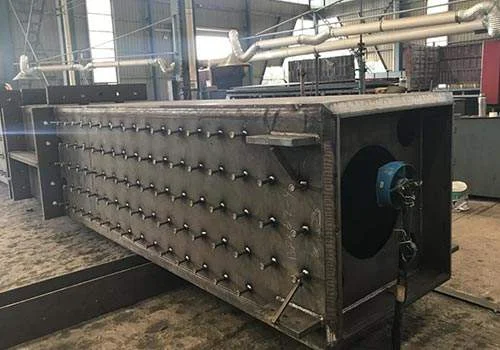
In the realm of construction, the integrity and longevity of a structure are paramount. One of the key elements that contribute to this is the choice of materials used, particularly for structural support. Box steel columns, with their unique design and material properties, have emerged as a popular choice for architects and engineers alike. These columns offer a blend of strength, durability, and aesthetic appeal, making them ideal for a variety of construction projects. In this comprehensive guide, we will delve into the world of box steel columns, exploring their properties, applications, and benefits.
Understanding Box Steel Columns
What Are Box Steel Columns?
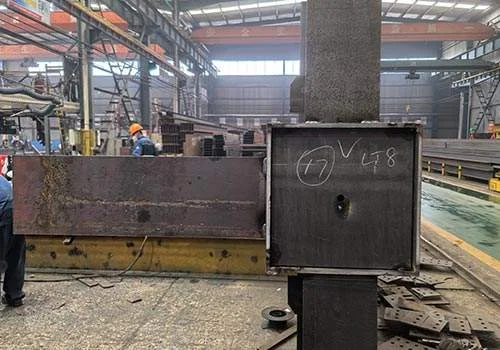
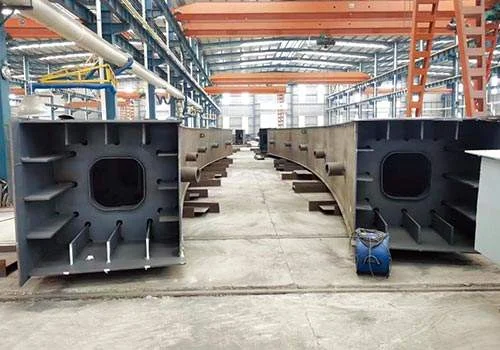
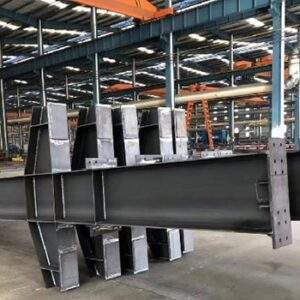
Box steel columns, also known as hollow steel columns, are structural components used in construction to provide vertical support. They are tubular in shape, with a square or rectangular cross-section, and are typically made from steel plates that are welded together.
Advantages of Box Steel Columns
Box steel columns offer several advantages over traditional solid steel columns, including:
- Lightweight: They are lighter than solid columns, which can reduce the overall weight of the structure.
- High Strength-to-Weight Ratio: They provide greater strength with less material, making them efficient for load-bearing applications.
- Flexibility in Design: The hollow design allows for greater flexibility in architectural and engineering design.
- Corrosion Resistance: They are resistant to corrosion, which is crucial for structures exposed to harsh environments.
Types of Box Steel Columns
Box steel columns can be classified into different types based on their cross-sectional shape and material properties:
- Square Box Steel Columns: With equal sides, these columns offer uniform strength in all directions.
- Rectangular Box Steel Columns: These columns have different length and width dimensions, allowing for customization based on specific project needs.
- Structural Steel Columns: Made from high-strength steel, these columns are designed to bear heavy loads.
Key Properties of Box Steel Columns
Structural Integrity
The structural integrity of box steel columns is a critical factor in construction. Their hollow design allows for a high load-bearing capacity with a minimal use of material.
Durability and Maintenance
Box steel columns are known for their durability and low maintenance requirements. The steel material is resistant to weathering and does not require frequent replacement or repairs.
Aesthetic Appeal
The clean lines and modern look of box steel columns make them a popular choice for both commercial and residential construction projects.
Sustainability
Steel is a recyclable material, and box steel columns contribute to sustainable construction practices by reducing waste and promoting the use of recycled materials.
Applications of Box Steel Columns


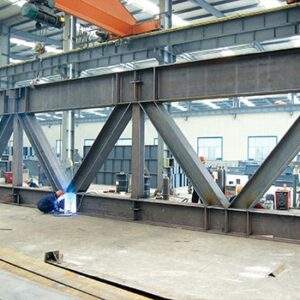
Commercial Construction
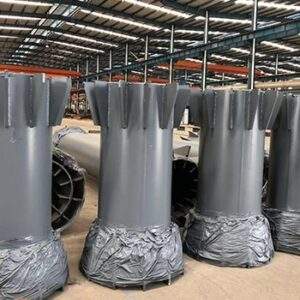
Box steel columns are commonly used in commercial buildings, such as offices and retail spaces, where their strength and durability are essential for supporting multi-story structures.
Industrial Buildings
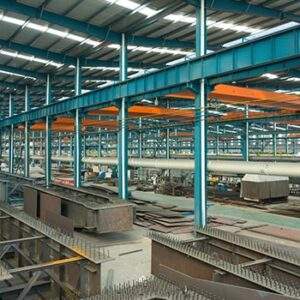
In industrial settings, box steel columns provide the necessary support for large spans and heavy machinery, making them ideal for warehouses and factories.
Residential Construction
For residential buildings, box steel columns offer a combination of strength and aesthetic appeal, suitable for both traditional and modern home designs.
Bridge Construction
In bridge construction, box steel columns are used for their high strength and resistance to corrosion, ensuring the stability and longevity of the structure.
Comparative Analysis of Box Steel Column Specifications
To help you make an informed decision, we have compiled a comparative analysis of various box steel column specifications. This table provides an overview of their features, advantages, and potential drawbacks.
| Specification | Description | Advantages | Potential Drawbacks |
|---|---|---|---|
| Cross-Sectional Shape | The shape of the column’s cross-section (square, rectangular) | Affects the distribution of load and aesthetic appeal | Different shapes may be more suitable for specific applications |
| Material Grade | The type of steel used, which determines strength and durability | Higher grades offer greater strength and resistance to corrosion | May increase cost and require more specialized handling |
| Wall Thickness | The thickness of the steel plate used to form the column | Thicker walls provide increased strength | Can add weight and cost to the column |
| Height and Length | The dimensions of the column | Must match the structural requirements of the project | Custom lengths may require additional fabrication |
| Finish | The surface treatment of the steel column | Can affect resistance to corrosion and appearance | Different finishes may be required based on the environment |
Benefits of Using Box Steel Columns
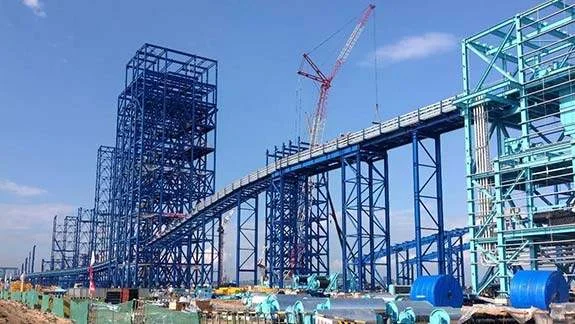
Enhanced Structural Stability
Box steel columns provide enhanced structural stability due to their high strength-to-weight ratio, which is crucial for the safety of any construction project.
Cost-Effectiveness
The lightweight nature of box steel columns can lead to cost savings in transportation and installation, as well as reduced material costs.
Aesthetic Flexibility
The design flexibility of box steel columns allows architects and engineers to create visually appealing structures that meet both functional and aesthetic requirements.
Environmentally Friendly
The recyclability of steel makes box steel columns an environmentally friendly choice, contributing to sustainable construction practices.
Long-Term Durability
The durability of box steel columns means they require less maintenance over time, reducing the total cost of ownership for any structure.
Conclusion
Box steel columns are a versatile and robust choice for construction projects, offering a combination of strength, durability, and aesthetic appeal. Their unique design and material properties make them suitable for a wide range of applications, from commercial and residential buildings to industrial facilities and bridges. By choosing box steel columns, architects and engineers can create structures that are not only safe and stable but also visually impressive and environmentally responsible.
FAQ
What are the main advantages of using box steel columns in construction?
The main advantages include their high strength-to-weight ratio, durability, aesthetic appeal, and recyclability, which contribute to sustainable construction practices.
How do box steel columns compare to solid steel columns?
Box steel columns are lighter and offer a higher strength-to-weight ratio than solid steel columns, making them more efficient for load-bearing applications.
What factors should be considered when selecting box steel columns for a project?
Key factors include the cross-sectional shape, material grade, wall thickness, height and length, and finish of the columns, all of which should match the specific requirements of the project.
Are box steel columns resistant to corrosion?
Yes, box steel columns are resistant to corrosion, which is particularly important for structures exposed to harsh environments.
How can box steel columns contribute to sustainable construction?
Steel is a recyclable material, and using box steel columns in construction can reduce waste and promote the use of recycled materials, contributing to sustainability.