Welcome to My Blog!
Before we dive into the content, I’d love for you to join me on my social media platforms where I share more insights, engage with the community, and post updates. Here’s how you can connect with me:
Facebook:https://www.facebook.com/profile.php?id=61565337355573
Now, let’s get started on our journey together. I hope you find the content here insightful, engaging, and valuable.
Table of Contents
Introduction
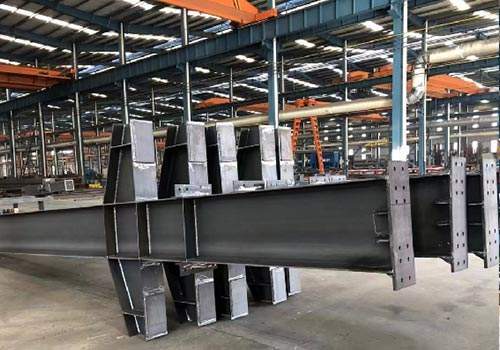
H channel steel, a structural steel product known for its distinctive H-shaped cross-section, plays a pivotal role in various construction and engineering projects. Its strength and versatility make it a preferred material for supporting heavy loads and ensuring structural integrity. Understanding the characteristics and applications of h channel steel is crucial for engineers, architects, and construction professionals. This blog will delve into the strength, applications, and advantages of h channel steel, providing valuable insights for those seeking reliable structural solutions. It aims to demystify its properties and showcase its essential role in building resilient structures. Furthermore, we will explore how proper selection and application of h channel steel can optimize project outcomes.
Understanding H Steel’s Structural Integrity
The unique H-shape of h channel steel provides exceptional strength and stability. The wide flanges and web contribute to its high load-bearing capacity and resistance to bending and torsion. This structural integrity allows h steel to withstand significant stresses, making it suitable for demanding applications in buildings, bridges, and industrial structures. The material composition of the h steel also plays a huge role in the structural integrity, those with high quality raw material will ensure the steel to have better strengths. The precise engineering of the H-shape ensures even distribution of stress, minimizing the risk of structural failure. Additionally, the inherent properties of steel, such as its elasticity and plasticity, contribute to its ability to absorb and dissipate energy.
Key Strength Properties of H Channel Steel
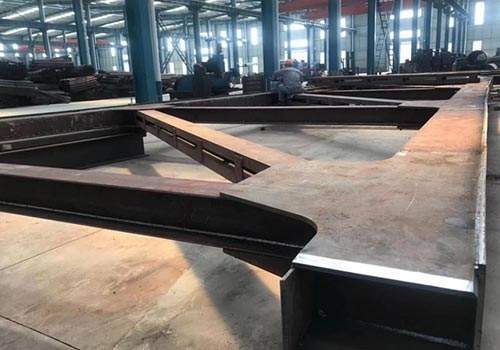
- High Yield Strength: H channel steel exhibits a high yield strength, meaning it can withstand significant stress before permanent deformation occurs. This property is crucial for applications where structural integrity under extreme loads is paramount.
- Excellent Tensile Strength: This property allows h steel to resist pulling forces, making it ideal for applications involving tension loads. In bridge construction, for example, tensile strength is vital for supporting the weight of vehicles and wind loads.
- Superior Compressive Strength: H steel can effectively withstand compressive forces, making it suitable for columns and other vertical supports. This attribute ensures that structures can bear the weight of upper floors and roofs without buckling.
- Bending Resistance: The H-shape provides exceptional resistance to bending, crucial for beams and horizontal structural members. This resistance is essential for maintaining the flatness and stability of floors and ceilings.
Applications of H Steel in Construction
H steel finds extensive applications in various construction projects:
- Building Construction: Used for beams, columns, and frames in buildings, providing structural support and stability. Its use in high-rise buildings is particularly significant, where it forms the backbone of the structure.
- Bridge Construction: Essential for bridge girders and supports, ensuring the bridge’s ability to handle heavy traffic loads. The durability of h steel is critical in withstanding the dynamic loads and environmental stresses experienced by bridges.
- Industrial Structures: Employed in factories, warehouses, and other industrial buildings for their robust structural support. In industrial settings, h steel supports heavy machinery and equipment, ensuring operational safety.
- Infrastructure Projects: Used in the construction of tunnels, pipelines, and other infrastructure projects. Its strength and durability make it ideal for underground and submerged applications, where it must withstand significant pressure.
Advantages of Using H Channel Steel
- High Strength-to-Weight Ratio: H channel steel offers a high strength-to-weight ratio, providing excellent structural support without excessive weight. This efficiency reduces the overall load on the foundation and simplifies transportation and installation.
- Versatility: The H-shape allows for various connection methods, making h steel adaptable to diverse structural designs. This flexibility enables engineers to create complex and innovative structures.
- Durability: Steel is a durable material, and h steel can withstand harsh environmental conditions, ensuring long-term structural integrity. This longevity minimizes the need for frequent replacements and maintenance.
- Ease of Fabrication: H steel can be easily cut, welded, and fabricated to meet specific project requirements. This adaptability streamlines the construction process and reduces labor costs.
Factors Affecting H Channel Steel‘s Strength
Several factors influence the strength of h steel:
- Material Grade: Different grades of steel offer varying strength properties. Higher-grade steels provide greater yield and tensile strengths, suitable for heavy-duty applications.
- Dimensions: The dimensions of the h steel, including flange width, web height, and thickness, significantly impact its strength. Larger dimensions generally result in higher load-bearing capacity.
- Manufacturing Process: The manufacturing process, including rolling and heat treatment, affects the steel’s microstructure and strength. Controlled rolling and heat treatment processes enhance the steel’s mechanical properties.
- Environmental Conditions: Exposure to corrosive environments can weaken h steel over time. Proper protective measures, such as coatings, are essential in aggressive environments.
H Channel Steel Strength Specifications
Here’s a table summarizing typical strength specifications for h channel steel:
| Property | Typical Value | Unit |
|---|---|---|
| Yield Strength | 250-355 | MPa |
| Tensile Strength | 400-550 | MPa |
| Modulus of Elasticity | 200,000 | MPa |
| density | 7850 | kg/m³ |
H Channel Steel and Project Cost-Effectiveness
Using h channel steel can contribute to project cost-effectiveness:
- Reduced Material Usage: The high strength-to-weight ratio minimizes the amount of steel required, reducing material costs. This efficiency translates to significant savings, especially in large-scale projects.
- Faster Construction: The ease of fabrication and installation of h steel accelerates construction timelines, reducing labor costs. Prefabricated components can be assembled quickly on-site, saving valuable time.
- Long-Term Durability: The durability of h steel minimizes maintenance and replacement costs over the structure’s lifespan. This longevity ensures a lower total cost of ownership for the structure.
Maintaining and Protecting H Channel Steel
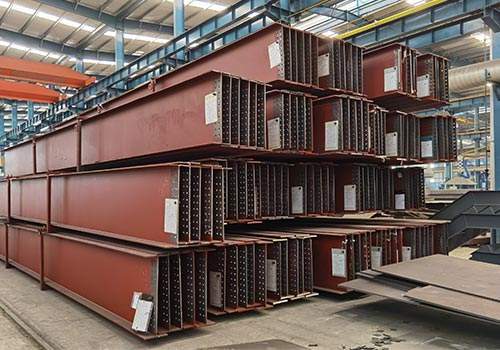
Proper maintenance and protection are essential to ensure the longevity and strength of h steel:
- Corrosion Protection: Applying protective coatings or using corrosion-resistant steel grades can prevent rust and corrosion. Regular inspections and maintenance of these coatings are crucial.
- Regular Inspections: Conducting regular inspections can identify and address potential issues before they compromise structural integrity. This proactive approach prevents costly repairs and ensures safety.
- Proper Welding and Fabrication: Ensuring high-quality welding and fabrication techniques is crucial for maintaining the strength of h channel steel connections. Poor welding can create weak points and lead to structural failure.
Conclusion
H channel steel’s exceptional strength, versatility, and durability make it an indispensable material in modern construction and engineering. Its ability to withstand heavy loads and diverse environmental conditions ensures structural integrity and longevity. By understanding the properties and applications of h channel steel, professionals can make informed decisions to optimize project outcomes and achieve cost-effectiveness. For all your h channel steel needs, contact us today, and let us help you boost your projects. Our team of experts is ready to assist you in selecting the right h channel steel for your specific requirements.
FAQ
What is h channel steel used for?
H channel steel is used for beams, columns, frames, and other structural components in buildings, bridges, and industrial structures. It provides essential support and stability in a variety of construction applications.
What are the advantages of using h steel?
Advantages include high strength-to-weight ratio, versatility, durability, and ease of fabrication. These properties make it a cost-effective and reliable material for construction.
How do I protect h channel steel from corrosion?
Applying protective coatings or using corrosion-resistant steel grades can prevent corrosion. Regular maintenance and inspections are also essential for long-term protection.
What factors affect the strength of h steel?
Material grade, dimensions, manufacturing process, and environmental conditions all affect the strength of h steel. Selecting the right grade and ensuring proper fabrication are crucial.