Welcome to My Blog!
Before we dive into the content, I’d love for you to join me on my social media platforms where I share more insights, engage with the community, and post updates. Here’s how you can connect with me:
Facebook:https://www.facebook.com/profile.php?id=61565337355573
Now, let’s get started on our journey together. I hope you find the content here insightful, engaging, and valuable.
Table of Contents
Introduction

Welcome to our comprehensive guide on steel frame components. In the realm of construction and manufacturing, the strength and durability of steel frame components are paramount. Whether you’re constructing a residential building, an industrial warehouse, or a custom fabrication project, understanding the intricacies of steel frame components is essential. This guide aims to provide you with in-depth knowledge and practical insights to optimize your projects. We will delve into various aspects, from the fundamental types of steel frame components to their applications, advantages, and best practices for selection and installation. This guide is tailored to provide useful information relating to steel frame components.
Understanding the Fundamentals of Steel Frame Components
Steel frame components form the backbone of numerous structures, offering unparalleled strength and longevity. These components are manufactured from various grades of steel, each with unique properties suited for specific applications. Understanding the different types of steel used, such as mild steel, high-strength low-alloy steel, and stainless steel, is crucial for selecting the right materials for your project. The proper selection of steel frame component is critical for building projects.
Key Types of Steel Frame Components and Their Applications

Steel frame components encompass a wide array of products, each designed for specific structural functions. Here are some of the key types:
- Beams: Horizontal structural members that support loads. I-beams, H-beams, and channel beams are common types, used in floor systems, roof supports, and bridge construction.
- Columns: Vertical structural members that transfer loads from the roof and floors to the foundation. These are crucial for the stability of multi-story buildings and industrial structures.
- Joists: Horizontal structural members used to support floors and ceilings. They are often spaced closely together to distribute loads evenly.
- Struts: Compression members used to resist axial loads. These are frequently found in truss systems and bracing.
- Girders: Large beams that support other beams or joists. They are essential in large-span structures like bridges and warehouses.
- Steel decking: Used for floor and roof systems, it provides a stable surface for concrete pouring or other finishing materials.
- Bracing: Diagonal members used to provide lateral stability to a structure, preventing sway and collapse.
Advantages of Using Steel Frame Component
The popularity of steel frame component stems from their numerous advantages:
- Strength and Durability: Steel’s high tensile and compressive strength enables it to withstand heavy loads and extreme conditions.
- Design Flexibility: Steel can be fabricated into various shapes and sizes, allowing for innovative and customized designs.
- Fast Construction: Prefabricated steel components can be quickly assembled on-site, reducing construction time and costs.
- Sustainability: Steel is recyclable, making it an environmentally friendly construction material.
- Cost-Effectiveness: Although the initial cost may be higher, the long-term benefits, such as reduced maintenance and increased lifespan, make steel a cost-effective choice.
Steel Frame Components and Structural Integrity
Structural integrity is a paramount concern in any construction project. Steel frame component play a pivotal role in ensuring the stability and safety of structures. Proper design, fabrication, and installation are essential to prevent structural failures. Engineers and architects must adhere to stringent building codes and standards to guarantee the integrity of steel frame structures.
Selection Considerations for Steel Frame Components
Choosing the right steel frame components requires careful consideration of several factors:
- Load Requirements: Determine the maximum loads the components will need to support.
- Environmental Conditions: Consider factors such as temperature, humidity, and exposure to corrosive substances.
- Design Specifications: Ensure the components meet the project’s design requirements.
- Budget Constraints: Balance performance requirements with cost considerations.
- Material Quality: Select components from reputable suppliers that adhere to quality standards.
Installation Best Practices for Steel Frame Component
Proper installation is crucial to maximize the performance and longevity of steel frame components. Here are some best practices:
- Accurate Measurements: Ensure precise measurements to avoid fitment issues.
- Proper Welding and Bolting: Use appropriate welding and bolting techniques to ensure strong connections.
- Corrosion Protection: Apply protective coatings to prevent rust and corrosion.
- Quality Control: Conduct thorough inspections to verify the installation’s accuracy and integrity.
- Safety Precautions: Adhere to safety guidelines to prevent accidents during installation.
Steel Frame Components: Data Table
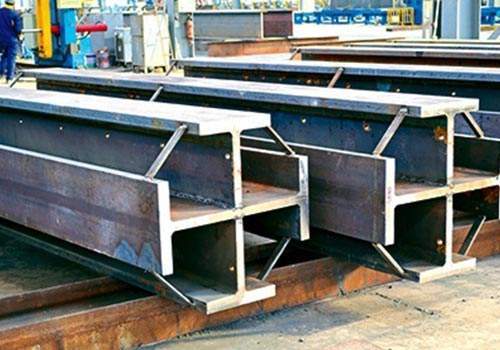
Here is a table detailing common steel frame component and their general specifications:
| Component | Common Materials | Typical Applications | Key Properties |
|---|---|---|---|
| I-Beams | Mild Steel, High-Strength Low-Alloy Steel | Floor supports, roof supports, bridge construction | High bending strength, excellent load-bearing capacity |
| Columns | Mild Steel, High-Strength Low-Alloy Steel | Multi-story buildings, industrial structures | High compressive strength, stability |
| Joists | Mild Steel | Floor and ceiling supports | Even load distribution, lightweight |
| Struts | Mild Steel, Stainless Steel | Truss systems, bracing | High axial load resistance |
| Girders | Mild Steel, High-Strength Low-Alloy Steel | Bridges, warehouses | Large span support, heavy load capacity |
| Steel decking | mild steel, galvanized steel | Floor and roof systems | stable working platform, strong, and relatively light. |
| Bracing | mild steel | buildings, and bridges | lateral stability. |
Conclusion
Steel frame components are indispensable in modern construction and manufacturing, offering unmatched strength, durability, and design flexibility. By understanding the various types of components, their applications, and best practices for selection and installation, you can optimize your projects and ensure structural integrity. We want to make sure that you have access to the highest quality steel frame components. If you have any questions, Please contact us today to learn more about how our products can help your next project.
FAQ
Q: What are the primary benefits of using steel frame components?
A: Steel frame components offer superior strength, durability, design flexibility, and sustainability.
Q: What are some essential installation best practices?
A: Ensure accurate measurements, proper welding and bolting, corrosion protection, and thorough quality control.
Q: How do I select the right steel frame components for my project?
A: Consider load requirements, environmental conditions, design specifications, budget constraints, and material quality.