Welcome to My Blog!
Before we dive into the content, I’d love for you to join me on my social media platforms where I share more insights, engage with the community, and post updates. Here’s how you can connect with me:
Facebook:https://www.facebook.com/profile.php?id=61565337355573
Now, let’s get started on our journey together. I hope you find the content here insightful, engaging, and valuable.
Table of Contents
Introduction

In the world of industrial engineering, precision and reliability are paramount. Components must withstand extreme conditions, from high pressure to intense vibrations, without compromising performance. Bolted Balls, a specialized type of mechanical fastener, have emerged as a critical solution for securing industrial systems. These spherical connectors, designed for robust attachment, offer unmatched durability and adaptability across various sectors, including manufacturing, aerospace, and heavy machinery. This blog explores the significance of Bolted Balls, their applications, benefits, and why they are a go-to choice for industries seeking secure and efficient fastening solutions.
What Are Bolted Balls?
Bolted Balls are spherical fasteners engineered to provide a secure and stable connection in industrial assemblies. Unlike traditional bolts or screws, these components feature a unique ball-shaped design that allows for enhanced load distribution and flexibility in alignment. Typically made from high-strength materials like stainless steel or titanium, Bolted Ball are used in applications where standard fasteners may fail due to stress concentration or misalignment. Their design ensures a tight fit, reducing the risk of loosening over time, even under dynamic loads.
The Engineering Behind Bolted Ball
The effectiveness of Bolted Balls lies in their innovative design. The spherical shape distributes forces evenly across the surface, minimizing stress points that could lead to material fatigue. This makes them ideal for applications involving rotational or vibrational forces. Additionally, their ability to pivot slightly within their housing allows for minor misalignments without compromising the integrity of the connection. This engineering marvel ensures that Bolted Ball maintain a secure fit in challenging environments.
Key Benefits of Using Bolted Balls
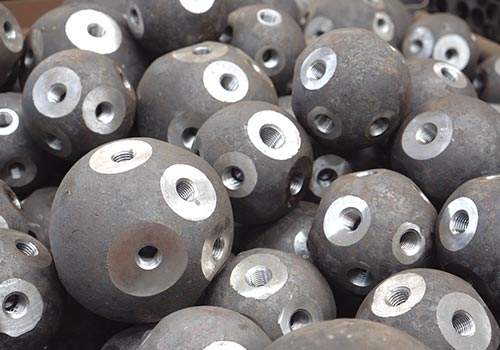
Bolted Balls offer several advantages that make them stand out in industrial fastening. Their durability ensures long-term performance, reducing maintenance costs. The spherical design enhances load-bearing capacity, making them suitable for heavy-duty applications. Furthermore, their versatility allows them to be used in various configurations, from simple machinery to complex aerospace systems. Industries benefit from the reduced risk of mechanical failure, improved safety, and enhanced operational efficiency when using these fasteners.
Durability and Longevity
One of the primary reasons industries opt for Bolted Ball is their exceptional durability. Crafted from corrosion-resistant materials, these fasteners withstand harsh environmental conditions, including extreme temperatures and chemical exposure. This longevity translates to fewer replacements and lower downtime, making them a cost-effective choice for businesses aiming to optimize their operations.
Versatility Across Industries
From automotive assembly lines to offshore drilling rigs, Bolted Ball find applications in diverse sectors. Their ability to adapt to different configurations and tolerate slight misalignments makes them a universal solution for industries requiring precision and reliability. Whether in static or dynamic systems, these fasteners deliver consistent performance.
Applications of Bolted Balls in Modern Industry
Bolted Balls are employed in a wide range of industrial applications. In aerospace, they secure critical components in aircraft engines, where precision and reliability are non-negotiable. In manufacturing, they are used in robotic arms and conveyor systems, ensuring smooth operation under constant motion. Heavy machinery, such as construction equipment, relies on these fasteners to maintain structural integrity under high loads. Their adaptability makes them a staple in industries where failure is not an option.
Aerospace and Defense
In the aerospace sector, Bolted Ball are used to secure components in engines, landing gear, and structural frameworks. Their ability to handle extreme stress and vibrations ensures that aircraft remain safe and operational during flight. Defense applications also benefit from their reliability, particularly in military vehicles and equipment exposed to rugged conditions.
Manufacturing and Automation
In automated manufacturing, Bolted Ball play a crucial role in maintaining the precision of robotic systems. Their secure fit prevents loosening during repetitive movements, ensuring consistent performance. Conveyor belts, assembly lines, and other automated systems rely on these fasteners to minimize downtime and maintain productivity.
Technical Specifications of Bolted Ball
To understand the capabilities of Bolted Ball, it’s essential to consider their technical specifications. The following table provides an overview of common specifications for these fasteners, highlighting their material options, sizes, and load capacities.
| Specification | Details |
|---|---|
| Material | Stainless Steel, Titanium, Alloy Steel |
| Diameter Range | 5mm to 50mm |
| Load Capacity | Up to 500 kN (varies by material and size) |
| Corrosion Resistance | High (suitable for marine and chemical environments) |
| Temperature Range | -50°C to 300°C |
| Thread Type | Metric or Imperial, customizable |
| Surface Treatment | Zinc plating, passivation, or custom coatings |
This table illustrates the versatility of Bolted Balls, making they suitable for a wide range of industrial needs. Their customizable options ensure compatibility with specific project requirements.
Installation and Maintenance of Bolted Balls
Proper installation is critical to maximizing the performance of Bolted Ball. The process involves aligning the fastener within its housing and applying the correct torque to ensure a secure fit. Regular maintenance, including inspections for wear and corrosion, extends the lifespan of these components. Lubrication may be required in high-friction environments to prevent galling and ensure smooth operation.
Best Practices for Installation
To achieve optimal performance, installers must ensure precise alignment during the setup of Bolted Balls. Using torque wrenches calibrated to the manufacturer’s specifications prevents over-tightening, which could damage the fastener or the assembly. Additionally, pre-installation checks for surface cleanliness and material compatibility are essential to avoid issues like corrosion or thread damage.
Maintenance Tips for Longevity
Regular maintenance schedules should include visual inspections and torque checks to ensure Bolted Ball remain secure. In environments with high corrosion risks, such as marine applications, applying protective coatings or using corrosion-resistant materials is advisable. Periodic replacement of worn components prevents unexpected failures and maintains system reliability.
Comparing Bolted Balls to Traditional Fasteners
While traditional bolts and screws have their place, Bolted Balls offer distinct advantages in specific scenarios. Unlike standard fasteners, their spherical design reduces stress concentration, making them ideal for dynamic loads. They also provide greater flexibility in alignment, reducing the risk of installation errors. However, traditional fasteners may be more cost-effective for low-stress applications, making the choice dependent on the specific use case.
When to Choose Bolted Balls
Bolted Balls are the preferred choice when applications involve high stress, vibration, or misalignment risks. For example, in heavy machinery or aerospace, where failure could have catastrophic consequences, these fasteners provide the necessary reliability. In contrast, simpler applications with minimal dynamic forces may not require their advanced capabilities.
Innovations in Bolted Balls Technology
Recent advancements in materials science and manufacturing have enhanced the performance of Bolted Balls. New alloys with higher strength-to-weight ratios have improved their load-bearing capacity. Additionally, advancements in surface treatments, such as nano-coatings, have increased their resistance to wear and corrosion. These innovations ensure that Bolted Balls remain at the forefront of industrial fastening solutions.
Future Trends in Fastener Design
The future of Bolted Balls lies in smart technology integration. Emerging designs incorporate sensors to monitor stress and wear in real-time, allowing for predictive maintenance. Additionally, sustainable manufacturing processes are being explored to reduce the environmental impact of producing these fasteners, aligning with global sustainability goals.
Environmental and Safety Considerations
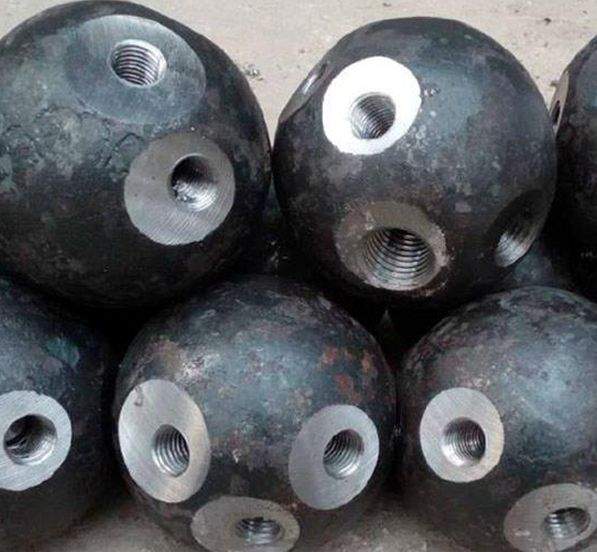
Bolted Balls contribute to safer industrial environments by reducing the risk of mechanical failure. Their robust design minimizes the chance of loosening, which could lead to equipment malfunctions or accidents. Additionally, using eco-friendly materials and coatings supports environmentally responsible practices, aligning with modern industry standards for sustainability.
Safety Benefits in High-Risk Environments
In industries like oil and gas or construction, where equipment operates under extreme conditions, Bolted Balls provide a reliable solution to prevent catastrophic failures. Their ability to maintain a secure fit under high loads and vibrations enhances worker safety and equipment reliability.
Conclusion
Bolted Balls represent a significant advancement in industrial fastening, offering unmatched durability, versatility, and reliability. Their unique design and robust materials make them a preferred choice for industries requiring secure and efficient connections. As technology continues to evolve, these fasteners are poised to play an even larger role in shaping the future of industrial engineering. For businesses looking to enhance their operations with cutting-edge fastening solutions, contact us today to explore how Bolted Balls can meet your needs.
FAQ
What makes Bolted Balls different from regular bolts?
Bolted Balls feature a spherical design that distributes loads evenly, reducing stress concentration and allowing for minor misalignments, unlike traditional bolts.
Are Bolted Balls suitable for high-temperature environments?
Yes, they are designed to operate in temperatures ranging from -50°C to 300°C, depending on the material used.
Can Bolted Balls be customized for specific applications?
Absolutely. They are available in various materials, sizes, and thread types to meet specific project requirements.