Table of Contents
Introduction

The construction landscape in Malaysia has undergone significant transformation in recent years, with steel structures emerging as a preferred choice for industrial, commercial, and infrastructure projects. As the country continues to develop its industrial zones and expand urban areas, the demand for reliable steel structure contractors and building steel structure solutions has grown substantially. This comprehensive guide explores everything you need to know about selecting the right steel structure contractor, understanding cost considerations, and making informed decisions for your next project.
Why Steel Structures Are Gaining Popularity in Malaysia
Steel structures have become increasingly popular across Malaysia for several compelling reasons. The country’s tropical climate, with high humidity and occasional heavy rainfall, makes corrosion-resistant materials essential. Modern steel structures, when properly treated and coated, offer exceptional durability in these conditions. Additionally, Malaysia’s rapid industrialization, particularly in manufacturing hubs like Johor, Selangor, and Penang, has created strong demand for buildings that can accommodate heavy machinery and large-scale operations.
The growing focus on sustainable construction practices has also contributed to steel’s rising popularity. Steel is one of the most recyclable construction materials available, with recycling rates exceeding 90% globally. This aligns perfectly with Malaysia’s environmental initiatives and green building standards. The ability to prefabricate steel components off-site also addresses Malaysia’s need for faster project delivery, reducing construction timelines by 30-50% compared to traditional methods.
Key Advantages of Building Steel Structures Over Traditional Methods
Durability and Strength
Steel structures offer superior strength-to-weight ratios compared to concrete or wood. A properly designed and maintained steel building can last 50 years or more with minimal degradation. Steel’s natural resistance to pests, rot, and mold eliminates many common maintenance issues that plague traditional building materials. In Malaysia’s coastal areas, where salt air accelerates corrosion of many materials, modern steel structures with protective coatings demonstrate exceptional longevity.
Cost and Time Efficiency
The economic advantages of steel structures extend well beyond initial material costs. Factory-based prefabrication significantly reduces construction timelines—projects that might take 12-18 months with concrete can often be completed in 4-6 months using steel. This acceleration directly impacts project financing costs and enables earlier revenue generation. Labor costs are also reduced due to faster assembly times and the need for fewer on-site workers.
Flexibility for Industrial and Commercial Use
Steel structures provide unparalleled design flexibility, particularly valuable for industrial applications. Large clear-span designs—up to 80 meters or more—create expansive interior spaces without obstructive columns. This is crucial for manufacturing facilities, warehouses, and logistics centers where efficient workflow and equipment placement are priorities. Future modifications and expansions are also simpler with steel, allowing businesses to adapt their facilities as operational needs evolve.
Types of Building Steel Structures Available

Prefabricated Steel Buildings
Prefabricated steel buildings (PEBs) represent one of the fastest-growing segments in Malaysia’s construction market. These structures are manufactured in controlled factory environments, with components precision-engineered to exact specifications before delivery to the construction site. The benefits are substantial: reduced waste, consistent quality, minimal weather delays, and significantly faster assembly times. Prefabricated buildings are particularly popular for warehouses, factories, and industrial facilities where speed and cost-efficiency are priorities.
Steel Frame Structures for Industrial Facilities
Industrial facilities in Malaysia—from electronics manufacturing in Penang to petrochemical plants in Pahang—require robust steel frame structures designed to support heavy equipment and withstand demanding operational conditions. These structures often incorporate specialized features like overhead crane systems, mezzanine floors, and reinforced flooring to accommodate machinery loads. The design flexibility of steel frames allows engineers to create custom solutions for unique industrial processes while maintaining structural integrity.
Modular Steel Structures for Commercial Projects
Commercial developments across Malaysia, from shopping centers in Kuala Lumpur to office complexes in Iskandar Malaysia, increasingly utilize modular steel construction. These systems combine the benefits of prefabrication with sophisticated architectural finishes. Modular steel enables faster construction timelines while delivering the aesthetics and functionality expected in modern commercial buildings. The ability to integrate glass facades, curtain walls, and other architectural elements makes steel an excellent choice for mixed-use developments.
Custom Steel Structures for Specialized Applications
Many projects require bespoke steel solutions tailored to specific requirements. Specialized applications might include aircraft hangars, sports facilities, data centers, or unique architectural features. Custom steel structures demand contractors with advanced engineering capabilities and experience with complex projects. These structures often push the boundaries of what’s possible with steel, requiring sophisticated design and fabrication techniques to achieve both functional and aesthetic goals.
How to Choose the Right Steel Structure Contractor in Malaysia
Factors to Consider When Selecting a Contractor
Selecting the right steel structure contractor is one of the most critical decisions you’ll make for your project. The contractor’s capabilities directly impact project success, cost control, and long-term building performance. Several key factors deserve careful consideration:
Experience and Track Record: Look for contractors with demonstrated experience in projects similar to yours. Review their portfolio for completed projects of comparable scale, complexity, and industry focus. Contractors with established track records in Malaysia’s market understand local conditions, building codes, and regulatory requirements—knowledge that can prevent costly delays and complications.
Project Portfolio: Examine the contractor’s completed projects for quality of workmanship and attention to detail. Look for diversity in their experience, as contractors who have successfully completed various types of projects typically demonstrate greater adaptability and problem-solving capabilities. Specific experience with your industry—whether food processing, automotive manufacturing, or logistics—can be particularly valuable.
Compliance with Local Standards: Malaysia has specific building codes and standards that steel structures must meet. Ensure your contractor holds necessary certifications and demonstrates familiarity with requirements from authorities like CIDB (Construction Industry Development Board). Proper licensing, insurance coverage, and safety certifications indicate professionalism and reduce project risk.
Questions to Ask Before Hiring a Contractor
Before making your final decision, ask potential contractors these essential questions:
- What similar projects have you completed in Malaysia, and can you provide references?
- What is your typical timeline for a project of this scope and complexity?
- What quality control processes do you implement during fabrication and installation?
- How do you handle changes or unexpected challenges during construction?
- What warranty coverage do you offer on materials and workmanship?
- Can you provide detailed cost breakdowns and transparent pricing?
Cost Considerations for Building Steel Structures
Typical Pricing of Steel Buildings in Malaysia
Understanding steel structure pricing in Malaysia requires consideration of multiple factors, as costs vary significantly based on project specifics. The following table provides general guidelines for different building types:
| Building Type | Price Range (USD/sq ft) | Price Range (USD/sq m) | Key Influencing Factors |
|---|---|---|---|
| Basic Warehouse | $15 – $25 | $160 – $270 | Simple design, standard finishes, minimal customization |
| Industrial Factory | $20 – $40 | $215 – $430 | Heavy-duty floors, crane systems, specialized requirements |
| Commercial Building | $35 – $60 | $375 – $645 | Architectural finishes, insulation, higher-quality materials |
| Custom/Complex Project | $50 – $100+ | $540 – $1,075+ | Unique design challenges, premium materials, advanced engineering |
These ranges represent typical costs for the structural steel building shell, including primary and secondary framing, roof and wall panels, and basic accessories. Additional costs for foundations, interior finishing, mechanical systems, and site preparation should be factored into total project budgets.
Factors Affecting Costs
Several key factors influence the final cost of steel structure projects:
Materials and Quality: Steel grade, coating systems, and material specifications significantly impact costs. Higher-quality steel with advanced corrosion protection—such as galvanization or premium coating systems—costs more initially but offers superior longevity and reduced maintenance requirements. The choice of roofing and walling materials, from basic metal panels to insulated systems with specialized coatings, also affects overall costs.
Design Complexity: Simple, rectangular buildings with standard dimensions represent the most economical option. Complex designs with multiple spans, varying roof lines, extensive customization, or unique architectural features increase costs substantially. Custom engineering requirements, such as large clear spans or heavy load-bearing capacity, demand more material and sophisticated fabrication techniques, directly impacting budgets.
Labor and Installation Fees: Construction costs in Malaysia vary by region and project complexity. Skilled labor availability, site accessibility, and project duration all influence labor costs. While steel structures typically require less on-site labor than traditional methods, specialized expertise for steel erection commands appropriate compensation. Installation efficiency—faster completion directly reduces project overhead and financing costs.
How Prefabricated Steel Structures Can Reduce Overall Expenses
Prefabricated steel structures offer several cost-saving advantages beyond just lower material prices:
Reduced Construction Timeline: Factory fabrication and site preparation can proceed simultaneously, shortening overall project duration by 30-50%. This acceleration reduces project financing costs, overhead expenses, and enables earlier occupancy or operational startup—directly improving return on investment.
Material Efficiency: Precision manufacturing optimizes material usage, minimizing waste. Computer-controlled cutting and fabrication ensure accurate components, reducing scrap and unnecessary material costs. This efficiency extends to transportation logistics, as optimized packaging reduces shipping expenses.
Lower Lifetime Costs: While prefabricated structures may have similar initial costs to other steel building approaches, their factory quality control often translates to better long-term performance. Reduced maintenance requirements, fewer warranty issues, and predictable performance characteristics contribute to lower total cost of ownership over the building’s lifespan.
Design and Engineering Aspects of Steel Structures
Structural Design Principles
Effective steel structure design balances multiple considerations: structural integrity, cost efficiency, constructability, and functional requirements. Modern engineering approaches leverage advanced computational tools and Building Information Modeling (BIM) to optimize designs before fabrication begins. Key principles include:
- Load Analysis: Comprehensive analysis of dead loads, live loads, wind loads, seismic loads, and operational requirements
- Material Optimization: Selection of appropriate steel grades and sections based on structural demands and environmental conditions
- Connection Design: Proper detailing of connections—bolted, welded, or hybrid—to ensure structural continuity and load transfer
- Deflection Control: Management of structural deflection to prevent damage to cladding, equipment, or finishes
Load-Bearing and Safety Considerations
Steel structures in Malaysia must be designed to withstand local environmental conditions, including tropical rainfall patterns, wind loads, and seismic considerations where applicable. Proper load-bearing capacity ensures the structure can support not only its own weight but also operational loads from equipment, stored materials, and personnel. Safety considerations extend beyond basic structural capacity to include:
- Fire Protection: Implementation of appropriate fireproofing measures based on building occupancy and local code requirements
- Corrosion Protection: Selection of coating systems appropriate for environmental conditions and maintenance access
- Accessibility: Incorporation of safe access for maintenance, inspection, and emergency egress
- Redundancy: Design of structural systems with appropriate redundancy to prevent progressive failure
Integrating Aesthetic and Functional Design
Modern steel structures successfully marry aesthetic appeal with functional requirements. Exposed steel elements can become architectural features, particularly in commercial and institutional buildings. The flexibility of steel enables creative design solutions—curved roofs, cantilevered spaces, and complex geometries that would be difficult or impossible with traditional materials. Successful integration requires collaboration between architects, structural engineers, and steel fabricators from project inception.
Construction Process of Building Steel Structures
Step-by-Step Installation Guide
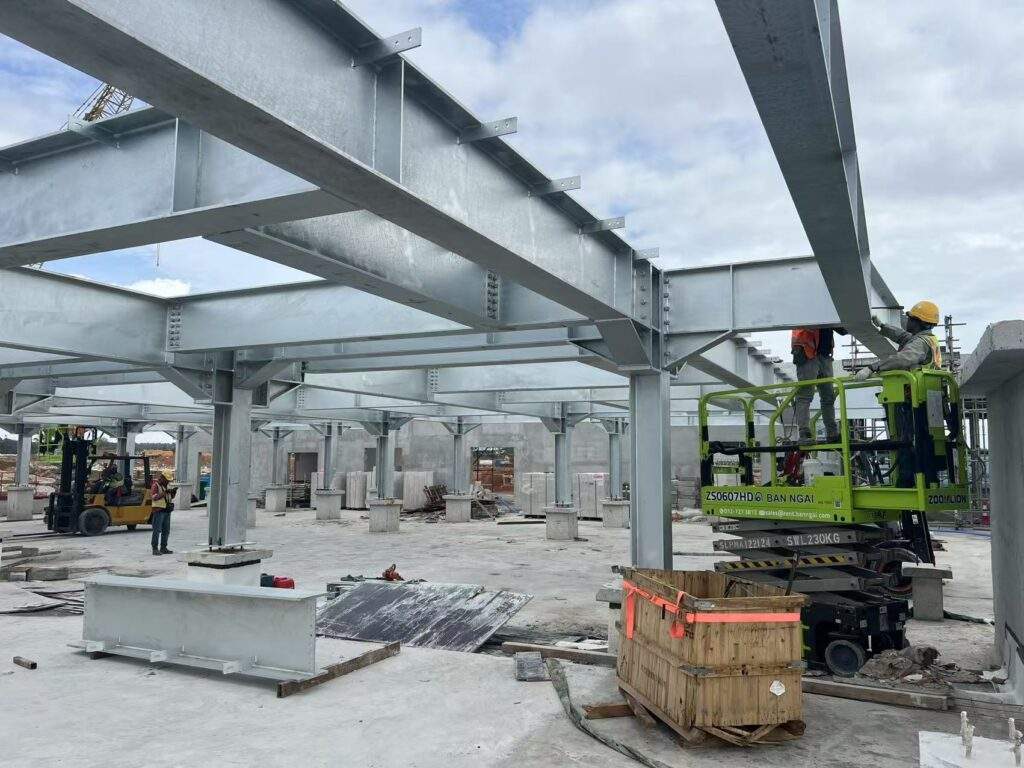
Steel structure construction typically follows a systematic process designed to ensure safety, quality, and efficiency:
- Site Preparation: Clearing, grading, and foundation construction according to engineered plans
- Foundation Inspection: Verification that anchor bolts and foundation details meet specifications
- Material Delivery: Receipt and inspection of prefabricated steel components
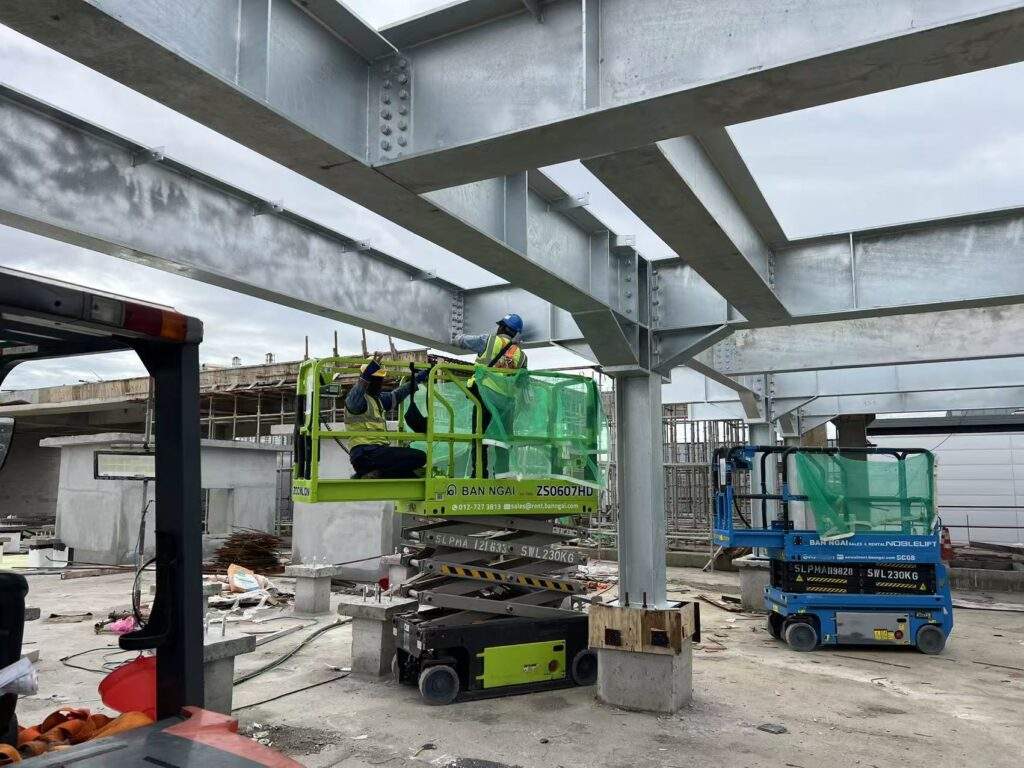
- Erection: Systematic assembly of columns, beams, and framing systems
- Plumb and Alignment: Adjustment and temporary bracing to ensure proper positioning
- Final Connections: Installation of permanent connections and removal of temporary bracing
- Secondary Framing: Installation of purlins, girts, and bracing systems
- Enclosure: Installation of roofing, walling, and accessory systems
- Finishing: Application of sealants, flashings, and final details
Timeline for Industrial and Commercial Projects
Project timelines vary significantly based on size, complexity, and site conditions. However, typical durations for steel structure projects include:
| Project Type | Typical Duration | Key Influencing Factors |
|---|---|---|
| Small Warehouse (1,000-5,000 sq ft) | 4-8 weeks | Site access, foundation complexity |
| Medium Industrial Facility (10,000-30,000 sq ft) | 8-16 weeks | Design complexity, equipment integration |
| Large Distribution Center (50,000+ sq ft) | 16-32 weeks | Phased construction, special requirements |
| Multi-Story Commercial | 20-40+ weeks | Coordination with other trades, architectural complexity |
These timelines represent typical durations for steel structure erection only—overall project timelines including design, permitting, and site preparation will be longer.
Quality Assurance During Construction
Effective quality assurance throughout construction prevents costly rework and ensures long-term performance. Key quality control measures include:
- Material Inspection: Verification that delivered materials meet specifications
- Fabrication Inspection: Quality checks during manufacturing for welds, coatings, and dimensions
- Erection Monitoring: Verification of proper installation procedures and tolerances
- Connection Verification: Inspection of bolted and welded connections for proper installation
- Testing: Non-destructive testing of critical welds and connections as required
- Documentation: Comprehensive records of inspections, testing, and approvals
Maintenance and Longevity of Steel Structures
Routine Inspection and Maintenance Tips
Regular inspections and preventive maintenance are essential for maximizing steel structure lifespan:
Annual Inspections: Comprehensive inspections should be conducted at least annually, with additional inspections after severe weather events. Inspectors should look for evidence of corrosion, loose fasteners, damaged coatings, and structural movement. Detailed records of inspections help track condition trends and plan maintenance activities.
Fastener Maintenance: Periodic checking and tightening of bolts and other fasteners ensures structural connections remain secure. Fasteners in corrosive environments may require replacement more frequently than those in protected conditions.
Coating Maintenance: Protective coatings should be inspected for damage, wear, or deterioration. Small areas of coating damage can be touched up promptly to prevent corrosion spread. More extensive coating failure may require professional recoating.
Corrosion Protection and Anti-Rust Techniques
Malaysia’s humid, tropical environment creates significant corrosion challenges for steel structures. Effective corrosion protection strategies include:
Coating Systems: Multi-layer coating systems—typically including zinc-rich primers, intermediate coats, and topcoats—provide robust protection when properly applied and maintained. Advanced coating technologies offer extended service intervals between maintenance requirements.
Galvanization: Hot-dip galvanizing provides excellent corrosion protection, particularly for exposed or difficult-to-maintain elements. While more expensive initially, galvanization often proves economical over the long term due to reduced maintenance requirements.
Design for Maintenance: Designing structures to facilitate inspection and maintenance—providing safe access, designing for drainage, avoiding pockets where moisture can accumulate—significantly improves long-term durability and reduces maintenance costs.
Extending the Life of Your Steel Structure Building
Several practices can extend steel structure lifespan beyond typical expectations:
Proper Drainage: Ensure water is directed away from the structure effectively. Clean gutters and maintain roof drainage systems to prevent water accumulation that accelerates corrosion.
Vegetation Management: Keep vegetation trimmed away from the structure to prevent moisture retention and physical damage. Plants in contact with steel elements can create corrosive conditions and hide deterioration.
Weight Load Management: Avoid exceeding design loads, particularly for roofs and elevated surfaces. Snow, water accumulation, or improperly distributed storage can create loading conditions beyond design parameters.
Timely Repairs: Address issues promptly when identified. Small coating defects, minor corrosion spots, or loose connections are easily repaired when first detected—allowing them to progress can lead to much more extensive problems.
Case Studies and Successful Projects in Malaysia
Industrial Warehouses Built with Steel Structures
Malaysia’s booming logistics sector has driven significant warehouse construction utilizing steel structures. A notable example includes a 1500-square meter prefabricated warehouse for a highway project, delivered and erected within tight timelines to support critical infrastructure development. This project demonstrated steel’s advantages for rapid deployment—particularly valuable when time-sensitive operations depend on facility completion.
Another example involves large-scale logistics centers supporting Malaysia’s e-commerce growth. These facilities require large clear-span designs, heavy-duty flooring systems, and integration of material handling equipment. Steel structures provide the flexibility to accommodate these requirements while maintaining cost efficiency and construction speed.
Commercial Buildings and Offices Using Steel Frames
Commercial developments across Malaysia increasingly utilize steel frames for both structural and architectural benefits. Office complexes in Kuala Lumpur’s business district, shopping centers in Penang, and mixed-use developments in Johor demonstrate steel’s versatility for commercial applications. These projects often combine exposed steel elements with glass facades, creating distinctive architectural statements while benefiting from steel’s structural advantages.
One notable commercial project incorporated extensive sustainable design features—integrated photovoltaic systems, natural ventilation strategies, and energy-efficient building envelope—all facilitated by steel’s design flexibility and structural efficiency. Such projects showcase how steel structures support both aesthetic goals and sustainability objectives.
Lessons Learned from Malaysian Projects
Experience from Malaysian steel structure projects reveals several important lessons:
Climate Adaptation: Successful projects properly account for Malaysia’s tropical climate, including appropriate coating systems, design for drainage, and considerations for wind loading. Projects that adequately address environmental factors demonstrate superior long-term performance.
Local Expertise: Projects engaging contractors with specific Malaysian experience navigate local requirements more effectively, avoiding delays and complications related to permitting, inspections, and regulatory compliance.
Value Engineering: Early engagement of steel specialists enables value engineering opportunities that optimize designs for cost efficiency while maintaining performance requirements. Projects incorporating design-build approaches often achieve better overall value.
Advantages of Working Directly with a Steel Structure Manufacturer
Cost Savings Compared to Intermediaries
Working directly with steel structure manufacturers eliminates intermediary markups and reduces overall project costs. Direct relationships enable:
- Volume Pricing: Manufacturers can offer better pricing based on direct material procurement without intermediate markups
- Design Efficiency: Early manufacturer involvement enables design optimization for fabrication efficiency, reducing both material and fabrication costs
- Reduced Coordination Costs: Direct communication between design, fabrication, and installation reduces coordination complexity and associated expenses
Customization and Design Flexibility
Direct manufacturer relationships provide greater customization flexibility and design responsiveness:
- Technical Collaboration: Direct engagement with manufacturer’s engineering team enables collaborative design solutions that balance requirements with fabrication practicality
- Rapid Prototyping: Manufacturers can quickly produce samples or mock-ups to verify design concepts before full-scale production
- Material Innovation: Manufacturers often have early access to new materials and technologies, offering solutions that might not be available through intermediaries
Faster Delivery and Project Turnaround
Direct manufacturer relationships typically accelerate project timelines:
- Production Scheduling: Direct coordination enables efficient production scheduling aligned with project requirements
- Reduced Procurement Time: Eliminating intermediaries reduces procurement timelines and complexity
- Integrated Delivery: Manufacturers can coordinate fabrication, finishing, and delivery as an integrated process, optimizing overall project timeline
Conclusion
Choosing the right steel structure contractor for your Malaysian project represents a decision with significant implications for project success, long-term building performance, and total cost of ownership. Steel structures offer compelling advantages—durability, construction speed, design flexibility, and sustainability—that make them ideal for Malaysia’s development needs.
Building steel structures in Malaysia requires careful consideration of local conditions, regulatory requirements, and project-specific requirements. By selecting experienced contractors with demonstrated local expertise, understanding cost factors, and implementing proper maintenance programs, project owners can maximize the value and longevity of their steel structure investments.
Whether planning an industrial facility, commercial development, or specialized project, consulting directly with steel structure manufacturers provides advantages in cost efficiency, customization flexibility, and project delivery speed. For projects demanding performance, reliability, and value, steel structures—properly designed, fabricated, and maintained—represent excellent investments for Malaysia’s continued development and growth.
FAQ
Q: What is the average cost of building steel structure in Malaysia?
A: Steel structure costs in Malaysia typically range from $160-270 per square meter for basic warehouses, $215-430 per square meter for industrial factories, and $375-645 per square meter for commercial buildings. The final price depends on building size, design complexity, materials, and customization requirements.
Q: How long does it take to construct a steel building?
A: Steel structure construction is 30-50% faster than traditional methods. A small warehouse (1,000-5,000 sq ft) typically takes 4-8 weeks to erect, medium industrial facilities (10,000-30,000 sq ft) take 8-16 weeks, while large distribution centers (50,000+ sq ft) require 16-32 weeks. These timelines exclude design and permitting phases.
Q: What are the main advantages of steel structures over concrete buildings?
A: Steel structures offer superior strength-to-weight ratio, faster construction timelines, design flexibility with clear spans up to 80 meters, 90%+ material recyclability, lower maintenance costs, and better resistance to Malaysia’s humid climate when properly coated. They also allow for easier future modifications and expansions.
Q: How long do steel structures last in Malaysia’s tropical climate?
A: With proper maintenance and appropriate corrosion protection, steel structures in Malaysia can last 50+ years. Key factors extending lifespan include hot-dip galvanization or multi-layer coating systems, regular inspections, prompt repair of coating damage, proper drainage design, and avoiding vegetation contact with steel components.
Q: Why should I work directly with a steel structure manufacturer?
A: Direct manufacturer relationships eliminate intermediary markups, saving 10-15% on project costs. You gain access to technical collaboration for design optimization, customization flexibility for unique requirements, faster production scheduling, integrated delivery coordination, and often better warranty coverage and ongoing technical support for your steel structure project.