Welcome to My Blog!
Before we dive into the content, I’d love for you to join me on my social media platforms where I share more insights, engage with the community, and post updates. Here’s how you can connect with me:
Facebook:https://www.facebook.com/profile.php?id=61565337355573
Now, let’s get started on our journey together. I hope you find the content here insightful, engaging, and valuable.
Table of Contents
Introduction
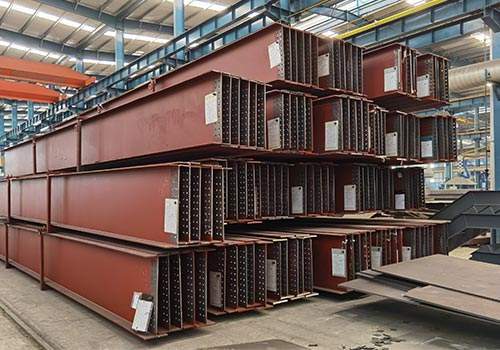
Structural steel H beams, also known as I-beams or wide flange beams, are a fundamental component in modern building construction. Their distinctive H-shape, characterized by two horizontal flanges connected by a vertical web, provides exceptional strength and stability. The efficient distribution of steel in this configuration makes structural steel H beams an ideal choice for load-bearing applications in a wide variety of building projects. From high-rise skyscrapers and expansive industrial facilities to residential buildings and bridges, the versatility and performance of structural steel H beams are highly valued. Understanding the numerous benefits of incorporating structural steel H beams into building designs is essential for architects, engineers, contractors, and developers seeking robust, cost-effective, and sustainable construction solutions. This comprehensive blog post will explore the key advantages that structural steel H beams offer in the realm of building construction.
High Strength-to-Weight Ratio of Structural Steel H Beam
One of the most significant benefits of utilizing structural steel H beams in buildings is their impressive strength-to-weight ratio. Steel, as a material, possesses inherent high tensile and compressive strength. The H-beam’s optimized shape further maximizes this inherent strength while minimizing the amount of material required. This means that H beams can support substantial loads without adding excessive weight to the building’s overall structure. This characteristic is particularly advantageous in high-rise construction where minimizing dead load is crucial. The high strength-to-weight ratio of structural steel H beams translates to more efficient designs, potentially requiring less foundation work and allowing for larger open spaces within the building.
Design Flexibility with Structural Steel H Beam

Structural steel H beams offer significant design flexibility for architects and engineers. They can be easily fabricated into various lengths and shapes, allowing for innovative and complex architectural designs. Steel members can be connected using a variety of methods, including welding, bolting, and riveting, providing adaptability on the construction site. The ability to create long spans with H beams reduces the need for intermediate columns, offering greater flexibility in interior layout and usage. This design freedom allows for the creation of aesthetically pleasing and functionally efficient building spaces. Furthermore, structural steel H beams can be integrated with other building materials and systems, providing seamless transitions and customized solutions for diverse project requirements.
Durability and Longevity of Structural Steel H Beam Structures
Buildings constructed with structural steel H beams are known for their exceptional durability and longevity. Steel is an inherently robust material that is resistant to many common building hazards, such as rot, pests, and mildew. With proper surface treatment, such as galvanizing or painting, H beams can also withstand corrosion and the effects of harsh weather conditions, ensuring a long service life for the building. This durability translates to lower maintenance costs over the lifespan of the structure. The inherent strength and stability of H beam frameworks contribute to the overall resilience of the building, making it capable of withstanding seismic activity and high winds to a greater extent compared to some other construction materials.
Speed and Efficiency of Construction with Structural Steel H Beam
The use of structural steel H beams can significantly accelerate the construction process. Steel components are typically fabricated off-site under controlled conditions, ensuring high precision and quality. These prefabricated members can then be efficiently transported to the construction site and erected quickly using cranes and other lifting equipment. The speed of erection reduces on-site labor time and overall project timelines, leading to potential cost savings. The predictable nature of steel construction, with standardized connections and assembly processes, further contributes to efficient project management and scheduling. This faster construction cycle can be particularly beneficial for projects with tight deadlines or in areas with limited construction windows.
Cost-Effectiveness of H Beam Usage
While the initial material cost of structural steel H beams might seem higher compared to some other materials, the overall cost-effectiveness throughout the building’s lifecycle is often significant. The high strength-to-weight ratio can lead to reduced foundation requirements and potentially lower material quantities. The speed of construction translates to lower labor costs and reduced project duration, which can offset initial material expenses. Furthermore, the durability and low maintenance requirements of steel structures contribute to long-term cost savings. The recyclability of steel also adds to its economic and environmental value. As steel prices can fluctuate, a thorough cost analysis considering all these factors is crucial for evaluating the overall cost-effectiveness of using structural steel H beams.
Sustainability of Structural Steel H Beam in Building
Structural steel H beams are a sustainable choice for building construction due to the inherent recyclability of steel. Steel is one of the most recycled materials globally, and it can be recycled repeatedly without losing its strength or quality. Utilizing H beams in construction projects contributes to resource conservation and reduces the environmental impact associated with material production. Additionally, the durability and longevity of steel structures mean a longer lifespan for the building, reducing the need for frequent replacements and minimizing waste. The efficient use of material due to the high strength-to-weight ratio also contributes to sustainability by minimizing the embodied energy of the structure. Choosing H beams aligns with green building practices and contributes to a more sustainable built environment.
Fire Resistance Properties of Structural Steel H Beam
While steel itself is non-combustible, its strength can be compromised at high temperatures encountered during a fire. However, significant advancements have been made in fire protection methods for structural steel H beams. These methods include the application of fire-resistant coatings, encasements with concrete or gypsum, and the use of intumescent paints that expand to provide insulation when exposed to heat. Incorporating appropriate fire protection measures ensures that H beam frameworks can maintain their structural integrity for a specified period during a fire, allowing for safe evacuation and fire suppression efforts. Building codes and regulations typically mandate specific fire resistance ratings for structural steel members based on the building’s occupancy and height, ensuring a high level of safety.
Versatile Applications of H Beam
Structural steel H beams are incredibly versatile and can be used in a wide range of building applications. Their primary use is in creating the skeletal framework of buildings, providing load-bearing support for floors, roofs, and walls. They are essential in the construction of high-rise buildings, industrial plants, warehouses, bridges, and even residential homes. Structural steel H beams can be used as columns, beams, and girders, adapting to various structural requirements. Their ability to span long distances makes them ideal for creating large, open spaces such as auditoriums, sports arenas, and exhibition halls. The adaptability and strength of H beams make them a preferred material for diverse construction projects, regardless of size or complexity.
Structural Steel H Beam Specifications and Considerations
When specifying and using structural steel H beams, several factors need careful consideration. These include the required load-bearing capacity, span length, connection details, fire resistance requirements, and environmental conditions. Structural engineers play a crucial role in determining the appropriate size and grade of H beams for a specific application based on structural analysis and building codes. Factors such as wind loads, seismic forces, and live loads must be taken into account. Proper detailing of connections between steel members is essential for ensuring the structural integrity of the framework. Furthermore, considerations for transportation, handling, and erection on-site are important for efficient construction. Understanding these specifications and considerations is vital for successful and safe implementation of structural steel H beams in building projects.
Structural Steel H Beam: A Comparative Look
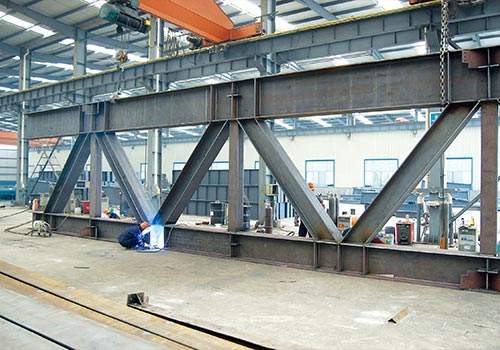
While various materials are used in building construction, structural steel H beams offer a unique combination of advantages. Compared to concrete, steel structures often have a lower overall weight and can be erected more quickly. While timber is a renewable resource, H beams typically offer superior strength and durability for larger-scale projects. Masonry construction, while offering aesthetic appeal, may not be suitable for high-rise or long-span structures as efficiently as steel. Each material has its own set of properties and applications where it excels, but H beams stand out for their strength, design flexibility, and speed of construction in a wide range of building types.
| Property | Structural Steel H Beam | Concrete | Timber | Masonry |
|---|---|---|---|---|
| Strength-to-Weight Ratio | High | Moderate | Low to Moderate | Low |
| Design Flexibility | High | Moderate | Moderate | Low |
| Construction Speed | Fast | Moderate to Slow | Moderate | Slow |
| Durability | High | High | Moderate (susceptible to rot, pests) | High (can be brittle) |
| Fire Resistance | Requires protection | Good inherent | Low (combustible) | Good inherent |
| Recyclability | High | Low | Moderate | Low |
| Span Capability | Long | Moderate | Moderate | Short to Moderate |
Conclusion
In conclusion, structural steel H beams offer a compelling array of benefits for building construction. Their exceptional strength-to-weight ratio, design flexibility, durability, and speed of construction make them an indispensable material for a wide range of projects, from towering skyscrapers to efficient industrial facilities. By choosing structural steel H beams, you are investing in a robust, sustainable, and cost-effective building solution. Ready to elevate your construction projects with the unparalleled strength and versatility of structural steel H beams? Contact us today to explore how our high-quality steel solutions can meet your specific building needs.
FAQ
Q: What is a H beam?
A: A H beam is a hot-rolled or fabricated steel section with a distinctive H-shape, consisting of two horizontal flanges connected by a vertical web. It is used as a primary load-bearing element in building construction.
Q: What are the main advantages of using structural steel H beams?
A: The main advantages include a high strength-to-weight ratio, design flexibility, durability, speed of construction, cost-effectiveness over the lifecycle, and recyclability.
Q: Are steel buildings fireproof?
A: While steel itself is non-combustible, its strength can be compromised at high temperatures. Therefore, steel structures require fire protection measures to meet building code requirements and ensure safety.
Q: Can structural steel H beams be used in residential construction?
A: Yes, structural steel H beams can be used in residential construction, particularly for projects requiring large open spaces, unique architectural designs, or enhanced structural stability.