Welcome to My Blog!
Before we dive into the content, I’d love for you to join me on my social media platforms where I share more insights, engage with the community, and post updates. Here’s how you can connect with me:
Facebook:https://www.facebook.com/profile.php?id=61565337355573
Now, let’s get started on our journey together. I hope you find the content here insightful, engaging, and valuable.
Table of Contents
Introduction
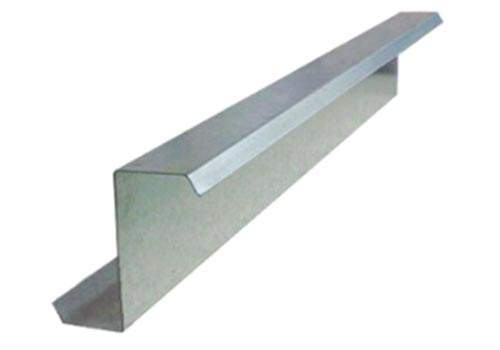
Carbon steel angle, a fundamental structural element in the construction industry, is characterized by its L-shaped cross-section. Formed by bending a single piece of steel into two legs at a 90-degree angle, carbon steel angle offers exceptional strength and versatility for a wide range of applications. Its robust nature, coupled with its cost-effectiveness, makes carbon stl angle a preferred material for numerous construction projects, from residential buildings to large-scale infrastructure. This blog post delves into the myriad benefits of utilizing carbon steel angle in construction, exploring its structural advantages, diverse applications, and economic viability. Understanding the properties and applications of carbon steel angle is crucial for engineers, architects, and construction professionals seeking reliable and efficient building materials.
Superior Strength and Durability of Carbon Steel Angle
One of the primary advantages of steel angle is its inherent strength and durability. Carbon steel, an alloy of iron and carbon, possesses a high tensile strength, enabling it to withstand significant loads and stresses. This robust characteristic makes carbon steel angle an ideal component for load-bearing structures, ensuring the stability and longevity of buildings and infrastructure. The inherent durability of carbon steel also contributes to the extended lifespan of constructions, reducing the need for frequent replacements and maintenance. Furthermore, steel angle exhibits excellent resistance to deformation, maintaining its structural integrity even under demanding conditions. This combination of strength and durability positions steel angle as a reliable and long-lasting material for various construction needs.
Versatile Applications of Carbon Steel Angle in Building Projects
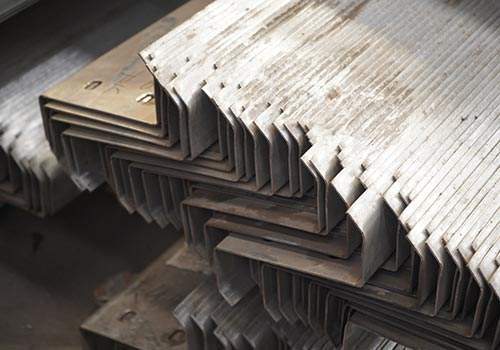
The unique L-shape of steel angle lends itself to a remarkable range of applications within building projects. It serves as crucial support for beams and columns, reinforcing structural frameworks and enhancing overall stability. Carbon steel angle is also extensively used in the construction of trusses, providing robust support for roofs and bridges. In the realm of residential buildings, it finds application in framing walls, creating sturdy and reliable structures. Moreover, steel angle is indispensable in the fabrication of steel stairs and platforms, offering both strength and safety. Its adaptability extends to the creation of bracing systems, which enhance the lateral stability of structures, particularly in regions prone to seismic activity or high winds. The versatility of steel angle makes it an indispensable component in diverse construction scenarios.
Cost-Effectiveness of Utilizing Steel Angle
Economic considerations play a significant role in material selection for construction projects, and carbon steel angle offers a compelling advantage in terms of cost-effectiveness. Compared to other structural materials like specialized alloys or reinforced concrete in certain applications, steel angle is generally more affordable. The manufacturing process for carbon steel is well-established and efficient, contributing to its lower cost. Furthermore, its durability translates to reduced long-term maintenance and replacement expenses, adding to its economic appeal. While the initial cost is a key factor, the overall life cycle cost of using steel angle often proves to be more economical due to its longevity and minimal upkeep requirements. This cost-effectiveness makes steel angle an attractive option for budget-conscious construction projects without compromising structural integrity.
Ease of Fabrication and Installation of Carbon Steel Angle
Carbon steel angle is known for its ease of fabrication and installation, which can significantly streamline construction processes and reduce labor costs. It can be readily cut, drilled, welded, and bolted using standard construction equipment and techniques. This workability allows for efficient on-site modifications and assembly, adapting to specific project requirements. The straightforward installation process contributes to faster construction timelines, ultimately saving time and resources. Unlike some specialized materials that require complex handling or installation procedures, steel angle can be efficiently integrated into various structural designs with relative ease. This ease of use makes it a practical choice for construction teams, facilitating smoother and more efficient project execution.
Resistance to Environmental Factors and Corrosion Protection for Carbon Steel Angle
While carbon steel is susceptible to corrosion under certain environmental conditions, effective protective measures can significantly enhance its resistance. Various surface treatments, such as galvanizing, painting, and powder coating, can create a barrier that shields the steel from moisture and other corrosive elements. Galvanizing, in particular, provides a robust and long-lasting layer of zinc that protects the underlying steel from rust. Implementing appropriate corrosion protection strategies ensures the longevity and structural integrity of steel angle in diverse environmental settings, including those with high humidity or exposure to salts. This ability to be effectively protected against corrosion further solidifies its reliability as a construction material.
Contribution of Steel Angle to Structural Stability and Safety
The inherent strength and rigidity of steel angle play a crucial role in enhancing the overall structural stability and safety of buildings and infrastructure. When used as support beams, columns, and bracing, carbon steel angle helps distribute loads effectively, preventing excessive stress on individual structural members. Its resistance to bending and deformation ensures that the structural framework remains stable under various loads and environmental conditions. This enhanced stability contributes significantly to the safety of the occupants and the longevity of the structure. The reliable performance of steel angle under stress makes it a vital component in creating safe and durable constructions.
Carbon Steel Angle in Diverse Construction Applications: A Tabular Overview
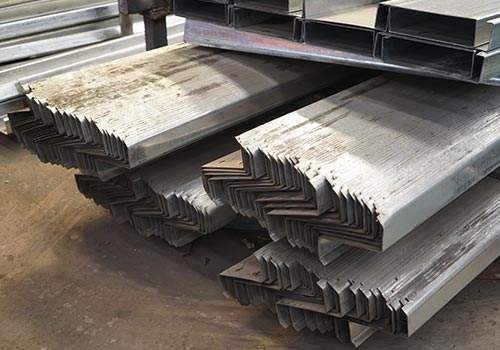
To further illustrate the versatility of carbon steel angle, the followg table provides a concise overview of its applications in various construction areas:
| Application Area | Specific Uses of Carbon Steel Angle | Benefits Provided |
|---|---|---|
| Structural Framing | Support beams, columns, trusses, roof structures | High strength, load-bearing capacity, stability |
| Residential Construction | Wall framing, floor joists, stair stringers | Structural support, ease of installation, cost-effectiveness |
| Infrastructure Projects | Bridge supports, bracing, railway structures | Durability, resistance to deformation, long lifespan |
| Industrial Buildings | Mezzanines, platforms, equipment supports | Robustness, ability to withstand heavy loads, stability |
| Commercial Buildings | Curtain wall supports, facade elements, interior framing | Versatility in design, ease of fabrication, structural reinforcement |
| Agricultural Structures | Barn framing, livestock enclosures, equipment supports | Strength, durability in various environments, cost-efficiency |
| Temporary Structures | Scaffolding, formwork supports | Strength, ease of assembly and disassembly, reusability |
| Reinforcement Applications | Concrete reinforcement in specific areas, edge protection | Enhanced structural integrity, resistance to impact and wear |
| Decorative and Aesthetic Uses | Architectural features, railings, ornamental elements | Design flexibility, potential for shaping and finishing, visual appeal |
Conclusion
In conclusion, carbon steel angle stands out as a highly beneficial material for a wide spectrum of construction applications. Its exceptional strength, durability, versatility, and cost-effectiveness make it a cornerstone of modern building practices. From providing critical structural support to facilitating efficient construction processes, steel angle contributes significantly to the safety, stability, and longevity of various projects. Its ease of fabrication and installation, coupled with the availability of effective corrosion protection methods, further enhances its appeal. Embrace the reliability and strength of steel angle for your next construction endeavor. Contact us today to explore our range of high-quality carbon steel angle products and discover how we can support your project’s success.
FAQ
Q: What is steel angle?
A: Steel angle is a structural steel element with an L-shaped cross-section, formed by bending a single piece of carbon steel at a 90-degree angle.
Q: What are the primary advantages of using carbon steel angle in construction?
A: The main benefits include superior strength and durability, versatile applications, cost-effectiveness, ease of fabrication and installation, and the ability to be protected against corrosion.
Q: Where is carbon steel angle commonly used in construction?
A: Carbon steel angle is used in various applications such as structural framing (beams, columns, trusses), residential wall framing, bridge supports, industrial platforms, and more.