Welcome to My Blog!
Before we dive into the content, I’d love for you to join me on my social media platforms where I share more insights, engage with the community, and post updates. Here’s how you can connect with me:
Facebook:https://www.facebook.com/profile.php?id=61565337355573
Now, let’s get started on our journey together. I hope you find the content here insightful, engaging, and valuable.
Table of Contents
Introduction

Lattice columns, often characterized by their open, grid-like structures, have become a significant feature in modern architecture. These columns, composed of intersecting metal or wooden strips, provide both aesthetic appeal and structural support. Over time, lattice columns have evolved from a traditional architectural element to an essential component of contemporary building design, offering strength, flexibility, and visual interest. In this blog, we will explore the various applications of lattice columns in modern architecture, their benefits, and why they are increasingly becoming a preferred choice in both residential and commercial projects.
What Are Lattice Columns?
Lattice columns are vertical structural elements that typically consist of intersecting strips of metal, wood, or other materials arranged in a crisscross or grid pattern. Unlike solid columns, lattice columns are designed to allow air and light to pass through the gaps in their structure, offering both aesthetic and functional advantages.
Lattice columns were historically used in classical architecture, particularly in the construction of bridges, pergolas, and porticos. Today, they are incorporated into modern architecture not only for their practicality but also as a design element that enhances the beauty and functionality of a building.
Benefits of Lattice Columns
Lattice columns offer numerous advantages, making them an attractive option for modern architectural projects. Some of the most notable benefits include:
Aesthetic Appeal
Lattice columns provide a unique and visually striking design element. Their geometric patterns and open structure can add a sense of elegance and sophistication to any building. The transparency and interplay of light and shadow they create can enhance the architectural aesthetics of both interior and exterior spaces.
Structural Support
Despite their open and delicate appearance, lattice columns are highly effective in providing structural support. The interlocking design of the lattice pattern distributes loads efficiently, making these columns suitable for both load-bearing and decorative purposes.
Space Efficiency
Lattice columns allow for more open space due to their lightweight structure. This is particularly beneficial in environments where space is at a premium, such as in urban areas or smaller buildings. The openness of the design allows for a sense of expansiveness in otherwise confined spaces.
Ventilation and Light
One of the key advantages of lattice columns is their ability to facilitate natural airflow and light transmission. This feature is particularly valuable in spaces that require natural ventilation, such as greenhouses, atriums, and open-air structures.
Flexibility in Design
Lattice columns can be customized to meet the aesthetic and structural requirements of a specific project. Whether they are used for traditional or modern designs, lattice columns can be adapted in terms of material, size, and pattern to fit any architectural style.
Applications of Lattice Columns in Modern Architecture


Lattice columns have found their place in various modern architectural applications. Below are some of the most popular uses:
Residential Buildings
In modern homes, lattice columns are often incorporated into exterior facades, patios, and porches. Their open design allows for an aesthetically pleasing appearance while providing essential support for the building’s structure. Lattice columns can be used in combination with other architectural elements, such as beams and arches, to create visually appealing outdoor spaces.
Commercial Buildings
Lattice columns are used in the construction of commercial buildings, particularly in areas such as entrances, lobbies, and atriums. The ability to customize the columns to fit the design theme of the building makes them ideal for high-end office spaces, retail outlets, and hotels. Their lightweight nature helps reduce the overall weight of the building without compromising on structural integrity.
Bridges and Walkways
Lattice columns are also commonly used in the construction of pedestrian bridges and walkways. Their open, grid-like structure not only provides the necessary support for the structure but also allows for better visibility and aesthetics in these outdoor settings. In many cases, lattice columns are paired with other materials such as glass or steel to enhance both the functionality and appearance of bridges and walkways.
Public Spaces and Monuments
Lattice columns are frequently used in public spaces, parks, and monuments due to their versatility and visual appeal. They are often found in outdoor installations, garden structures, and even urban art pieces. The columns help define spaces while maintaining an open, inviting atmosphere that encourages interaction and engagement.
Interior Design
Within interior design, lattice columns are used to create partition walls, room dividers, or decorative supports. In commercial spaces such as museums or galleries, lattice columns can help define exhibition areas without obstructing the flow of space. In residential interiors, they can add a modern, industrial touch to living rooms, hallways, or open-plan spaces.
Key Materials for Lattice Columns
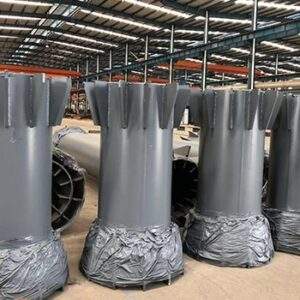


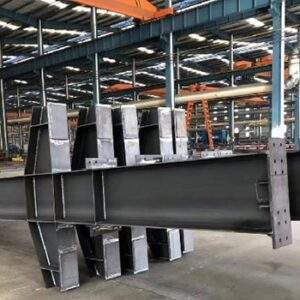
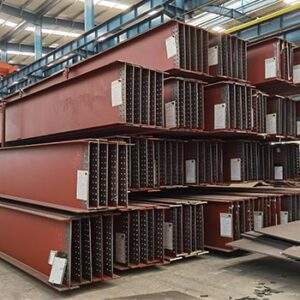
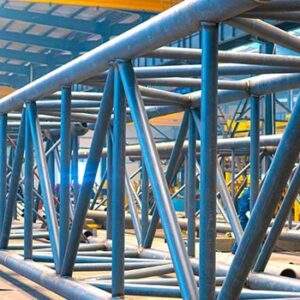
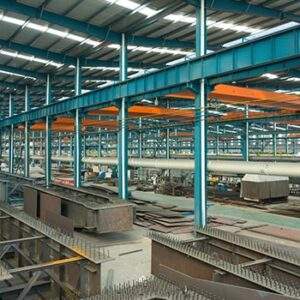
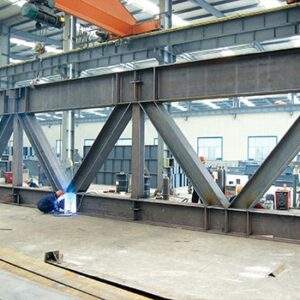
Choosing the right material for lattice columns is essential for achieving both the desired aesthetic and structural performance. Here are some of the most commonly used materials for lattice columns:
| Material | Benefits | Common Uses |
|---|---|---|
| Steel | High strength, durability, modern appearance | Commercial buildings, bridges, industrial structures |
| Wood | Classic appearance, lightweight, eco-friendly | Residential buildings, pergolas, garden structures |
| Aluminum | Lightweight, corrosion-resistant, contemporary design | Public spaces, modern architecture, walkways |
| Fiberglass | Weather-resistant, customizable, low maintenance | Outdoor structures, industrial buildings |
How to Choose the Right Lattice Column for Your Project

When selecting lattice columns for your architectural project, there are several factors to consider. These factors include the material, design, size, and functionality of the column. Here are some tips for choosing the right lattice column:
Consider the Material: Choose a material that matches the aesthetic and functional needs of the project. Steel may be ideal for heavy-duty applications, while wood may be better for more traditional or eco-friendly designs.
Design and Pattern: The lattice pattern should complement the overall design of the structure. Customizable patterns allow for a unique appearance, but they should also meet the structural requirements of the project.
Load-Bearing Requirements: Make sure the lattice column is designed to carry the appropriate load. The strength and durability of the column should align with its intended use in the building.
Integration with Other Architectural Elements: The lattice column should work harmoniously with other architectural elements, such as beams, arches, or facades. It should enhance the visual flow of the space while maintaining functionality.
Maintenance: Consider the maintenance requirements of the material. For example, wood may need periodic treatment to prevent weathering, while steel may require anti-corrosion coatings.
Conclusion
Lattice columns play a crucial role in modern architecture, providing a combination of aesthetic appeal and functional support. Their versatility, structural strength, and flexibility make them suitable for a wide range of applications, from residential buildings to commercial spaces and public monuments. By selecting the right materials and design, architects and designers can integrate lattice columns into their projects to create visually striking and functional structures.
FAQ
What are lattice columns used for?
Lattice columns are used in modern architecture for a variety of applications, including residential buildings, commercial spaces, bridges, public monuments, and interior design.
What materials are used for lattice columns?
Lattice columns are commonly made from materials such as steel, wood, aluminum, and fiberglass, depending on the desired aesthetic and structural requirements.
Are lattice columns suitable for load-bearing applications?
Yes, lattice columns are designed to provide structural support, and their interlocking grid patterns can handle significant loads when properly engineered.
How can lattice columns enhance the aesthetic value of a building?
Lattice columns offer a unique and visually appealing design element, creating interesting patterns of light and shadow while providing a sense of openness and sophistication.
Can lattice columns be customized for specific designs?
Yes, lattice columns can be customized in terms of material, size, shape, and pattern to meet the specific needs of a building or project.
How do lattice columns contribute to sustainability?
Lattice columns allow for better airflow and natural light, reducing the need for artificial lighting and ventilation, which can contribute to energy savings in a building. Additionally, eco-friendly materials like wood and fiberglass can be used to create sustainable structures.