Welcome to My Blog!
Before we dive into the content, I’d love for you to join me on my social media platforms where I share more insights, engage with the community, and post updates. Here’s how you can connect with me:
Facebook:https://www.facebook.com/profile.php?id=61565337355573
Now, let’s get started on our journey together. I hope you find the content here insightful, engaging, and valuable.
Table of Contents
Introduction
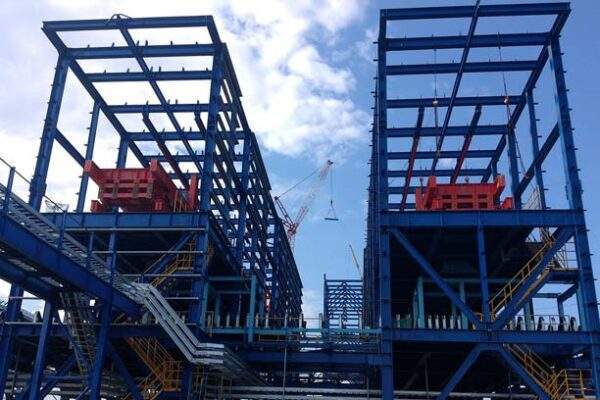
Welding steel is a crucial skill in various industries, from construction to automotive repair. Whether you are a seasoned professional or a DIY enthusiast, understanding the secrets to perfect welding can significantly enhance the quality of your work. In this blog post, we will explore essential tips and techniques that will help you achieve flawless welds every time. We will discuss the importance of preparation, equipment selection, and welding techniques, and answer common questions related to welding steel.
The Importance of Proper Preparation in Welding Steel
Before you begin welding, preparation is vital. The quality of your welds depends significantly on how well you prepare the surfaces to be welded. Here are some key steps to ensure effective preparation:
Cleaning the Surface
Remove any rust, paint, oil, or dirt from the surfaces you plan to weld. Contaminants can lead to weak welds, so it’s essential to clean the metal thoroughly. Using a wire brush or grinder can help achieve a smooth surface, which is crucial for effective welding.
Aligning the Pieces
Proper alignment of the steel pieces is critical for achieving strong welds. Misalignment can cause excessive stress on the welds, leading to cracks or failures. Use clamps or fixtures to hold the pieces in place, ensuring they are properly aligned before you start welding.
Selecting the Right Welding Method
Different welding methods are suited for different applications and materials. Understanding the various techniques available will help you choose the best method for your project. Here are some common welding methods used for welding steel:
- MIG Welding (Metal Inert Gas): This method is popular for its speed and ease of use. It is ideal for thin materials and produces clean welds.
- TIG Welding (Tungsten Inert Gas): TIG welding provides excellent control and is suitable for welding thin materials and intricate designs.
- Stick Welding (Shielded Metal Arc Welding): This method is versatile and can be used in various positions, making it suitable for outdoor projects and thick materials.
Choosing the Right Equipment for Welding Steel
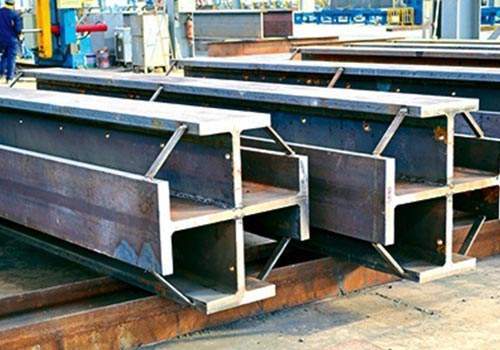
Selecting the appropriate equipment is crucial for successful welding. Here are some key factors to consider when choosing welding equipment:
Welding Machine
Your choice of welding machine will depend on the thickness of the steel you plan to weld and the type of welding method you choose. MIG and TIG welders are generally more suitable for thin materials, while stick welders can handle thicker steel. It’s essential to invest in a high-quality welder that matches your project requirements.
Protective Gear
Safety should always be a priority when welding. Wearing the appropriate protective gear, such as welding helmets, gloves, and aprons, is essential to protect yourself from sparks, UV radiation, and heat. Ensure that your protective equipment is rated for the welding process you are using.
Filler Material
Selecting the right filler material is crucial for achieving strong welds. The filler material should match the base metal and be compatible with the welding method. Common filler materials for welding steel include ER70S-6 for MIG welding and E7018 for stick welding.
Techniques for Achieving Perfect Welds
Mastering welding techniques can make a significant difference in the quality of your welds. Here are some techniques to improve your welding skills:
Maintaining Proper Arc Length
The distance between the welding electrode and the base metal, known as arc length, affects the quality of the weld. Maintaining a consistent arc length ensures that the heat is distributed evenly, resulting in a strong weld. A good rule of thumb is to keep the arc length about the diameter of the electrode.
Controlling Travel Speed
Travel speed refers to how fast you move the welding torch along the joint. Controlling your travel speed is essential for achieving a consistent weld bead. If you move too fast, the weld may be weak and undercut; if you move too slowly, you risk overheating the metal. Practice different travel speeds to find the optimal rate for your welding projects.
Using the Right Welding Angle
The angle of the welding torch also plays a crucial role in the quality of the weld. For most welding processes, a 15 to 20-degree angle is recommended. This angle helps direct the heat into the joint and allows for better penetration.
Creating a Consistent Weld Pool
A well-formed weld pool is critical for achieving strong welds. To create a consistent weld pool, maintain a steady hand and keep the torch moving at a constant speed. This consistency helps prevent issues such as porosity and lack of fusion.
Table: Comparison of Welding Techniques for Steel
| Welding Method | Best For | Advantages | Disadvantages |
|---|---|---|---|
| MIG Welding | Thin materials | Fast and easy to learn | Limited to clean surfaces |
| TIG Welding | Precision work | Excellent control and finish | Slower and more complex |
| Stick Welding | Thick materials | Versatile and portable | Can produce slag and spatter |
| Flux-Cored Welding | Outdoor welding | Good penetration | Requires cleanup |
Conclusion
Perfecting the art of welding steel requires knowledge, skill, and practice. By focusing on proper preparation, selecting the right equipment, and mastering essential techniques, you can achieve strong and reliable welds. Remember to prioritize safety and continue honing your skills through practice and learning.
FAQ
What is the best method for welding steel?
The best method for welding steel depends on the specific application and the thickness of the material. MIG welding is popular for its speed and ease of use, while TIG welding offers excellent control for precision work.
How do I know if my welds are strong?
Strong welds should be smooth, uniform, and free of defects such as cracks, porosity, or undercutting. Visual inspection and destructive testing can help assess the quality of your welds.
What safety gear do I need for welding?
Essential safety gear for welding includes a welding helmet, gloves, protective clothing, and safety glasses. Ensure that your protective equipment is rated for the type of welding you are performing.
Can I weld steel without a filler material?
Yes, some welding techniques, such as TIG welding, can be performed without filler material if the base metals are melted together. However, using filler material is often recommended to enhance the strength of the weld.
How can I improve my welding skills?
Improving your welding skills takes practice and patience. Consider enrolling in welding classes, attending workshops, or seeking mentorship from experienced welders. Regular practice on different materials and techniques will also help you refine your skills.