Welcome to My Blog!
Before we dive into the content, I’d love for you to join me on my social media platforms where I share more insights, engage with the community, and post updates. Here’s how you can connect with me:
Facebook:https://www.facebook.com/profile.php?id=61565337355573
Now, let’s get started on our journey together. I hope you find the content here insightful, engaging, and valuable.
Table of Contents
Introduction
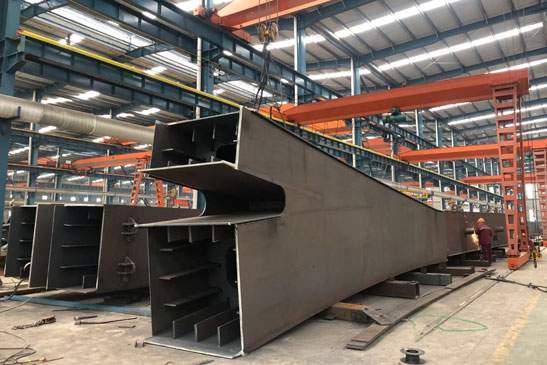
In the world of modern construction, house steel structures are becoming an increasingly popular choice for homeowners, builders, and architects alike. Steel has long been considered one of the most durable and reliable building materials available, offering a variety of advantages over traditional wood or concrete. Whether you’re building a small house or a larger commercial structure, the use of steel can provide numerous benefits. This article will explore why house steel structures are a smart choice and the key factors to consider when opting for this construction method.
Durability and Longevity
One of the primary reasons why house steel structures are a smart choice is their durability. Steel is known for its resilience, making it an excellent material for withstanding harsh weather conditions and natural disasters. Unlike wood, steel doesn’t warp, crack, or rot over time, ensuring your home remains sturdy and intact for decades. This exceptional durability means that steel structures require less maintenance and repairs, saving you money in the long term.
Benefits of Durability in House Steel Structures:
- Weather-resistant: Steel is immune to damage from rain, snow, or extreme temperatures.
- Pest-resistant: Steel doesn’t attract insects or rodents, unlike wooden frames.
- Long lifespan: A well-maintained steel structure can last for 50+ years.
Cost-Effectiveness Over Time
While house steel structures may require a higher initial investment compared to traditional construction materials, they prove to be more cost-effective in the long run. The reduced maintenance costs, combined with the longevity of the material, result in significant savings over the life of the building. Additionally, the speed of construction can lead to savings in labor costs, as steel structures are faster to assemble compared to conventional construction methods.
Key Cost Benefits of House Steel Structures:
- Lower maintenance costs: No need for regular repairs or pest control.
- Energy efficiency: Steel homes are often better insulated, reducing heating and cooling expenses.
- Faster construction: Shortened project timelines reduce overall labor costs.
Environmental Sustainability
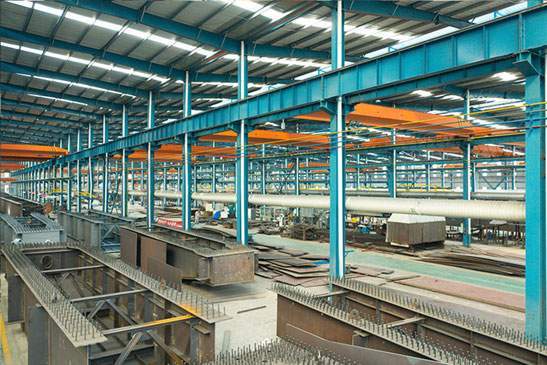
In today’s environmentally-conscious world, many are seeking sustainable alternatives in construction. Steel is a highly recyclable material, which makes house steel structures an eco-friendly choice. Recycled steel reduces the demand for new raw materials and minimizes waste. Additionally, steel structures can be designed to optimize energy efficiency, making them an environmentally responsible option for homeowners who are committed to sustainability.
Sustainability Advantages of House Steel Structures:
- Recyclability: Steel can be recycled indefinitely without losing quality.
- Energy efficiency: Steel homes can be better insulated to minimize energy consumption.
- Minimal waste: The manufacturing of steel generates less waste compared to other materials.
Flexibility and Customization in Design
One of the most appealing aspects of house steel structures is the flexibility they offer in terms of design. Steel frames allow for larger open spaces and unique layouts that may not be possible with traditional construction methods. The strength of steel also allows for more customization in design, including the incorporation of larger windows, higher ceilings, and open-plan living spaces. This flexibility makes steel an excellent choice for modern architectural styles and personalizing your home’s appearance.
Design Flexibility:
- Open floor plans: Steel frames support large, open spaces with fewer supporting walls.
- Customization: Steel can be easily shaped and molded into various designs.
- Unique aesthetics: Steel structures allow for contemporary and sleek architectural designs.
Safety and Resilience
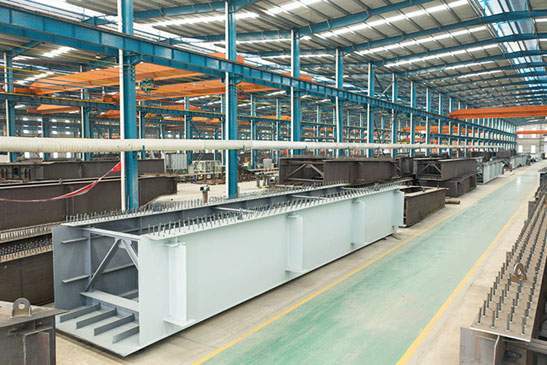
Safety is a top priority when constructing any home, and house steel structures provide exceptional protection against various safety hazards. Steel is naturally fire-resistant, making it a safer choice than wooden frames. Additionally, steel structures can be designed to withstand seismic forces, making them particularly ideal for regions prone to earthquakes. This added level of safety is a significant reason why many homeowners choose steel over traditional building materials.
Safety Features of House Steel Structures:
- Fire resistance: Steel is inherently fireproof, reducing the risk of structural fires.
- Earthquake resistance: Steel structures can be engineered to absorb seismic forces.
- Pest resistance: Steel structures are impervious to termites and other pests that can compromise the integrity of wood.
House Steel Structure vs. Traditional Materials: A Comparison
| Feature | House Steel Structure | Traditional Wooden Structure | Concrete Structure |
|---|---|---|---|
| Durability | Extremely durable, weather-resistant, long-lasting | Prone to damage from moisture, pests, and wear | Highly durable but can crack under certain conditions |
| Maintenance | Low maintenance requirements | Requires regular repairs and pest control | Low maintenance but requires occasional checks for cracks |
| Cost | Higher upfront cost, long-term savings | Lower initial cost but higher maintenance expenses | High upfront cost, long-lasting with minimal maintenance |
| Flexibility in Design | Highly customizable, allows for open spaces | Limited flexibility in design | Customizable, but less flexibility compared to steel |
| Environmental Impact | Highly recyclable, eco-friendly | Not recyclable, may require more resources | Can be made with recycled materials but has a larger environmental footprint |
Conclusion

In conclusion, house steel structures are an excellent investment for those seeking durability, cost-effectiveness, and sustainability. While the initial costs may be higher than traditional building materials, the long-term savings and benefits far outweigh these costs. Whether you are concerned with the environmental impact, looking for more design flexibility, or seeking a safer and more resilient structure, steel is an outstanding choice. With its numerous advantages, house steel structures are truly a smart and forward-thinking option for homeowners looking to build a strong, sustainable, and customizable home.
FAQ
Q1: Are house steel structures more expensive than traditional homes?
Yes, the upfront cost of house steel structures can be higher than traditional homes. However, due to their durability and low maintenance, they can save money in the long term.
Q2: How long does a house steel structure last?
A well-built steel house can last for 50 years or more with minimal maintenance, thanks to the material’s durability and resistance to weather, pests, and decay.
Q3: Can house steel structures be designed to withstand earthquakes?
Yes, steel structures are highly resistant to seismic forces, making them an ideal choice for earthquake-prone areas.
Q4: How energy-efficient are house steel structures?
Steel structures can be designed with better insulation and energy-efficient materials, helping to reduce heating and cooling costs.
Q5: Are steel houses environmentally friendly?
Yes, steel is a recyclable material, and building with steel reduces waste and the demand for new raw materials. Additionally, steel structures can be designed for energy efficiency, making them a sustainable building option.