Welcome to My Blog!
Before we dive into the content, I’d love for you to join me on my social media platforms where I share more insights, engage with the community, and post updates. Here’s how you can connect with me:
Facebook:https://www.facebook.com/profile.php?id=61565337355573
Now, let’s get started on our journey together. I hope you find the content here insightful, engaging, and valuable.
Table of Contents
Introduction
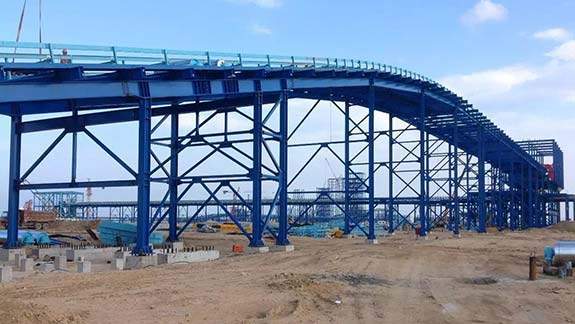
Steel space frame structures have revolutionized modern architecture and construction, becoming a go-to solution in projects where both strength and aesthetics are key considerations. Their popularity has soared in recent decades, particularly in large-span buildings that require open, unobstructed spaces. These structures are a staple in the construction of airports, sports arenas, exhibition halls, and even complex industrial facilities, offering not only unparalleled strength but also impressive design flexibility. The combination of high load-bearing capacity, reduced material consumption, and the ability to cover vast expanses without internal supports makes steel space frame structures a remarkable choice for architects and engineers.
In this article, we will delve into the five key benefits of using steel space frame structures. We will explore how these structures deliver efficiency, safety, and sustainability, all while providing an aesthetic element that blends seamlessly with modern architectural demands. Whether you are considering a large-scale commercial project or a large-span industrial facility, the benefits of steel space frames will become clear as we discuss their pivotal role in shaping contemporary construction practices.
What is a Steel Space Frame Structure?
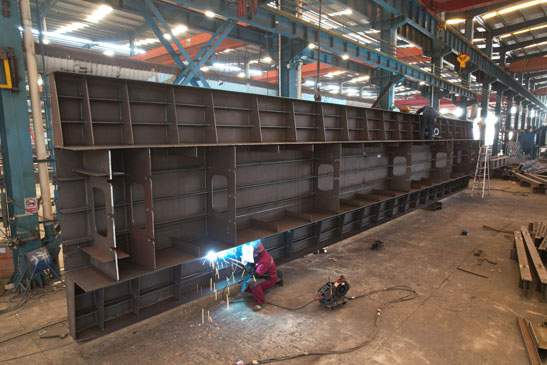
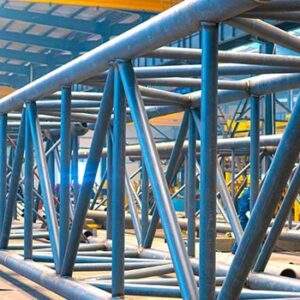
A steel space frame structure is a sophisticated, three-dimensional framework that is designed to distribute loads efficiently across its entire structure. Composed of interconnected steel members—beams, nodes, and trusses—this design forms a rigid, yet lightweight framework capable of supporting substantial loads while maintaining stability. The nodes, where the beams intersect, serve as the key connection points, allowing for greater flexibility in structural design. This interconnected system allows forces such as tension, compression, and shear to be evenly distributed throughout the structure.
The beauty of a steel space frame lies in its ability to span large areas with minimal need for internal supports. This makes them particularly well-suited for applications such as sports stadiums, airport terminals, exhibition centers, and warehouses, where open spaces are essential. The configuration of a space frame creates a web-like structure, which provides both strength and flexibility, allowing it to withstand various environmental and structural stresses. Additionally, the design’s geometry can be easily adapted to meet specific architectural visions, making it an ideal choice for innovative and modern construction projects.
Unlike traditional beam-and-column structures, which rely on vertical supports to bear the weight of the building, a steel space frame structure’s weight is evenly distributed across the entire framework, allowing for greater freedom in the interior design of the building. This ability to create large, open, column-free spaces not only enhances the functionality of the structure but also offers aesthetic appeal, creating vast, uninterrupted spaces that can be used for a variety of purposes. Steel space frames have become a go-to choice in industries where both practicality and design aesthetics are crucial.
Key Benefits of Steel Space Frame Structures
Enhanced Structural Strength and Stability
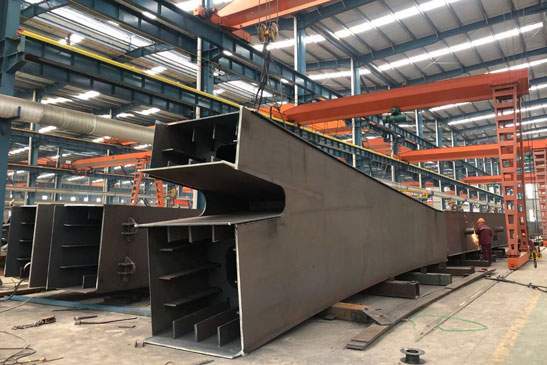
One of the primary advantages of a steel space frame structure is its exceptional strength and stability. The arrangement of the steel members creates a highly efficient load distribution system, allowing the structure to support heavy loads while maintaining its integrity. This strength makes steel space frame structures ideal for large-scale buildings, such as airports, shopping malls, and sports stadiums, where load-bearing capacity is essential.
Cost-Effective Construction
Steel space frame structures offer significant cost savings when compared to traditional construction methods. The efficient design and use of materials mean that less steel is required to achieve the same level of strength and stability. This reduces material costs, and since the construction time is often shorter due to the pre-fabrication of the steel components, overall labor costs are minimized as well. Additionally, the lightweight nature of steel components reduces transportation costs.
Versatility in Design
The versatility of steel space frame structures is another major benefit. The ability to span large areas without internal supports allows for a wide variety of design possibilities. Architects and engineers can create unique and innovative designs, offering greater flexibility in building layout and aesthetics. Whether it’s a curved roof for a stadium or a complex geometric pattern for an exhibition hall, steel space frame structures provide the freedom to design without limitations.
Durability and Longevity
Steel is known for its durability and resistance to environmental factors such as moisture, corrosion, and extreme weather conditions. Steel space frame structures are highly resistant to rust, termites, and other forms of degradation, ensuring a longer lifespan for the building. This durability is particularly important in regions with harsh weather conditions, where the structure’s integrity must be maintained over time.
Sustainability and Eco-Friendliness
Steel is a recyclable material, making steel space frame structures a sustainable choice for modern construction. The ability to recycle steel components reduces the environmental impact of the construction process. Additionally, the long lifespan of steel structures means that they do not need to be replaced as frequently as other materials, further reducing their carbon footprint. Steel space frames can also be designed to optimize energy efficiency, contributing to more sustainable buildings overall.
Comparison of Steel Space Frame Structures and Traditional Frame Structures


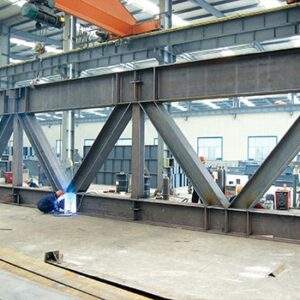
| Feature | Steel Space Frame Structure | Traditional Frame Structure |
|---|---|---|
| Load-Bearing Capacity | High | Moderate |
| Construction Time | Shorter | Longer |
| Material Efficiency | High | Lower |
| Flexibility in Design | High | Low |
| Sustainability | High | Moderate |
How Steel Space Frame Structures Are Used
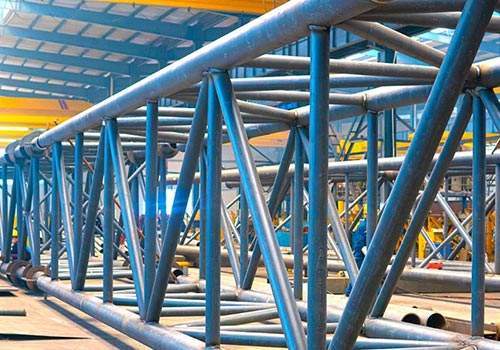
Steel space frame structures are used in a wide range of applications. Some common examples include:
- Sports Stadiums: Large, open spaces without internal columns, allowing for better views for spectators.
- Airports: Spacious terminals with minimal internal supports, ensuring maximum floor area.
- Exhibition Halls: Large, column-free spaces that can be customized for different events and exhibitions.
- Industrial Buildings: Warehouses and factories where large spans are needed for machinery and storage.
Conclusion
Steel space frame structures offer numerous benefits, including enhanced strength, cost-effectiveness, design versatility, durability, and sustainability. These structures are particularly ideal for large-scale buildings that require open spaces with minimal internal support. As the demand for more efficient and eco-friendly construction solutions grows, steel space frame structures continue to be a preferred choice for architects and engineers worldwide.
FAQ
What are the main materials used in a steel space frame structure?
Steel space frame structures are primarily made of steel beams, nodes, and trusses. The steel used is often high-strength and corrosion-resistant, making the structure durable and stable.
Can steel space frame structures be used in residential buildings?
While steel space frames are typically used in large commercial and industrial buildings, they can also be adapted for use in residential buildings, particularly in designs requiring large, open spaces.
How long do steel space frame structures last?
Steel space frame structures are highly durable and can last for several decades when properly maintained. Their resistance to environmental factors ensures a long lifespan compared to other construction materials.
Are steel space frame structures more expensive than traditional construction methods?
While the initial cost of steel space frame structures may be higher than traditional methods, the overall cost is often lower due to reduced material and labor costs, as well as shorter construction times.
Can steel space frame structures be recycled?
Yes, steel is a highly recyclable material, making steel space frame structures an eco-friendly choice for construction.