Welcome to My Blog!
Before we dive into the content, I’d love for you to join me on my social media platforms where I share more insights, engage with the community, and post updates. Here’s how you can connect with me:
Facebook:https://www.facebook.com/profile.php?id=61565337355573
Now, let’s get started on our journey together. I hope you find the content here insightful, engaging, and valuable.
Table of Contents
Introduction
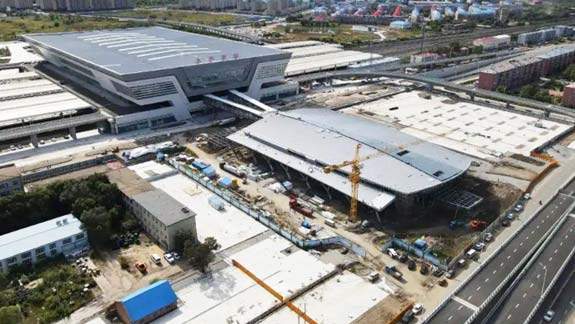
Z steel shapes are commonly used in construction and other industries due to their strength, durability, and versatile applications. However, despite their popularity, many professionals and companies make mistakes when selecting, handling, or installing Z steel shapes. In this blog, we will explore common mistakes to avoid when working with Z steel shapes and offer practical tips for ensuring that your projects are completed successfully and safely.
Choosing the Wrong Z Steel Shape for the Project
When it comes to selecting the right Z steel shape for your project, choosing the wrong type can lead to structural weaknesses and potentially costly repairs. Z steel shapes come in a variety of designs and sizes, each suitable for specific applications. One of the most common mistakes is not considering the load requirements and the intended use of the Z steel shape.
Factors to Consider:
- Load-bearing capacity
- Project size
- Structural requirements
- Environmental conditions
If you overlook these factors, you could end up with Z steel shapes that don’t provide the strength and durability required for the job.
Ignoring Proper Sizing and Dimensions
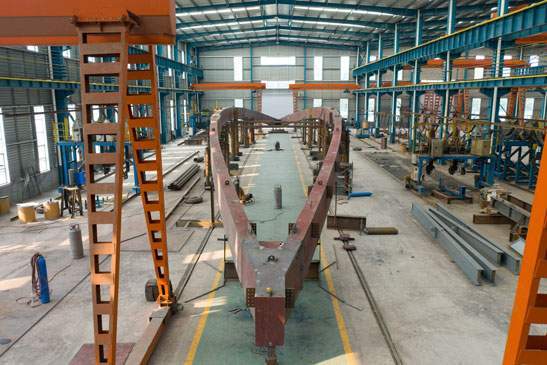
Another mistake commonly made is not paying attention to the correct dimensions and sizing when selecting Z steel shapes. Choosing steel that is either too small or too large for the task at hand can cause complications during installation, lead to material wastage, and even impact the overall stability of the structure.
The Importance of Accurate Sizing:
- Incorrect dimensions can affect the fit during installation.
- It can compromise the overall structural integrity.
- Material waste can result in higher project costs.
Ensuring that you have the right dimensions for your Z steel shapes is key to optimizing both the performance and cost-efficiency of your project.
Overlooking Corrosion Resistance
Corrosion is a significant concern for any steel structure exposed to harsh environmental conditions. When working with Z steel shapes, it’s essential to choose materials that are properly treated for corrosion resistance, especially for outdoor or high-humidity environments.
Corrosion Protection Methods:
- Hot-dip galvanization
- Powder coating
- Stainless steel Z shapes
Choosing Z steel shapes that are not adequately treated for corrosion can lead to deterioration and the need for frequent repairs or replacements.
Underestimating the Importance of Proper Installation Techniques
Even the highest quality Z steel shapes will not perform well if not installed correctly. Improper installation can cause misalignment, structural instability, or even failure in extreme conditions. Many common mistakes occur due to lack of experience or insufficient understanding of installation protocols.
Best Practices for Installation:
- Ensure correct alignment and support for Z steel shapes.
- Follow manufacturer instructions for fitting and fastenings.
- Use the appropriate welding and bolting methods.
Professional installation is crucial to guarantee the long-term success of your project.
Neglecting to Inspect these Regularly
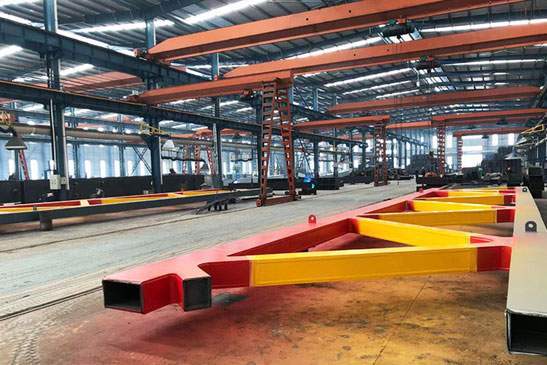
Once the Z steel shapes are installed, they must be regularly inspected to ensure that no damage, corrosion, or structural weaknesses have developed over time. Failing to conduct regular maintenance checks is a mistake that can lead to undetected issues, which can result in costly repairs and potential safety hazards.
What to Inspect Regularly:
- Corrosion and rust
- Alignment and structural integrity
- Fastenings and joints
Implementing a regular maintenance schedule for Z steel shapes can help prevent unexpected breakdowns and keep your project on track.
Table: Overview of it Considerations
| Consideration | Description | Impact |
|---|---|---|
| Load Requirements | Ensure that the Z steel shapes can handle the load capacity required for the structure. | Incorrect selection can cause structural failure. |
| Dimensions & Sizing | Properly size Z steel shapes based on the project’s needs. | Incorrect sizing may lead to installation challenges. |
| Corrosion Resistance | Choose Z steel shapes with appropriate coatings or treatments for the environment. | Failure to protect against corrosion can shorten the lifespan of the material. |
| Installation | Follow proper installation methods and techniques. | Poor installation can undermine the structure’s stability. |
| Maintenance & Inspections | Regularly inspect Z steel shapes for damage or wear. | Neglecting inspections can lead to undetected issues. |
Conclusion
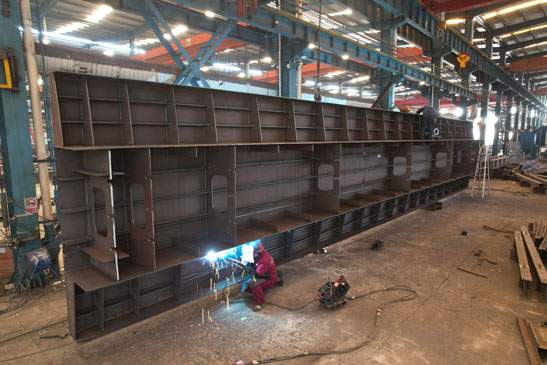
Avoiding these common mistakes when working with Z steel shapes is critical for ensuring the success and safety of your projects. By carefully selecting the right shapes, considering the proper dimensions, protecting against corrosion, ensuring correct installation, and conducting regular inspections, you can avoid costly mistakes and achieve optimal results. Taking the time to understand the nuances of Z steel shapes will pay off in the long run, enhancing the durability and performance of your structures.
FAQ
What are these used for?
Z steel shapes are used primarily in construction for structural applications such as beams, columns, and frames. Their unique Z-shape provides strength and stability for heavy-duty applications.
How do I choose the right Z steel shape for my project?
To select the right Z steel shape, consider factors such as load requirements, project size, and the environment in which the structure will be used. Consult with a professional engineer if necessary.
Are Z steel shapes resistant to corrosion?
Some Z steel shapes come with coatings that enhance corrosion resistance, but it is important to choose the correct type of Z steel shape based on the environmental conditions. Options like galvanization or stainless steel are better suited for areas with high humidity or exposure to saltwater.
How often should I inspect my Z steel shapes?
Regular inspections are essential, especially if the structure is exposed to harsh conditions. At a minimum, check the Z steel shapes every 6 months for signs of corrosion, wear, or damage.