Welcome to My Blog!
Before we dive into the content, I’d love for you to join me on my social media platforms where I share more insights, engage with the community, and post updates. Here’s how you can connect with me:
Facebook:https://www.facebook.com/profile.php?id=61565337355573
Now, let’s get started on our journey together. I hope you find the content here insightful, engaging, and valuable.
Table of Contents
Introduction
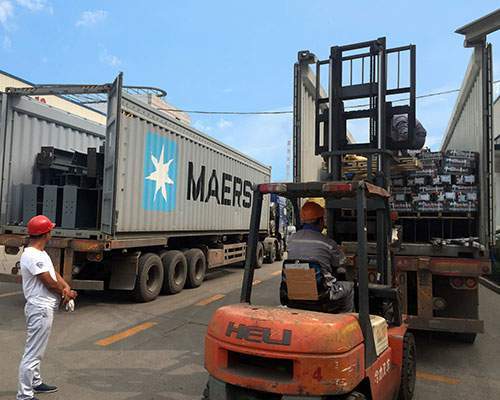
Structural steel welding is a critical process in the construction and manufacturing industries. This technique involves joining steel components to create a single, unified structure, often used in building frames, bridges, and other large structures. Understanding the importance of proper welding techniques can ensure the longevity, stability, and safety of these constructions. In this blog, we’ll explore the key benefits of mastering structural steel welding and why it is essential for any project.
The Importance of Precision in Structural Steel Welding
Precision in welding ensures the integrity of the structure, preventing potential failures that may occur due to weak joints. Properly executed welds can withstand the immense stresses placed on steel structures. With high-quality welding, the components fit together seamlessly, reducing the risk of misalignments and providing a solid foundation for further construction processes.
Enhanced Durability and Longevity of Welded Structures
One of the greatest benefits of proper structural steel welding is the durability and longevity it provides. Steel is known for its strength, but when welded correctly, it forms an even stronger bond. This significantly extends the life span of steel structures, allowing them to resist wear and tear from various environmental factors like weather, chemicals, and mechanical stress.
Improved Safety Through Proper Welding Techniques
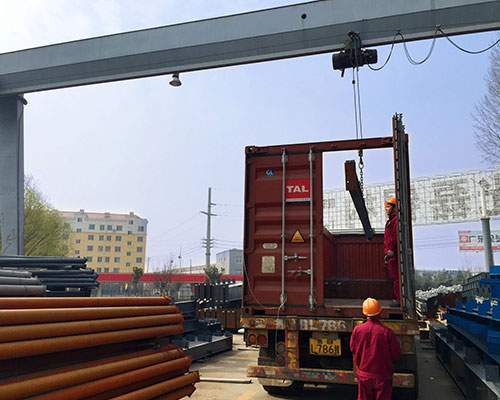
Safety is paramount in the construction of any structure, and structural steel welding plays a major role in ensuring this. Incorrect welding can lead to weak points that may fail under load, resulting in hazardous situations. Proper welding ensures that each joint meets the necessary standards, making the final product safer for both workers during construction and occupants once the structure is in use.
Cost Efficiency with Proper Welding Techniques
Though high-quality welding techniques may initially seem like a more expensive investment, they can lead to significant cost savings in the long run. Proper welding reduces the need for repairs, maintenance, and replacements that would arise from poorly executed welds. The reduced likelihood of accidents or failures further decreases potential legal and liability costs.
Flexibility and Adaptability in Complex Construction Projects
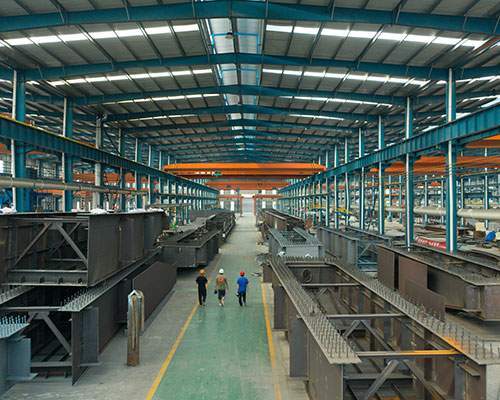
Structural steel welding offers versatility, allowing it to be used in a wide range of construction projects. Whether working with large commercial buildings, intricate bridges, or smaller residential projects, proper welding techniques ensure that the steel structure can be customized to meet the specific needs of the project. This flexibility is a major advantage in complex designs that require unique approaches.
Table: Common Structural Steel Welding Techniques and Their Benefits
| Welding Technique | Description | Primary Benefit |
|---|---|---|
| Shielded Metal Arc Welding (SMAW) | Uses a consumable electrode coated in flux to create the weld. | Suitable for heavy-duty applications, easy to use. |
| Gas Metal Arc Welding (GMAW) | Involves a continuous wire feed, combined with a shielding gas. | Faster and cleaner than SMAW, minimal cleanup required. |
| Gas Tungsten Arc Welding (GTAW) | Uses a non-consumable tungsten electrode and an inert gas. | Offers high precision, ideal for thin materials. |
| Flux-Cored Arc Welding (FCAW) | Similar to GMAW but uses a flux-cored wire. | Excellent for outdoor work, works well on thicker steel. |
| Submerged Arc Welding (SAW) | Uses a continuously fed wire and is submerged in flux. | High-speed welding, high-quality welds with minimal spatter. |
Conclusion
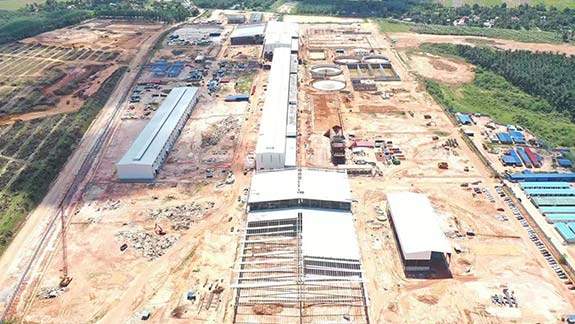
Mastering structural steel welding is essential for ensuring the strength, safety, and cost-effectiveness of a project. Whether you are working on a large-scale construction or a smaller, specialized project, employing the right welding techniques can make a significant difference. The benefits include enhanced durability, safety, flexibility, and long-term cost savings, ensuring that steel structures remain secure and reliable for years to come.
FAQ
Q1: What is the most commonly used structural steel welding technique?
The most commonly used welding technique for structural steel is Shielded Metal Arc Welding (SMAW). It is versatile and well-suited for a variety of applications.
Q2: Can structural steel welding be done in all weather conditions?
Yes, some welding techniques, such as Flux-Cored Arc Welding (FCAW), are ideal for outdoor applications and can be performed in various weather conditions, including windy or wet environments.
Q3: How can I ensure my welding is of the highest quality?
To ensure high-quality welding, it is important to use the correct technique for the material and environment, maintain the proper welding equipment, and follow industry best practices.
Q4: What should I look for in a welding professional?
Look for experience, knowledge of different welding techniques, and an understanding of the specific requirements of your project. A certified welder will also ensure that the welding process meets safety standards and regulations.
Q5: Are there any certifications required for structural steel welding?
Yes, welders typically need to have certifications such as the American Welding Society (AWS) certification, which ensures they meet the necessary standards for structural steel welding.