Welcome to My Blog!
Before we dive into the content, I’d love for you to join me on my social media platforms where I share more insights, engage with the community, and post updates. Here’s how you can connect with me:
Facebook:https://www.facebook.com/profile.php?id=61565337355573
Now, let’s get started on our journey together. I hope you find the content here insightful, engaging, and valuable.
Table of Contents
Introduction
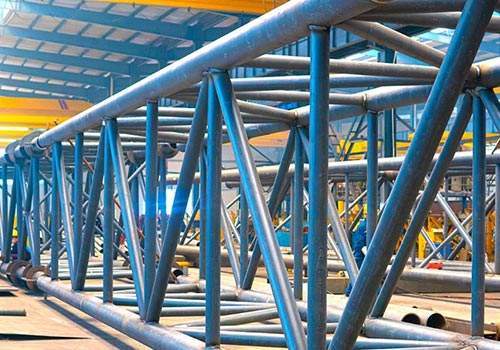
When it comes to constructing a strong, durable, and safe building, choosing the right structural steel types is crucial. Structural steel plays an essential role in providing the necessary strength and support for various types of structures, ranging from bridges to high-rise buildings. The choice of steel impacts the overall performance, longevity, and cost-efficiency of a project. With so many available options, selecting the correct type of steel can be overwhelming. In this article, we’ll explore three key points to help you make an informed decision when choosing structural steel types for your next construction project.
Understanding Structural Steel Types
What Are Structural Steel Types?
Before diving into the decision-making process, it’s important to understand what we mean by structural steel types. Structural steel refers to steel that is manufactured for the purpose of being used in construction. The material is made into specific shapes (beams, angles, plates) and has the required mechanical properties to handle the loads of buildings, bridges, and other infrastructures. There are different types of structural steel, such as carbon steel, alloy steel, and stainless steel, each offering distinct characteristics suited to particular applications.
Key Features of Different Structural Steel Types
There are several different structural steel types to choose from, each offering unique properties for specific construction needs. Here is a breakdown of common options:
- Carbon Steel: Known for its strength and hardness, carbon steel is one of the most commonly used types in construction. It’s generally more affordable than other types and can be used for a variety of load-bearing applications.
- Alloy Steel: Alloy steel is steel that’s been alloyed with other elements like chromium, nickel, or vanadium. It provides enhanced properties such as increased corrosion resistance and improved tensile strength, making it suitable for more demanding environments.
- Stainless Steel: With excellent resistance to corrosion, stainless steel is ideal for projects in environments where the material will be exposed to moisture or corrosive substances. It’s more expensive but perfect for specialized projects such as food processing plants or architectural components exposed to harsh weather.
How to Choose the Right Structural Steel Type for Your Project

Determine the Environmental Conditions
When selecting structural steel types, one of the first considerations should be the environmental conditions the material will face. For instance, if the project is located in a coastal area where saltwater exposure is inevitable, opting for a more corrosion-resistant material like stainless steel may be necessary. On the other hand, if the construction site is in a dry, inland area, carbon steel might suffice as it’s more affordable and can still handle standard structural loads.
Evaluate the Strength Requirements
Another crucial factor in choosing the right structural steel types is evaluating the strength requirements of the structure. The steel should be able to support the weight of the building or infrastructure without compromising safety. For heavier, more load-bearing structures, alloy steel may be the best choice due to its enhanced strength and durability. For lighter, less demanding projects, carbon steel may be sufficient.
Consider Cost and Budget
When determining the structural steel types for your project, the cost is always a factor. Stainless steel, with its higher corrosion resistance and strength, typically comes at a premium price. If the budget is a concern and the environmental conditions allow, carbon steel might be the most cost-effective choice. However, if the steel will need to perform in a harsh environment, investing in alloy steel or stainless steel may offer long-term savings by reducing maintenance costs.
A Comparison of Common Structural Steel Types
Here’s a simple comparison of the three common structural steel types in terms of their key features:
| Steel Type | Strength | Corrosion Resistance | Cost | Typical Uses |
|---|---|---|---|---|
| Carbon Steel | High | Low | Low | Buildings, bridges, standard load-bearing |
| Alloy Steel | Very High | Moderate to High | Moderate | Heavy-duty structures, machinery, equipment |
| Stainless Steel | High | Very High | High | Food processing, coastal structures, harsh environments |
Benefits of Using the Right Structural Steel Type
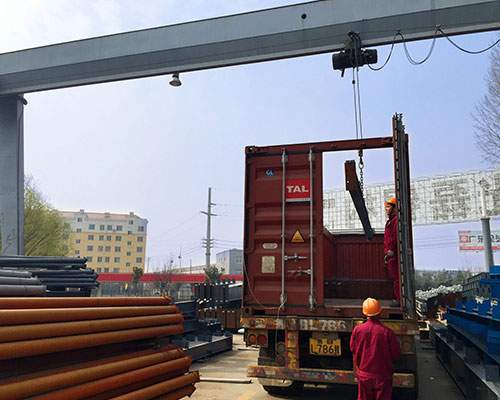
Enhanced Durability
Choosing the correct structural steel type ensures that the structure will be durable and resilient against environmental stresses. For example, stainless steel will last longer in marine environments, reducing the need for frequent maintenance and replacements.
Cost Efficiency in the Long Run
While it may be tempting to opt for the cheapest material, it’s important to factor in the long-term costs of your project. Alloy steel or stainless steel may have a higher initial cost but can save money in the long run due to their enhanced properties, such as reduced corrosion or higher strength, leading to fewer repairs.
Safety and Compliance
Certain structural steel types may be required to meet specific safety standards and compliance regulations. For example, alloy steel’s enhanced strength makes it ideal for high-rise buildings or bridges that need to support heavy loads. Selecting the appropriate steel ensures your project meets the necessary safety standards and regulations.
Conclusion
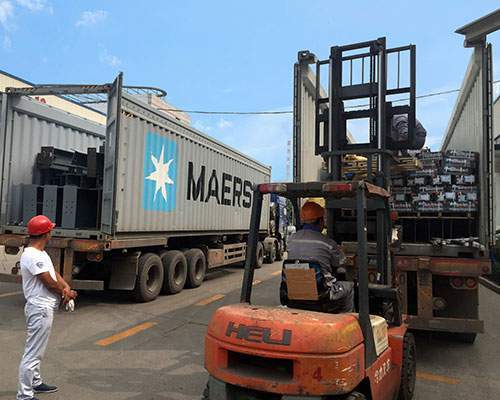
Choosing the right structural steel type is crucial for the success of your construction project. Whether you are working on a residential building, commercial complex, or infrastructure project, understanding the environmental conditions, strength requirements, and budget constraints will guide you to the best decision. While carbon steel is the most cost-effective option, alloy steel and stainless steel offer superior strength and corrosion resistance, making them ideal for demanding environments. By carefully considering these factors, you can ensure that your structure is not only safe and durable but also cost-efficient in the long term.
FAQ
What are the most common types of structural steel?
The most common structural steel types include carbon steel, alloy steel, and stainless steel. Each type has its own set of properties that make it suitable for different applications.
How do I know which structural steel type to choose?
You should consider factors like environmental conditions (corrosion resistance), strength requirements, and budget when selecting the right structural steel type. Additionally, the intended use of the material should influence your choice.
Can I use carbon steel for all construction projects?
While carbon steel is versatile and affordable, it might not be suitable for projects exposed to harsh environments where corrosion resistance is necessary. In such cases, alloy steel or stainless steel might be better options.
What is the most cost-effective structural steel?
Carbon steel is typically the most cost-effective structural steel type. However, for long-term savings, especially in environments with corrosive elements, investing in alloy steel or stainless steel might prove more economical in the long run.
How does strength differ between steel types?
Alloy steel typically offers the highest strength, followed by stainless steel, which combines strength with excellent corrosion resistance. Carbon steel is strong enough for many applications but may not be suitable for more demanding uses.