Welcome to My Blog!
Before we dive into the content, I’d love for you to join me on my social media platforms where I share more insights, engage with the community, and post updates. Here’s how you can connect with me:
Facebook:https://www.facebook.com/profile.php?id=61565337355573
Now, let’s get started on our journey together. I hope you find the content here insightful, engaging, and valuable.
Table of Contents
Introduction

C type steel beams are widely used in modern construction due to their exceptional strength, versatility, and cost-effectiveness. These beams are typically made from high-quality steel and are shaped in a “C” configuration, which allows them to provide significant structural support in a wide range of applications. Whether you’re building commercial structures, residential homes, or industrial facilities, C type steel beams offer a variety of benefits that make them a popular choice for construction projects worldwide.
In this article, we’ll explore the key benefits of using C type steel beams in construction. From their durability to their flexibility in design, C type steel beams can provide long-term solutions for structural integrity. We’ll also discuss some important considerations when choosing C type steel beams for your next project.
Why Choose it for Your Construction Projects
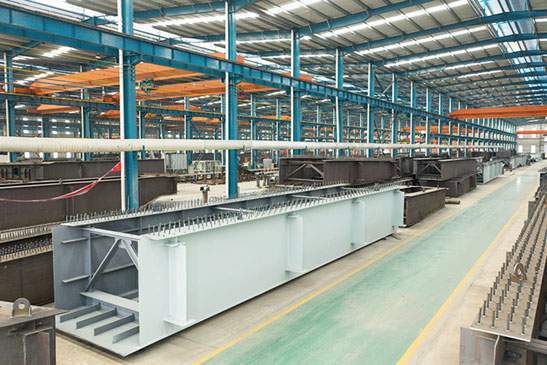
C type steel beams are designed to provide superior support and stability, making them ideal for heavy-load applications. Their unique design and material composition offer several advantages, which contribute to their growing popularity in the construction industry. Here are some of the key reasons why choosing C type steel beams for your construction projects is a smart decision:
Exceptional Strength and Durability
C type steel beams are known for their remarkable strength, which makes them suitable for heavy-duty applications. These beams can withstand significant loads, which is essential for large-scale construction projects. The steel material used in C type beams also ensures long-term durability, making them resistant to wear and tear over time. This quality helps reduce maintenance costs, as the beams require minimal repairs or replacements compared to other materials.
Cost-Effectiveness
One of the primary benefits of C type steel beams is their cost-effectiveness. Compared to other types of steel beams, C type beams are often more affordable, making them a budget-friendly choice for construction. The manufacturing process for these beams is less complex, which results in lower production costs. Additionally, their durability ensures that long-term maintenance costs are kept to a minimum, offering excellent value for money.
Flexibility in Design and Application
C type steel beams offer significant flexibility in design, making them suitable for a variety of construction projects. They can be used in both residential and commercial buildings, as well as in infrastructure projects like bridges, warehouses, and factories. The beams can be customized to meet specific load-bearing requirements and can easily be incorporated into various building designs. This versatility makes them a preferred choice for architects and engineers.
Lightweight and Easy to Handle
While C type steel beams are strong, they are also relatively lightweight compared to other types of beams. This characteristic makes them easier to handle during transportation and installation. The reduced weight of the beams helps to lower shipping costs and simplifies the process of hoisting and placing the beams into position. This can lead to faster construction times, ultimately reducing labor costs.
Resistance to Environmental Factors
C type steel beams are highly resistant to environmental factors, such as extreme temperatures, humidity, and corrosive substances. This makes them ideal for use in outdoor and industrial environments where other materials might deteriorate quickly. The corrosion resistance of C type steel beams ensures that they maintain their structural integrity even in challenging weather conditions. This resistance to the elements extends the lifespan of the beams, offering long-term value for construction projects.
Key Considerations When Choosing These

When selecting C type steel beams for your construction project, there are several factors to consider to ensure the beams meet your specific needs. Below are some important considerations:
- Load-Bearing Capacity: Ensure that the beams you choose are designed to handle the weight requirements of your project. This may vary depending on the type of structure you are building and the materials used.
- Size and Dimensions: C type steel beams come in various sizes and dimensions, so it’s crucial to choose the right beam size to ensure adequate support. Consult with an engineer to determine the best dimensions for your project.
- Corrosion Protection: Depending on the environment in which the beams will be used, you may need to apply additional coatings or treatments to protect against rust and corrosion. For projects in coastal or industrial areas, corrosion-resistant coatings are particularly important.
C Type Steel Beam vs. Other Steel Beams: A Comparison
While C type steel beams have distinct advantages, it’s important to understand how they compare to other types of steel beams, such as I-beams and H-beams. Below is a comparison of C type steel beams with other common types of steel beams used in construction.
| Feature | C Type Steel Beam | I Beam | H Beam |
|---|---|---|---|
| Load-Bearing Capacity | Moderate | High | High |
| Weight | Light | Heavy | Heavy |
| Flexibility in Design | High | Moderate | Moderate |
| Durability | High | High | High |
| Cost-Effectiveness | High | Moderate | Moderate |
Applications of these in Construction
C type steel beams are widely used across various types of construction projects. Here are some common applications:
- Residential Buildings: C type steel beams are often used to support the framing in residential homes, especially in areas where large open spaces are required without the need for numerous internal support columns.
- Commercial Buildings: In commercial construction, C type steel beams provide the necessary support for multi-story buildings, ensuring structural integrity while offering flexibility for different floor plans.
- Industrial Facilities: In warehouses, factories, and other industrial settings, C type steel beams are used to create sturdy frameworks that can support heavy machinery and equipment.
- Bridges and Infrastructure: C type steel beams are also used in bridge construction due to their ability to handle significant weight and their resistance to environmental factors.
Conclusion
C type steel beams offer numerous benefits for construction projects, from their exceptional strength and durability to their cost-effectiveness and flexibility in design. Their lightweight nature and resistance to environmental factors make them an ideal choice for a wide range of applications, ensuring long-term value and structural integrity. Whether you’re building a home, a commercial facility, or an industrial structure, choosing C type steel beams can help ensure that your project is a success. With the right considerations and proper installation, C type steel beams can provide the stability and reliability you need for your construction needs.
FAQ
How do I determine the right size of it for my project?
To determine the appropriate size of a C type steel beam, you need to consider factors such as the load-bearing requirements, the span of the beam, and the type of structure you’re building. Consulting with a structural engineer will help ensure that you select the correct size and design for your project.
Can it be used for both residential and commercial projects?
Yes, C type steel beams are versatile and can be used for both residential and commercial construction. They provide strong support for a variety of building types, making them a popular choice for different applications.
Are these resistant to rust and corrosion?
C type steel beams are highly resistant to corrosion, but additional coatings or treatments may be required for projects in environments prone to high humidity or exposure to chemicals. Applying protective coatings can further enhance their resistance to rust.