A steel structure workshop is not only a building for production. It is the physical system that controls how materials enter, how workers move, how equipment is arranged, how finished goods leave, and how easily the business can expand in the future. For industrial companies, a poorly planned workshop can create daily inefficiency, while a well-designed steel workshop can improve workflow, safety, storage, installation speed, and long-term maintenance.
Many buyers focus first on building size, but the better question is: what should the workshop help your business do every day? A steel structure workshop can be used for manufacturing, assembly, equipment maintenance, steel processing, agricultural machinery repair, packaging, logistics support, or mixed industrial operations. This guide explains how to plan a steel workshop from a practical project perspective, with attention to layout, structure, enclosure, ventilation, durability, safety, and future expansion.
Table of Contents
What Is a Steel Structure Workshop?
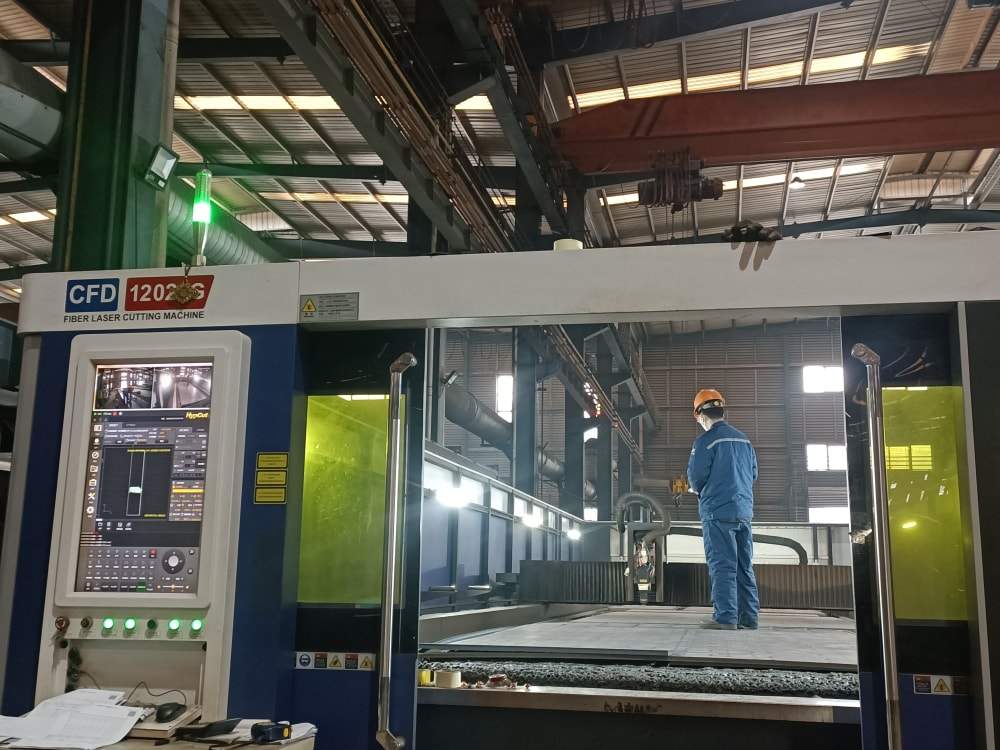
A steel structure workshop is an industrial building that uses steel columns, steel beams, trusses, bracing, purlins, roof panels, wall panels, and connection systems as the main structural framework. Compared with traditional heavy masonry buildings, steel workshops are often preferred for industrial projects because they can provide wide spans, fast assembly, flexible layouts, and strong adaptability for different production needs.
The main structure usually includes primary load-bearing members such as columns and beams. Secondary members such as purlins, girts, and bracing help support the roof and wall system. The enclosure system protects the interior from weather, while doors, windows, vents, skylights, gutters, and insulation are selected based on the actual use environment.
For project planning, buyers can first review the available steel structure products to understand the typical components used in industrial workshop buildings.
Why Workshop Design Should Start With Production Flow
The biggest mistake in steel structure workshop planning is treating the building as an empty box. A workshop should be designed around production flow, not only around length, width, and height.
Before confirming the structure, the project team should map the movement of raw materials, equipment, workers, semi-finished products, finished products, forklifts, trucks, and maintenance staff. This step helps avoid blocked aisles, inefficient loading areas, poor storage access, and unsafe equipment zones.
| Workshop Planning Question | Why It Matters |
|---|---|
| What materials enter the workshop? | Determines door size, unloading area, and storage zone |
| What production process happens inside? | Affects bay layout, equipment position, and clear space |
| Will cranes or lifting equipment be used? | Influences column strength, beam design, and clear height |
| Are forklifts or trucks entering the building? | Affects floor routes, door width, and turning space |
| Is temperature or noise control required? | Influences wall panel, roof panel, and ventilation choices |
| Will the workshop expand later? | Affects frame direction and reserved connection points |
| How many workers use the space daily? | Impacts ventilation, lighting, safety exits, and comfort |
A steel workshop that supports smooth production flow can reduce wasted movement and improve daily efficiency. This is especially important for factories that handle large components, heavy materials, or frequent inbound and outbound logistics.
Choosing the Right Structural System
The structural system determines how the workshop performs under load, how much open space is available, and how easily the building can be installed. For many industrial workshops, portal frame structures are widely used because they provide large open areas and efficient assembly. For larger spans or special layouts, truss beams or heavy-duty steel columns may be required.
A good structural choice depends on building use, local wind conditions, roof load, crane requirements, equipment position, and expansion plans.
| Structural Option | Suitable Workshop Use | Main Advantage |
| Portal frame | Standard production workshop, warehouse workshop, assembly building | Efficient structure with open interior space |
| H beam frame | Industrial workshop with stronger load requirements | Good bending resistance and stable load-bearing performance |
| Truss beam system | Large-span workshop or equipment-heavy production area | Helps reduce internal columns and create wider space |
| Multi-bay frame | Large factory with separated production lines | Supports multiple zones under one roof |
| Box column or special column system | Heavy-duty industrial buildings | Improves load capacity and structural stiffness |
For many workshop projects, H Beam is used as an important structural member because it offers strong bending resistance and practical construction efficiency. For wide-span or column-reduced workshop layouts, Truss Beam can help create more flexible interior space.
Span, Height, and Column Grid: The Core Layout Decisions
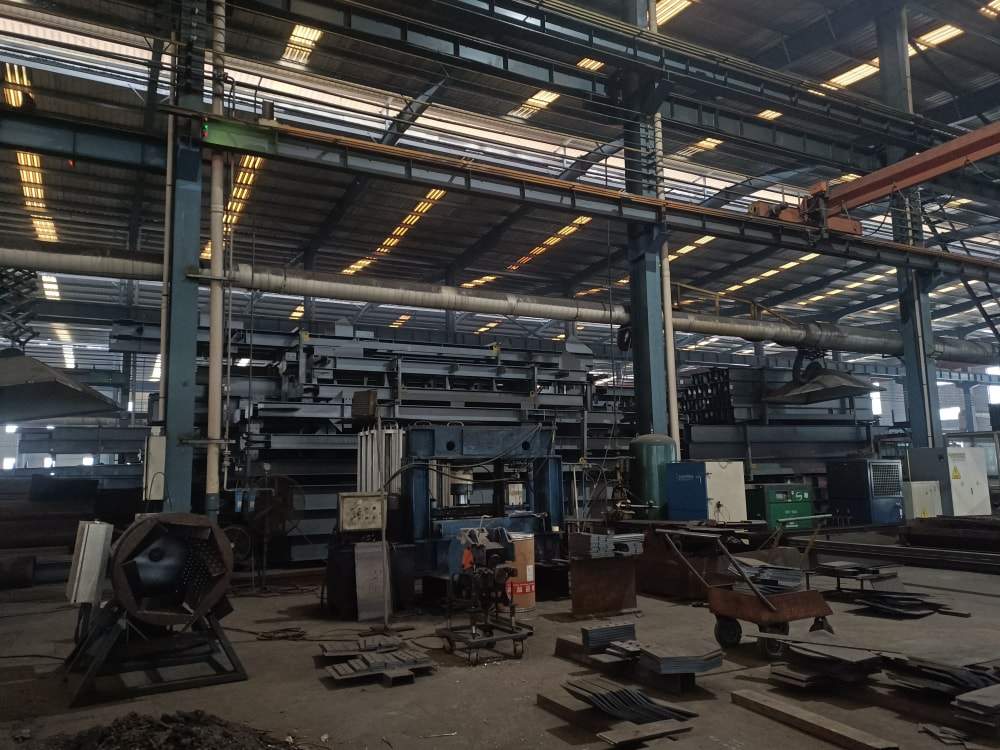
Span, height, and column grid are three of the most important design decisions in a steel structure workshop.
Span affects the usable floor area. A larger span can create a more open workshop, which is useful for production lines, equipment movement, and flexible layout changes. However, very large spans must be designed carefully because they affect steel member size, roof support, wind resistance, and installation requirements.
Height affects equipment clearance, ventilation, crane use, storage options, and worker comfort. If the workshop needs overhead lifting, tall machinery, mezzanine areas, or high ventilation volume, the clear height should be planned early.
Column grid affects workflow. Poor column placement can interrupt production lines, block forklifts, reduce equipment flexibility, and create safety risks. A good column grid should match the actual production process instead of following a standard layout blindly.
| Design Factor | Practical Impact |
| Clear span | Controls how open and flexible the workshop feels |
| Clear height | Affects equipment, cranes, ventilation, and future upgrades |
| Column spacing | Influences production line layout and traffic routes |
| Roof slope | Impacts drainage and roof panel performance |
| Bay arrangement | Helps divide production, storage, and loading areas |
| Expansion direction | Determines how the workshop can grow later |
In single-storey industrial buildings, portal frames are commonly used for wide, open layouts, and cladding systems often include rooflights, vents, gutters, and other accessories. This makes early coordination between the main frame and enclosure system very important.
Plan Equipment and Crane Requirements Before Steel Fabrication
If the workshop will include cranes, heavy machinery, welding stations, cutting machines, assembly lines, or maintenance equipment, these requirements must be considered before fabrication begins. Adding major equipment later can be difficult if the structure was not designed for it.
Crane planning is especially important. The structure may need stronger columns, crane beams, brackets, bracing, and foundation coordination. The clear height must allow enough lifting space, and the crane path should not conflict with doors, lighting, ventilation ducts, or production lines.
| Equipment Requirement | Structural Design Impact |
| Overhead crane | Requires crane beam, stronger columns, and clear lifting height |
| Heavy production machinery | May require foundation coordination and vibration control |
| Welding or cutting area | Needs ventilation, fire planning, and safe separation |
| Assembly line | Requires long, open, obstruction-free space |
| Maintenance bay | Needs lifting clearance and easy access |
| Material storage | Affects floor load, aisle width, and column layout |
The safest approach is to list all equipment, movement routes, maintenance access needs, and possible future upgrades before final design. This helps the steel workshop remain useful as production capacity grows.
Roof and Wall Panels Affect Comfort, Energy Use, and Durability
The roof and wall system should match the workshop’s working environment. For a basic workshop, single-layer color steel sheets may be enough. For workshops where workers stay for long hours, temperature control, sound reduction, and insulation may be more important.
If the workshop is located in a hot, humid, rainy, or coastal region, enclosure design becomes even more critical. Roof slope, gutter capacity, panel overlap, flashing, sealant, and corrosion protection all affect long-term performance.
| Enclosure Option | Suitable Use | Main Benefit |
| Single color steel sheet | Basic workshop enclosure | Lightweight and fast to install |
| Color steel sandwich panel | Insulated production workshop | Better temperature and sound control |
| Rock wool sandwich panel | Workshop with higher fire-resistance needs | Improved fire and acoustic performance |
| Polyurethane sandwich panel | Temperature-sensitive workshop | Strong thermal insulation |
| Skylight or daylighting panel | Workshop needing natural light | Reduces dependence on artificial lighting |
| Ventilation louver or ridge vent | Hot or high-airflow workshop | Improves air exchange |
For workshops that require insulation, faster installation, and better indoor comfort, Color Steel Sandwich Panel can be considered as part of the roof and wall enclosure system.
Ventilation, Lighting, and Worker Comfort Should Not Be Added Later
A workshop may be structurally strong but still uncomfortable or inefficient if ventilation and lighting are poorly planned. Industrial workshops often generate heat, dust, fumes, humidity, or noise. These conditions should be addressed during building design, not after production starts.
Good ventilation can include ridge vents, wall louvers, exhaust fans, natural airflow paths, or mechanical ventilation systems. Lighting design may include rooflights, side windows, LED high-bay lights, and task lighting near specific workstations. Worker comfort also depends on temperature, noise control, safety exits, rest zones, and clear signage.
| Comfort Factor | Design Recommendation |
| Heat buildup | Use roof ventilation, insulation, and airflow planning |
| Poor visibility | Combine natural daylight and efficient industrial lighting |
| Dust or fumes | Separate process zones and plan exhaust systems |
| Noise | Use insulated panels or acoustic planning where needed |
| Worker movement | Keep walkways clear and separate from forklift routes |
| Emergency access | Plan exits, signage, and safe evacuation routes |
A steel structure workshop should support both machines and people. When workers can move safely and work comfortably, the building contributes directly to productivity.
Structural Safety and Code Review Are Essential
Every steel structure workshop must be designed according to local building codes and actual project loads. These may include dead load, live load, wind load, seismic load, crane load, roof load, equipment load, and service conditions.
Important review items include:
| Review Area | What Should Be Checked |
| Load calculation | Wind, seismic, roof, crane, and equipment loads |
| Steel member design | Column, beam, truss, purlin, and bracing capacity |
| Connection details | Bolts, welds, plates, and node design |
| Foundation coordination | Anchor bolt position and base plate layout |
| Fire safety | Fire resistance, escape routes, and local requirements |
| Erection safety | Lifting sequence, temporary bracing, and fall protection |
| Quality control | Material certificates, weld inspection, and dimensional checking |
For technical reference, the American Institute of Steel Construction develops widely recognized structural steel specifications and technical guidance. For steel installation safety, the OSHA steel erection standard provides requirements related to hazards in steel erection activities.
Even if your project follows another regional standard, these resources show the level of engineering and safety attention that should be applied to industrial steel workshop projects.
Corrosion Protection and Maintenance Planning
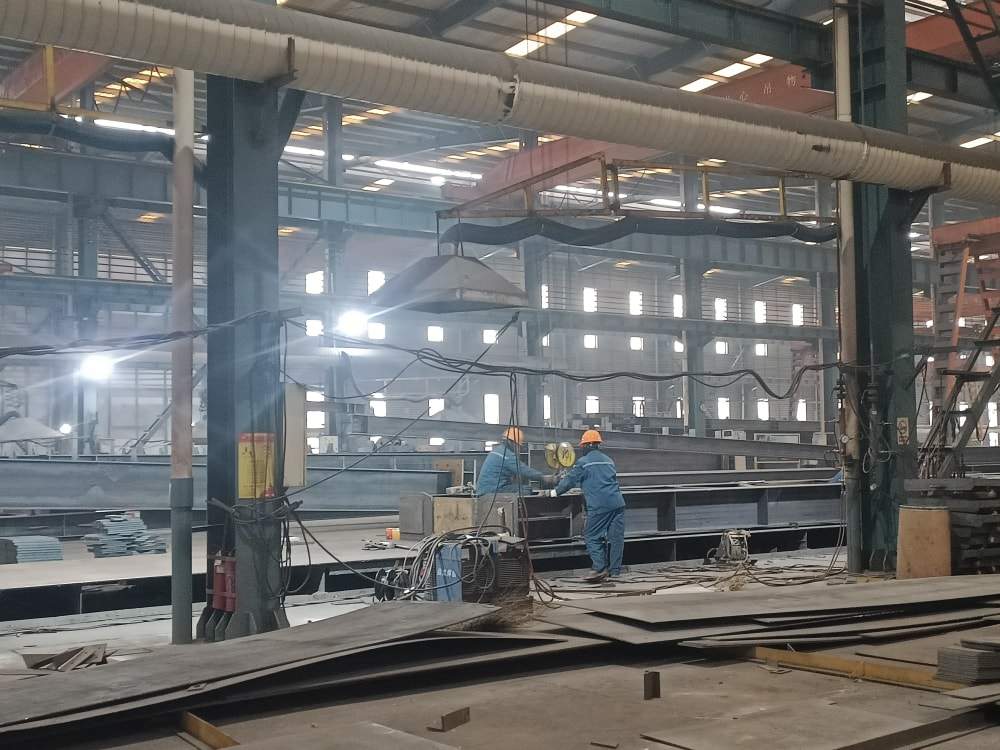
A steel structure workshop is a long-term industrial asset. Its durability depends on steel quality, surface preparation, coating system, drainage design, ventilation, and regular inspection.
Corrosion protection is especially important for workshops located in humid, coastal, chemical, agricultural, or high-rainfall environments. The correct coating system should be selected according to environmental exposure, indoor process conditions, and maintenance expectations.
| Risk Condition | Recommended Planning Focus |
| Coastal humidity | Stronger anti-corrosion coating and regular inspection |
| Heavy rainfall | Reliable roof drainage and waterproof detailing |
| Chemical exposure | Special coating and ventilation planning |
| High indoor humidity | Moisture control and condensation prevention |
| Dusty production | Easy-clean surfaces and accessible maintenance areas |
| Outdoor loading zones | Weather-resistant details and protective canopies |
Maintenance should not be treated as a future problem. Walkways, inspection access, drainage points, roof edges, bolts, gutters, and panel joints should be easy to check. A workshop that is easier to inspect is usually easier to maintain.
Steel also supports circular construction thinking because it can be designed for durability, reuse, and recycling. The World Steel Association discusses steel’s role in circular economy strategies, including durability, reuse, remanufacturing, and recycling.
Fabrication Quality Controls the Installation Result
A steel structure workshop depends heavily on factory fabrication quality. If cutting, drilling, welding, marking, coating, or packaging is inaccurate, the installation team may face delays and corrections on site.
A professional fabrication process should include material checking, detailed drawings, cutting, drilling, welding, surface treatment, trial assembly when needed, member numbering, and protective packaging. Clear labels help installers identify each component quickly.
| Fabrication Step | Why It Matters |
| Material inspection | Confirms steel grade and project specification |
| Accurate cutting | Improves member fit and reduces on-site modification |
| Drilling and punching | Helps bolt connections align correctly |
| Welding control | Protects structural strength and consistency |
| Surface treatment | Improves coating adhesion and corrosion resistance |
| Component marking | Speeds up site assembly |
| Packaging protection | Reduces transport damage |
Guanglei Steel Structure is positioned as a steel structure supplier integrating design, production, and installation, with production capability for large-scale steel structure projects. Buyers can review foreign cases to understand typical overseas industrial building applications.
Installation Planning: The Hidden Factor Behind Project Success
Many workshop projects lose time during installation because the site is not fully prepared. Even if the steel components are fabricated correctly, the installation process still depends on foundation accuracy, lifting equipment, site access, weather, labor coordination, and safety management.
Before installation, the project team should confirm:
| Site Preparation Item | Why It Is Important |
| Foundation and anchor bolts | Prevents alignment problems during column erection |
| Crane access | Ensures safe lifting of steel members |
| Material storage area | Keeps components organized and protected |
| Installation sequence | Reduces rework and improves safety |
| Temporary bracing | Keeps frames stable during erection |
| Weather plan | Avoids risky lifting during strong wind or heavy rain |
| Panel installation plan | Improves roof and wall system performance |
| Final inspection | Confirms bolts, panels, gutters, doors, and sealing |
A good installation plan should be prepared before the first truck arrives. This is especially important for overseas steel structure projects, where communication, packaging, drawings, and installation guidance must be clear.
Designing for Expansion and Future Production Changes
A steel structure workshop should not only serve current production. It should also leave room for future change. Industrial companies often add machines, increase storage, expand production lines, or change product categories. If the workshop is not prepared for these changes, expansion may become expensive and disruptive.
Future-ready workshop design may include:
| Future Need | Design Strategy |
| Longer production line | Reserve building extension direction |
| More storage | Plan higher clear height or mezzanine possibility |
| Additional crane | Consider structural allowance early |
| New loading area | Leave side access or end-wall planning space |
| More workers | Prepare ventilation, exits, and lighting capacity |
| Larger equipment | Avoid overly tight column spacing |
For many buyers, future flexibility is one of the strongest reasons to choose a steel structure workshop. Steel frames can often be extended more easily than many traditional building systems, provided that expansion is considered from the beginning.
Example: A Practical Layout for a Manufacturing Workshop
A manufacturing company planning a steel structure workshop may need space for raw material storage, cutting, welding, assembly, quality inspection, finished goods storage, and loading. Instead of placing these zones randomly, the layout should follow the production sequence.
A practical layout may look like this:
| Zone | Recommended Position | Planning Logic |
| Raw material receiving | Near main truck entrance | Reduces unloading distance |
| Raw material storage | Close to first processing area | Improves production flow |
| Cutting or preparation area | Before welding or assembly | Keeps workflow linear |
| Welding or fabrication area | Central production zone | Allows flexible movement |
| Assembly area | After fabrication | Supports product completion |
| Quality inspection | Near finished goods area | Prevents unqualified goods from shipping |
| Finished goods storage | Near loading exit | Speeds outbound logistics |
| Office or control room | Near entrance but separated from production | Improves management and safety |
This kind of layout helps the steel workshop work as a complete production system. It also makes it easier to plan doors, ventilation, lighting, crane coverage, and forklift routes.
Buyer Checklist Before Confirming a Steel Structure Workshop
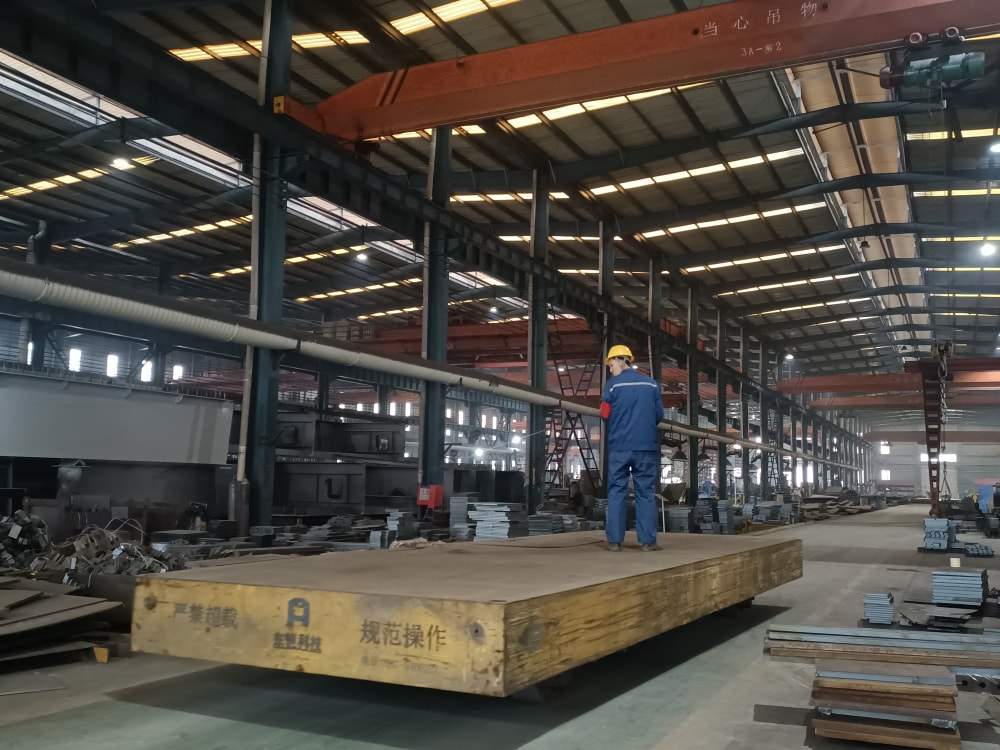
Before placing an order or finalizing drawings, buyers should review the following checklist:
| Checklist Item |
| Building use and production process are clearly defined |
| Span, height, and column spacing match equipment layout |
| Crane or lifting requirements are confirmed |
| Local wind, rain, seismic, and environmental conditions are considered |
| Roof and wall panel system matches insulation and durability needs |
| Ventilation and lighting are planned according to worker needs |
| Corrosion protection is selected for the site environment |
| Foundation and anchor bolt details are coordinated |
| Installation sequence and site access are reviewed |
| Future expansion direction is reserved |
| Supplier can provide drawings, fabrication, packaging, and technical support |
| Contact and inquiry information are ready for technical discussion |
If you are preparing a workshop project, you can contact Guanglei Steel Structure with your building size, site location, workshop use, crane needs, and expected layout.
FAQ
What is a steel structure workshop used for?
A steel structure workshop can be used for manufacturing, assembly, equipment maintenance, metal processing, agricultural machinery repair, logistics support, storage, packaging, and other industrial operations.
Why choose steel for an industrial workshop?
Steel is suitable for industrial workshops because it supports wide spans, flexible layouts, fast installation, strong structural performance, and easier future expansion when designed properly.
What should I confirm before designing a steel workshop?
You should confirm the workshop use, equipment layout, span, height, crane requirements, local climate, wind and seismic conditions, wall and roof panel needs, installation plan, and future expansion direction.
Can a steel structure workshop support overhead cranes?
Yes. A steel workshop can be designed for overhead cranes, but crane capacity, lifting height, crane beam, column design, bracing, and foundation coordination must be planned before fabrication.
Which roof and wall panels are suitable for a steel workshop?
The choice depends on the working environment. Basic workshops may use single color steel sheets, while insulated workshops often use sandwich panels with EPS, PU, PIR, or rock wool core materials.
How can I make a steel workshop more comfortable for workers?
Plan ventilation, natural lighting, insulation, noise control, safe walkways, clear traffic routes, emergency exits, and proper separation between production zones and worker areas.
Can a steel structure workshop be expanded later?
Yes, but expansion should be considered during the original design. The frame direction, end-wall design, column grid, roof system, and reserved connection points should be planned early.
Conclusion
A steel structure workshop is much more than an industrial building shell. It is a production platform that affects workflow, equipment layout, worker safety, installation speed, energy performance, maintenance, and future business growth. The most successful workshop projects begin with operational planning, not only structural dimensions.
By considering production flow, span, height, column spacing, crane requirements, roof and wall panels, ventilation, corrosion protection, installation conditions, and future expansion, buyers can create a workshop that performs well for many years. A well-designed steel workshop can support daily production, reduce layout limitations, and help businesses adapt as their operations grow.
For your next workshop, warehouse, factory, or industrial building project, explore Guanglei’s steel structure products or send your project requirements for technical support.