If you are currently sourcing a steel truss system for an ongoing project, or comparing different suppliers for industrial construction, we can support you with technical drawings review, structural proposal, and manufacturing feasibility assessment. Share your project requirements, and our engineering team will help evaluate the most suitable steel truss solution based on span, load conditions, and application environment.
Table of Contents
Introduction

In industrial and commercial construction, steel truss systems have quietly become one of the most practical structural solutions. They are not new, but the way they are designed and manufactured today is very different from traditional methods. Faster project cycles, larger building spans, and stricter safety expectations have all pushed contractors to rely more on factory-produced steel truss systems.
At the center of this shift is the steel truss manufacturer. Not just a supplier, but a technical partner responsible for turning structural drawings into real load-bearing frameworks. Whether it is a warehouse, production plant, or logistics hub, the quality of the manufacturer often determines how smooth the entire construction process will be.
This article takes a practical look at how to evaluate a steel truss manufacturer, what really matters in production, and how buyers can avoid common selection mistakes that lead to delays or structural issues later in the project.
Why Steel Truss Systems Are Now the Default Choice for Large-Span Buildings
If you look at modern industrial buildings, one pattern becomes obvious: open space is becoming more important than internal columns. This is where steel truss structures perform well.
Instead of relying on heavy solid beams, trusses distribute loads through a geometric framework. The result is a structure that is lighter in material usage but stronger in span capability.
In real construction practice, this translates into:
- Fewer internal supports
- More usable floor space
- Faster structural assembly
- Better adaptability for future expansion
For contractors and project owners, these benefits are not theoretical—they directly impact construction planning and operational efficiency.
What Actually Happens Inside a Steel Truss Manufacturer’s Facility
Many buyers see only the finished truss arriving on site, but the manufacturing process behind it is where most of the value is created.
A professional steel truss manufacturer typically works through a controlled engineering workflow rather than simple fabrication.
From drawings to production reality
The process usually begins with structural interpretation. Engineering teams review architectural drawings, check load requirements, and adjust the truss design where needed to ensure structural feasibility.
Material selection is not random
Steel is selected based on strength requirements, environmental exposure, and project type. For example, industrial facilities exposed to humidity or outdoor conditions often require enhanced surface protection strategies.
Fabrication with controlled precision
Cutting, welding, and assembly are done under factory conditions. This is where consistency matters most. Even small deviations in welding quality or alignment can affect load distribution in large-span structures.
Final inspection before shipment
Before leaving the factory, components are checked for dimensional accuracy, weld integrity, and surface treatment quality. This step is often overlooked by inexperienced suppliers but is critical for structural safety.
Different Types of Steel Truss Systems Used in Real Projects
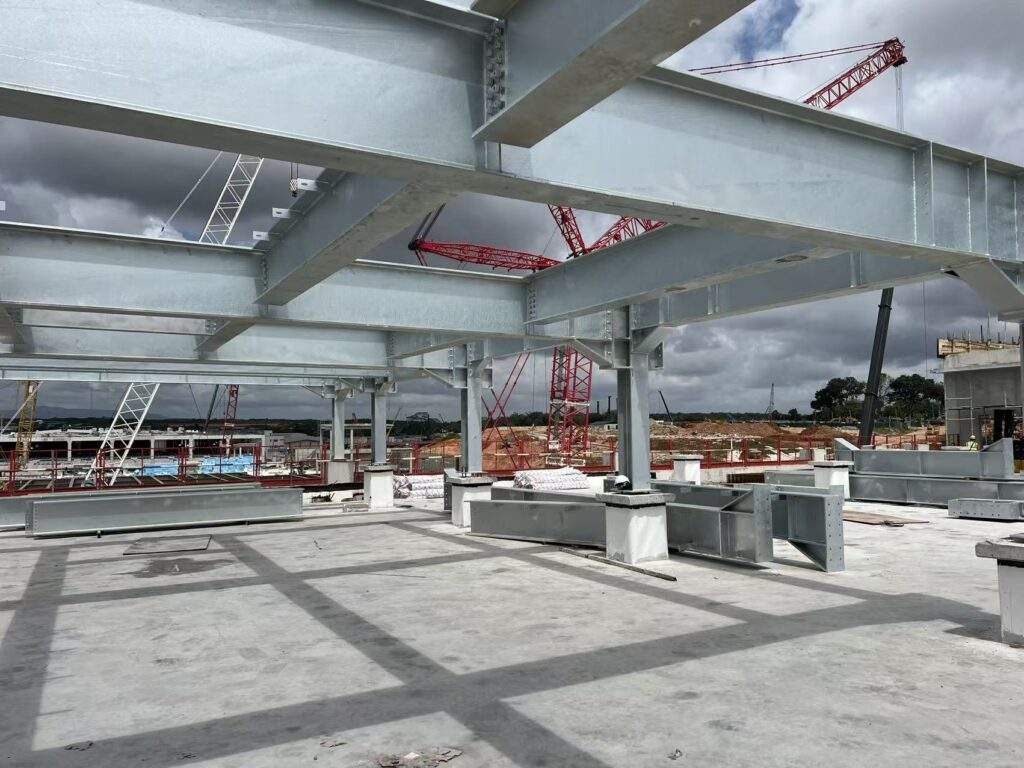
Steel trusses are not a one-size-fits-all product. Their design depends heavily on the building type and structural demand.
In practice, manufacturers produce several common configurations:
- Roof truss systems for industrial buildings
- Long-span trusses used in warehouses and logistics centers
- Prefabricated modular truss units for faster installation
- Welded truss structures for heavy-duty load environments
- Customized truss systems designed for architectural complexity
Each type solves a different engineering problem, which is why customization capability is often a key indicator of manufacturer strength.
The Difference Between a Manufacturer and a Basic Fabrication Workshop
This is where many purchasing decisions go wrong.
At first glance, fabrication workshops and manufacturers may look similar because both produce steel components. But the internal capability gap is significant.
A true steel truss manufacturer operates with:
- Engineering-driven production planning
- Standardized fabrication processes
- Quality control at every production stage
- Equipment designed for structural steel precision
In contrast, smaller workshops often rely on manual interpretation of drawings and limited inspection systems. This can lead to inconsistencies that only become visible during installation.
For industrial-scale projects, this difference becomes critical.
How to Evaluate a Steel Truss Manufacturer Before Making a Decision
Choosing a supplier should feel more like technical evaluation than simple procurement.
Instead of focusing on marketing claims, experienced buyers usually look at a few practical indicators:
- Whether the manufacturer has in-house engineering capability
- How detailed their structural review process is
- Whether production is standardized or project-dependent
- The level of welding and fabrication control
- Experience with export or large industrial projects
- Ability to handle customized structural requirements
One useful approach is to request a technical breakdown of how a project will be executed, not just a quotation. The depth of the response often reveals more than any brochure.
Common Engineering and Procurement Mistakes Buyers Make
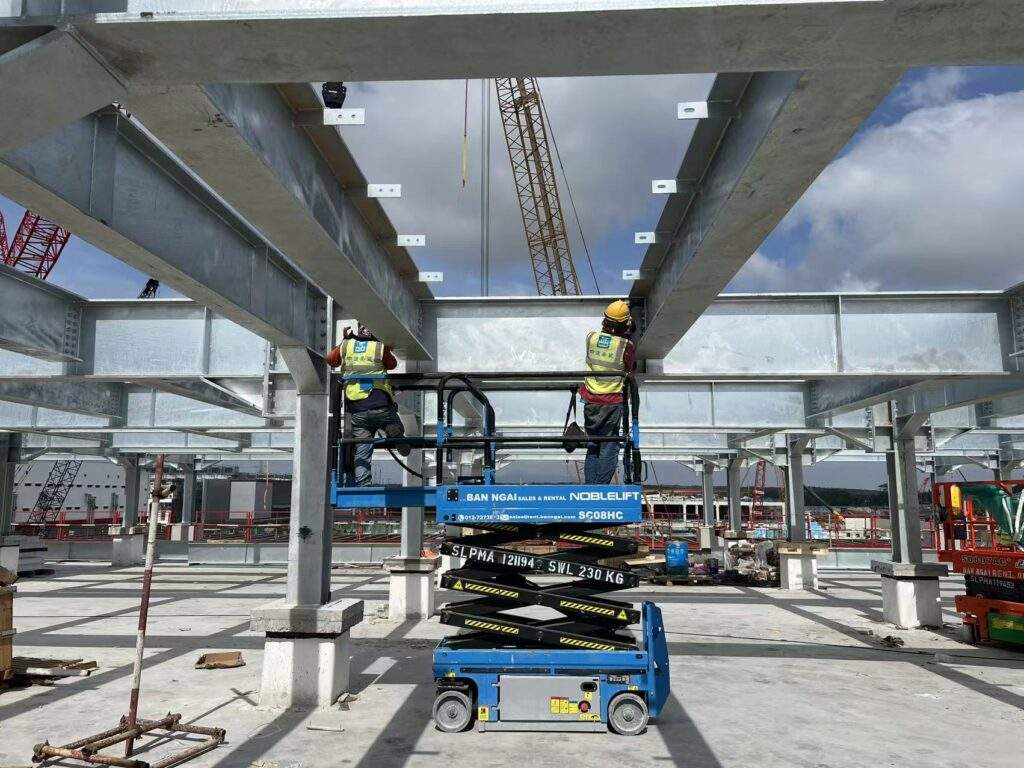
Many issues in steel structure projects do not come from design flaws but from early-stage supplier selection.
Some of the most frequent problems include:
- Choosing suppliers based only on initial communication speed
- Overlooking structural engineering capability
- Not verifying production consistency across multiple batches
- Ignoring surface treatment standards for corrosion resistance
- Underestimating the importance of fabrication accuracy
These issues may not appear immediately, but they often show up during installation or after the structure is in use.
Where Steel Truss Systems Are Being Used More Aggressively Today
Demand for steel truss structures is no longer limited to traditional factories.
Current application trends show strong growth in:
- Logistics and distribution hubs requiring open storage space
- Industrial plants with automated production lines
- Agricultural storage facilities with ventilation needs
- Commercial buildings with flexible interior layouts
- Transportation infrastructure with long-span roofing systems
What connects all these projects is a need for uninterrupted interior space combined with structural stability.
What Makes a Steel Truss Manufacturer Worth Working With Long-Term
In long-term construction supply chains, consistency matters more than anything else.
A reliable manufacturer is usually recognized not by a single project, but by repeatability in performance. That includes:
- Stable production quality across multiple orders
- Predictable engineering outcomes
- Clear communication during design adjustments
- Ability to scale production when project size increases
- Technical support during installation stages
Over time, these factors reduce project risk far more than small differences in initial sourcing decisions.
How Communication Impacts the Success of a Steel Truss Project
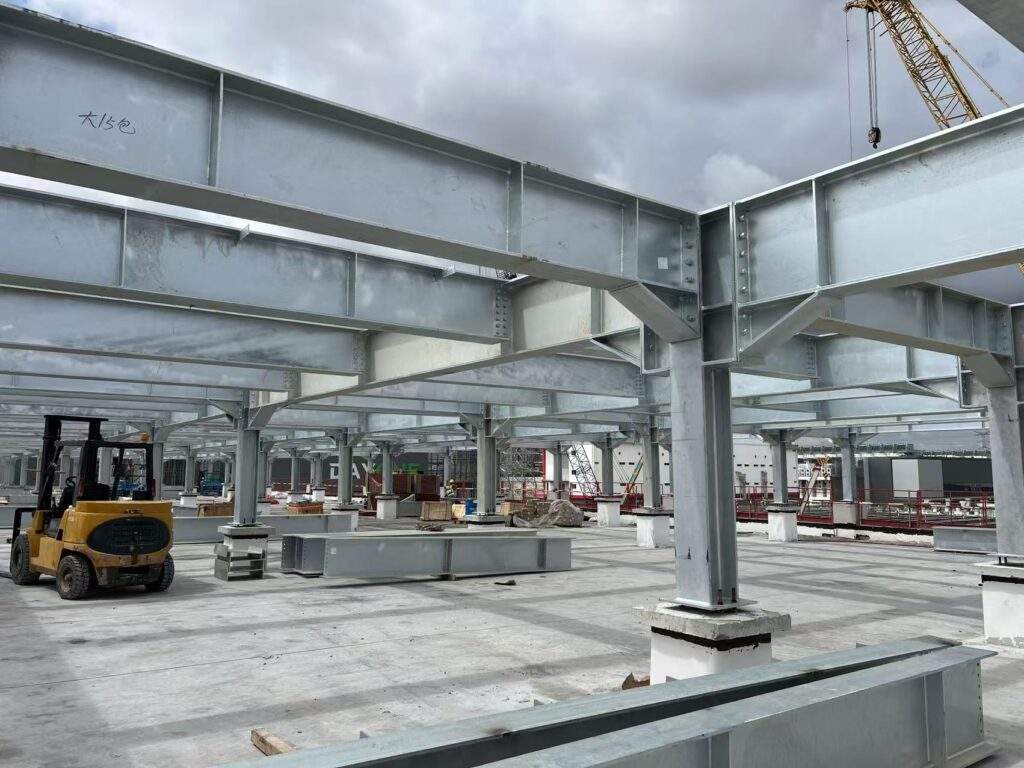
One detail that is often underestimated is communication during the engineering stage.
Steel truss systems require alignment between design intent and manufacturing reality. Misunderstandings in early communication can lead to design revisions, delays, or structural mismatches.
Good manufacturers tend to ask more questions than they answer at the beginning. They focus on:
- Load conditions
- Span requirements
- Environmental exposure
- Installation method
- Connection details
This is not overcomplication—it is risk control.
Conclusion
Selecting a steel truss manufacturer is not a simple sourcing task. It is a technical decision that directly affects structural safety, construction efficiency, and long-term building performance.
The most reliable manufacturers are not defined by claims or presentation, but by their ability to consistently translate engineering requirements into stable, well-fabricated steel structures.
For industrial and commercial projects where long-span design and durability matter, working with a capable steel truss manufacturer helps reduce uncertainty throughout the construction process. It also ensures that the final structure performs as expected—not just on paper, but in real-world conditions.
FAQ
What does a steel truss manufacturer actually provide?
A steel truss manufacturer provides structural design support, fabrication, welding, surface treatment, and assembly of steel truss systems used in industrial and commercial buildings.
How do I choose a reliable steel truss manufacturer?
Focus on engineering capability, production consistency, welding standards, and project experience. A reliable manufacturer should also provide technical review instead of only pricing.
What types of buildings commonly use steel truss systems?
Steel truss systems are widely used in warehouses, factories, logistics centers, agricultural buildings, commercial halls, and large-span public infrastructure projects.
What is the advantage of prefabricated steel truss systems?
Prefabricated steel trusses improve installation speed, ensure higher fabrication accuracy, reduce on-site workload, and provide more stable structural performance.
Why is manufacturer selection important in steel truss projects?
Because the manufacturer directly affects structural safety, fabrication quality, and installation accuracy. A poor selection can lead to delays, rework, or performance issues during construction.