Need a Reliable Steel Structure Supplier?
Looking for a trusted partner for your warehouse, workshop, factory, or commercial building project? Our team is ready to provide professional steel structure solutions tailored to your requirements.
Contact us today to discuss your project and get expert support from design to delivery.
Table of Contents
Introduction

The global construction industry is undergoing a significant transformation. Project owners, contractors, developers, and investors are increasingly turning to steel structure buildings to meet modern demands for efficiency, sustainability, durability, and design flexibility.
From industrial manufacturing plants and logistics centers to warehouses, commercial facilities, agricultural buildings, and aviation structures, steel structures have become a preferred construction solution across multiple sectors.
However, the success of any steel building project depends on more than just design and materials. One of the most critical decisions is selecting the right steel structure supplier.
A reliable steel structure supplier does far more than manufacture steel components. They influence project quality, construction schedules, structural safety, operational efficiency, and long-term performance.
Yet many buyers focus primarily on quotations while overlooking factors such as engineering capability, quality assurance systems, fabrication standards, export experience, and technical support.
This guide explores the key considerations that help developers and contractors identify a dependable steel structure supplier while avoiding common sourcing mistakes that can negatively affect project outcomes.
The Changing Role of a Modern Steel Structure Supplier
Years ago, steel structure suppliers were often viewed simply as manufacturers that fabricated structural components according to drawings provided by engineers.
Today, the industry has evolved significantly.
A professional steel structure supplier often participates throughout the entire project lifecycle, including:
- Structural engineering support
- Detailed design optimization
- Fabrication planning
- Material procurement
- Quality inspection
- Logistics coordination
- Installation guidance
- After-sales technical support
This shift has transformed steel structure suppliers into strategic project partners rather than merely production vendors.
Projects are becoming larger, more complex, and more time-sensitive. As a result, buyers increasingly seek suppliers capable of delivering integrated solutions instead of standalone products.
Why Steel Structure Buildings Continue to Gain Popularity Worldwide
The growing popularity of steel buildings is driven by several industry trends.
Accelerated Construction Schedules
Modern projects often operate under tight timelines.
Prefabricated steel components can be manufactured simultaneously while site preparation is underway. This parallel workflow significantly shortens construction schedules compared with traditional building methods.
Superior Structural Performance
Steel offers exceptional strength-to-weight characteristics.
This allows engineers to design larger spans, taller structures, and more flexible layouts while maintaining structural integrity.
Applications include:
- Industrial plants
- Distribution centers
- Warehouses
- Aircraft hangars
- Exhibition halls
- Sports facilities
Sustainable Construction
Environmental considerations are becoming increasingly important.
Steel is highly recyclable and supports sustainable building practices. Many organizations now prioritize environmentally responsible construction materials as part of broader sustainability initiatives.
Design Flexibility
Unlike many conventional construction methods, steel structures allow architects and engineers to create adaptable spaces that can accommodate future expansion and operational changes.
Understanding What Separates Excellent Suppliers from Average Suppliers

Not all steel structure suppliers possess the same capabilities.
While many companies can manufacture steel components, fewer can consistently deliver quality, reliability, and technical expertise across large-scale projects.
Several characteristics distinguish leading suppliers.
Engineering Expertise
Engineering is often the most overlooked aspect of supplier evaluation.
Experienced engineering teams can:
- Optimize structural designs
- Improve material utilization
- Reduce fabrication complexity
- Enhance constructability
- Improve project efficiency
Design optimization frequently generates more value than simple material cost reductions.
Manufacturing Capability
Production capacity directly affects delivery performance.
A well-equipped manufacturing facility should include:
- CNC cutting systems
- Automated welding equipment
- Precision drilling machinery
- Surface preparation systems
- Coating and finishing facilities
Advanced production technologies contribute to greater consistency and dimensional accuracy.
Quality Management Systems
Quality assurance should be integrated into every stage of production.
Reliable suppliers establish inspection procedures covering:
- Incoming materials
- Fabrication processes
- Welding operations
- Dimensional verification
- Surface treatment
- Final inspection
Comprehensive quality systems help minimize costly on-site issues.
Key Questions Buyers Should Ask Before Selecting a Steel Structure Supplier
Many project delays and quality issues originate during supplier selection.
Before making a decision, buyers should investigate several critical areas.
What Is the Supplier’s Project Experience?
Past projects provide valuable insight into a supplier’s capabilities.
Consider evaluating:
- Project scale
- Building types
- Industry sectors served
- Geographic markets
- Technical complexity
Relevant experience often indicates a supplier’s ability to manage similar requirements successfully.
Does the Supplier Understand International Standards?
Global construction projects frequently require compliance with specific standards and regulations.
An experienced steel structure supplier should demonstrate familiarity with:
- Structural design requirements
- Welding standards
- Material specifications
- Quality control procedures
- Inspection protocols
This knowledge reduces compliance risks during project execution.
How Does the Supplier Handle Technical Challenges?
Unexpected challenges are common in construction projects.
Evaluate whether the supplier can provide:
- Engineering support
- Design modifications
- Technical consultations
- Installation recommendations
Problem-solving capability often becomes critical during complex projects.
Certifications That Matter When Evaluating a Steel Structure Supplier
Certifications provide evidence of systematic management and operational consistency.
While certifications alone do not guarantee quality, they indicate a commitment to established processes and continuous improvement.
Important areas include:
Quality Management
Quality management systems help ensure consistent manufacturing outcomes and traceability throughout production.
Environmental Responsibility
Environmental management practices demonstrate commitment to sustainability and regulatory compliance.
Occupational Health and Safety
Safety-focused operations contribute to stable production environments and risk reduction.
Welding Qualification Systems
Since welding plays a critical role in steel structures, qualified welding procedures and personnel are essential.
Buyers should verify that welding practices align with recognized industry standards.
Common Quality Risks Hidden Behind Attractive Quotations
One of the most frequent mistakes buyers make is focusing exclusively on initial procurement costs.
This approach can introduce hidden risks.
Inconsistent Raw Materials
Material quality directly affects structural performance.
Low-quality materials may result in:
- Reduced durability
- Lower structural reliability
- Increased maintenance requirements
Poor Welding Practices
Weld quality is fundamental to structural integrity.
Inadequate welding procedures can lead to:
- Structural defects
- Premature failures
- Safety concerns
Insufficient Surface Protection
Protective coatings play a vital role in preventing corrosion.
Poor surface preparation or coating application can significantly reduce service life.
Limited Quality Inspection
Without thorough inspection procedures, manufacturing defects may remain undetected until installation begins.
Resolving such issues on-site often causes delays and additional project complications.
Evaluating Manufacturing Quality Before Production Begins
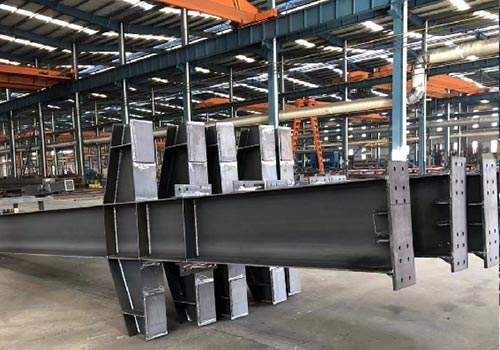
Professional buyers increasingly conduct factory assessments before placing large orders.
Areas worth reviewing include:
Material Storage Practices
Proper storage helps preserve material quality and traceability.
Production Workflow
Organized manufacturing processes generally indicate stronger operational control.
Welding Operations
Observe welding procedures, equipment condition, and operator qualifications.
Inspection Procedures
Review how inspections are conducted and documented.
Finished Product Areas
Completed components should demonstrate consistency, accuracy, and proper protection before shipment.
Steel Structure Applications Driving Global Demand
Demand for steel structures continues expanding across numerous sectors.
Industrial Facilities
Manufacturing operations require durable structures capable of supporting heavy equipment and future expansion.
Warehousing and Logistics
The growth of e-commerce and supply chain infrastructure has increased demand for large-span steel warehouses.
Commercial Developments
Modern commercial buildings increasingly utilize steel framing for flexibility and efficiency.
Agricultural Facilities
Agricultural operations benefit from durable, adaptable structures that can withstand demanding environmental conditions.
Aviation Infrastructure
Aircraft hangars often rely on steel structures to achieve large clear spans and operational efficiency.
The Growing Importance of Sustainability in Supplier Selection
Sustainability is becoming a major purchasing criterion.
Developers increasingly seek suppliers capable of supporting green construction objectives.
Areas of focus include:
- Material recyclability
- Resource efficiency
- Waste reduction
- Energy-efficient manufacturing
- Sustainable construction practices
As environmental regulations continue evolving, sustainability capabilities will likely become even more important.
Future Trends Reshaping the Steel Structure Industry
The steel construction sector continues advancing rapidly.
Several trends are influencing future supplier selection.
Digital Engineering
Advanced modeling technologies improve design accuracy and project coordination.
Smart Manufacturing
Automation is enhancing production efficiency and consistency.
Modular Construction
Modular approaches are accelerating project delivery while improving quality control.
Advanced Coating Technologies
New protective systems are extending structural lifespan in demanding environments.
Data-Driven Quality Management
Digital quality systems improve traceability and process control throughout manufacturing.
Building Long-Term Value Through the Right Supplier Partnership
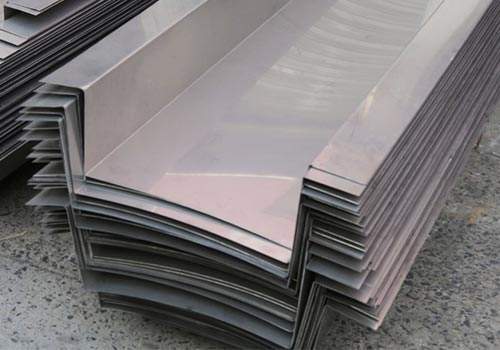
The best steel structure suppliers contribute value far beyond fabrication.
They help buyers achieve:
- Improved project predictability
- Better construction efficiency
- Reduced operational risks
- Higher structural reliability
- Stronger long-term asset performance
Choosing a supplier should therefore be viewed as a strategic decision rather than a simple procurement exercise.
Organizations that invest time in evaluating supplier capabilities often experience smoother project execution and stronger overall results.
Conclusion
Selecting a reliable steel structure supplier is one of the most important decisions in any construction project. While factors such as manufacturing capacity and production efficiency remain important, buyers should also carefully assess engineering expertise, quality management systems, certification compliance, project experience, and technical support capabilities.
The most successful projects are typically built on strong partnerships between project owners and experienced steel structure manufacturers. A supplier that combines advanced fabrication capabilities with engineering knowledge, rigorous quality control, and long-term support can help ensure structural performance, construction efficiency, and project success.
As demand for steel warehouses, industrial facilities, commercial buildings, logistics centers, and other steel structure applications continues to grow, choosing the right supplier becomes increasingly critical. By following the evaluation strategies outlined in this guide, buyers can make informed decisions and establish partnerships that deliver long-term value throughout the lifecycle of every steel structure project.
FAQ
How do I choose the right steel structure supplier?
Look for a supplier with strong engineering expertise, proven project experience, strict quality control, and reliable technical support throughout the project.
What services does a steel structure supplier typically provide?
Most steel structure suppliers offer design support, steel fabrication, quality inspection, logistics coordination, and installation guidance.
Why is quality control important in steel structure manufacturing?
Effective quality control helps ensure structural safety, manufacturing accuracy, long-term durability, and compliance with project requirements.
Can steel structure buildings be customized for different applications?
Yes. Steel structures can be customized for warehouses, workshops, factories, agricultural buildings, logistics centers, commercial facilities, and many other applications.
What are the advantages of working with an experienced steel structure manufacturer?
An experienced manufacturer can help optimize designs, improve project efficiency, minimize construction risks, and provide dependable support from production to installation.