Table of Contents
Introduction
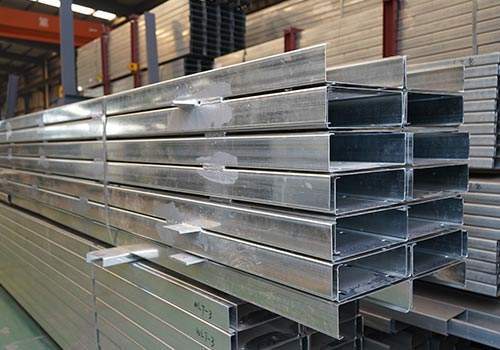
Malaysia’s construction and industrial sectors are experiencing unprecedented growth. As the nation pushes forward with infrastructure development and modernization programs, the demand for reliable steel structure fabrication services has reached new heights. Industrial projects across the region—from manufacturing plants in Selangor to logistics hubs in Johor—increasingly depend on prefabricated steel structures for their strength, speed, and cost efficiency.
The shift toward steel construction reflects a broader global trend. Unlike traditional building materials, structural steel offers superior strength-to-weight ratios, design flexibility, and faster installation timelines. For industrial project decision-makers, these factors translate directly into reduced costs and faster time-to-market.
Working with an experienced steel structure fabrication manufacturer in Malaysia provides more than just materials. It offers a strategic partnership that encompasses engineering design, quality assurance, and project delivery. The difference between a successful project and a costly delay often comes down to choosing the right fabrication partner—one with in-house production capabilities, rigorous quality systems, and a proven track record across diverse industrial applications.
What Is Steel Structure Fabrication?
Steel structure fabrication is the process of transforming raw steel materials into custom structural components for buildings and infrastructure. This process involves cutting, shaping, welding, and assembling steel elements such as beams, columns, trusses, and connection plates into complete frameworks ready for installation.
The fabrication process begins with detailed engineering drawings that specify dimensions, material grades, connection details, and load requirements. From there, skilled technicians and automated equipment work through several key stages: material selection, cutting and forming, welding and assembly, surface treatment, and final inspection.
Factory-based structural steel fabrication differs significantly from on-site construction. Working in a controlled environment allows for tighter tolerances, consistent quality, and better quality control throughout production. Components are fabricated to precise specifications before being transported to the project site for rapid assembly.
For industrial and commercial projects, this approach offers substantial advantages. Factory fabrication reduces weather-related delays, minimizes on-site labor requirements, and ensures that each component meets exact standards before leaving the workshop. The result is a more predictable project timeline and a higher-quality final structure.
Our Role as a Steel Structure Fabrication Manufacturer
As a dedicated steel structure fabrication manufacturer based in Malaysia, we operate modern production facilities designed to handle projects of all scales. Our capabilities span the full spectrum of fabrication services—from initial design engineering through manufacturing, surface treatment, and delivery coordination.
Our in-house engineering team works closely with clients to translate project requirements into detailed fabrication drawings. This integrated approach eliminates communication gaps that often occur when design and production are handled by separate entities. Clients benefit from faster responses, more accurate cost estimates, and seamless coordination throughout the project lifecycle.
Quality control sits at the core of our operations. We maintain comprehensive quality management systems aligned with international standards, including ISO 9001 certification requirements. Every stage of production undergoes systematic inspection, from incoming material verification to final dimensional checks before dispatch.
Choosing a direct manufacturer rather than a trading company delivers measurable cost advantages. Without intermediary markups, clients access factory-direct pricing that reflects actual production costs. More importantly, direct manufacturers provide complete transparency into production processes, material sourcing, and quality assurance procedures—information that trading companies typically cannot supply.
Steel Structure Fabrication Process We Follow
Our fabrication process follows a structured sequence designed to ensure consistency, quality, and efficiency at every step.
Material Selection: We source structural steel from certified mills, verifying mill test certificates (MTCs) for chemical composition and mechanical properties. Common grades include S275JR, S355JR, and ASTM A572, selected based on project specifications and environmental conditions.
Cutting and Forming: CNC plasma and flame cutting machines handle profile cutting with precision down to ±1mm. Press brakes and rolling machines shape steel components to exact specifications. For heavy sections exceeding 50mm thickness, pre-heating at minimum 150°C ensures clean cuts without cracking.
Welding and Assembly: Qualified welders operate under approved Welding Procedure Specifications (WPS). We employ multiple welding techniques—including GMAW, FCAW, and SAW—selected based on material thickness, joint configuration, and project requirements. Fit-up inspections precede every welding operation, and post-weld non-destructive testing (NDT) using ultrasonic or radiographic methods verifies weld integrity.
Surface Treatment: Following fabrication, components undergo blast cleaning to Sa2.5 standard. We apply primer coats within specified time windows to prevent flash rust, with dry film thickness measured at 80-100μm per coat. Hot-dip galvanizing is available for projects requiring enhanced corrosion protection.
Pre-Assembly and Quality Inspection: Before dispatch, critical assemblies undergo trial fitting in our workshop. This step verifies bolt hole alignment, connection fit, and overall geometry, allowing corrections before components reach the site.
Applications of Steel Structure Fabrication in Malaysia

Our fabrication capabilities support a diverse range of industrial and commercial applications across Malaysia.
Factory and Production Facilities: Manufacturing plants require robust structural systems capable of supporting heavy machinery, overhead cranes, and production lines. Steel frames provide the clear-span flexibility needed for efficient production layouts.
Warehouse and Logistics Centers: E-commerce growth and supply chain optimization drive demand for large-scale distribution facilities. Steel structures deliver the expansive, column-free spaces essential for modern warehouse operations and automated storage systems.
Commercial Buildings and Shopping Complexes: Beyond industrial applications, we fabricate structural components for retail centers, office buildings, and mixed-use developments where steel construction enables faster occupancy and greater design flexibility.
Oil and Gas Infrastructure: Harsh operating environments demand specialized fabrication with enhanced corrosion resistance and strict adherence to industry standards. Our facilities accommodate projects requiring elevated material specifications and rigorous documentation.
Agricultural and Storage Facilities: Farm warehouses, processing plants, and bulk storage structures benefit from steel’s durability and cost efficiency. Prefabricated steel agricultural buildings install quickly and require minimal maintenance compared to traditional construction.
Advantages of Choosing Steel Structure Fabrication
Industrial project stakeholders increasingly recognize why steel building solutions outperform traditional construction methods in many applications.
High Strength and Long-Term Durability: Structural steel provides exceptional strength-to-weight ratio—approximately five to ten times stronger than concrete by weight. Properly maintained steel structures maintain structural integrity for decades, with many existing steel buildings serving well beyond their original design life.
Faster Installation Compared to Concrete: Factory prefabrication compresses schedules significantly. Components arrive at site ready for bolt-together assembly, eliminating on-site formwork, curing delays, and weather-dependent casting operations. Projects that would require months with concrete can often complete structural work in weeks.
Cost-Effectiveness for Large Industrial Projects: While steel material costs may exceed concrete upfront, the total project economics favor steel when accounting for faster occupancy, reduced foundation requirements, and lower long-term maintenance. Steel structures transfer lighter loads to foundations, decreasing groundwork costs—particularly valuable on poor soil conditions common in parts of Malaysia.
Design Flexibility and Customization: Steel adapts to virtually any architectural or engineering requirement. Long clear spans exceeding 30 meters eliminate interior columns, providing unobstructed floor space. Future expansions integrate easily by extending the existing frame or adding modular components.
Environmental Responsibility: Steel leads the construction industry in recyclability. Modern structural steel contains approximately 90% recycled content and remains fully recyclable at end-of-life. This sustainable profile supports green building certification requirements and aligns with corporate sustainability commitments.
Steel Structure Fabrication Cost Factors in Malaysia
Understanding what influences structural steel fabrication pricing helps project managers budget accurately and identify opportunities for cost optimization.
| Cost Factor | Impact on Pricing | Mitigation Strategy |
|---|---|---|
| Raw Material Prices | Steel market volatility directly affects material costs | Early procurement locks in pricing; bulk orders reduce per-unit costs |
| Project Scale | Larger projects benefit from economies of scale | Standardize designs across multiple structures where possible |
| Design Complexity | Complex geometries require additional engineering and fabrication time | Simplify connections; use standardized sections when structurally acceptable |
| Surface Treatment | Galvanizing, specialized coatings add significant cost | Match treatment to actual exposure conditions; avoid over-specification |
| Labor and Manufacturing | Complex projects require more skilled hours | Choose manufacturers with automated equipment and qualified workforce |
| Transportation | Large fabricated sections may require specialized logistics | Optimize component sizes for standard transport; consider site assembly options |
Material grades and specifications significantly impact pricing. Higher-strength steels like S355 cost more than standard S275 but may allow reduced section sizes, offsetting the premium. Similarly, projects requiring specialized coatings or enhanced corrosion protection systems should budget accordingly.
Why Choose a Manufacturer Instead of a Trading Company
The decision between sourcing from a steel structure fabrication manufacturer versus a trading company affects more than just pricing—it influences project quality, communication efficiency, and long-term support.
Direct Factory Pricing: Manufacturers pass production costs without trading markups. This pricing structure typically delivers 15-30% savings compared to trading company alternatives, depending on project complexity and order volume.
Quality Control and Transparency: Our workshop facilities allow clients to witness production firsthand. Material traceability from mill certificates through finished components provides documented quality assurance. Trading companies often cannot supply this level of production visibility.
Responsive Communication: Direct manufacturer relationships connect clients with engineering and production teams immediately. Questions about specifications, drawing clarifications, or production status receive answers from people with hands-on knowledge—not sales intermediaries.
Customization Capabilities: Manufacturers with in-house engineering teams can adapt designs to specific requirements, optimize material usage, and develop custom connections. Trading companies typically resell standard products without modification capability.
Technical Support After Delivery: Project challenges rarely end at delivery. Manufacturer relationships provide ongoing access to technical expertise for installation guidance, field modifications, and future expansion planning.
Custom Steel Structure Fabrication Solutions for Industrial Projects
Every industrial project presents unique requirements that standard solutions cannot always address. Our custom steel structure fabrication capabilities accommodate project-specific needs while maintaining cost efficiency.
Project-Based Custom Design: Our engineering team develops structural solutions tailored to individual project specifications. Whether accommodating unusual loads, adapting to site constraints, or integrating with existing infrastructure, we design for your specific conditions rather than forcing designs into predetermined molds.
OEM and ODM Services: We support original equipment manufacturers requiring custom structural components for their products. Our capabilities include detailed fabrication to client specifications, private labeling, and complete documentation packages.
Modular and Prefabricated Steel Systems: Pre-engineered building systems offer faster installation and cost predictability. We design modular components that assemble quickly on-site while providing the structural performance industrial applications demand.
Turnkey Industrial Building Solutions: Beyond structural framing, we coordinate comprehensive building packages including cladding, roofing, doors, and accessories. Single-source responsibility simplifies procurement and ensures component compatibility.
Concept-to-Installation Engineering Support: From initial feasibility discussions through final installation, our team provides continuous engineering support. This end-to-end involvement catches potential issues early and optimizes designs for fabrication efficiency.
Steel Structure Fabrication Projects We Can Support

Our production facilities and expertise support diverse structural steel applications across industrial sectors.
Warehouse Steel Systems: Multi-bay warehouses, high-bay racking facilities, cold storage structures, and distribution centers. We engineer clear-span configurations that maximize storage density and operational efficiency.
Factory Building Steel Frames: Manufacturing facilities requiring heavy-load capacity, overhead crane support systems, multi-story production areas, and process-integrated structural solutions.
Industrial Plant Structural Frameworks: Chemical processing facilities, power generation structures, mining support infrastructure, and heavy industrial complexes with specialized load and clearance requirements.
Large-Span Steel Buildings: Sports complexes, exhibition halls, aircraft hangars, and agricultural buildings requiring unobstructed interior spaces. We design efficient long-span trusses and portal frames to minimize material usage while meeting structural requirements.
Multi-Story Steel Structures: Office buildings, worker dormitories, and combined-use facilities where steel frames provide speed and flexibility. Our designs integrate with various floor systems and facade options.
Quality Standards and Certifications
Maintaining rigorous quality standards distinguishes professional steel structure fabrication from substandard alternatives. Our quality systems address every aspect of production from material procurement through final delivery.
International Fabrication Standards Compliance: We operate under approved quality management systems aligned with international requirements. Fabrication procedures follow established standards including ISO 10721 for steel structures, with welding procedures qualified to AWS D1.1 specifications.
Welding Inspection and Structural Testing: Every welding operator holds current qualification certification. Critical welds undergo non-destructive testing by certified inspectors—ultrasonic examination, magnetic particle inspection, or dye penetrant testing as appropriate for the joint type and service conditions.
Material Traceability and Documentation: Heat numbers and mill certificates accompany all incoming materials. This traceability extends through fabrication to final delivery, providing documented evidence that materials meet specified requirements.
Load-Bearing Safety Assurance: Structural calculations verify that fabricated components support design loads with appropriate safety factors. We maintain design records demonstrating compliance with applicable codes and standards.
Long-Term Durability Verification: Surface preparation and coating systems undergo quality verification including dry film thickness measurement and adhesion testing. These procedures ensure protective systems perform as specified throughout the structure’s service life.
How to Choose the Right Steel Structure Fabrication Partner
Selecting the appropriate steel structure fabrication partner requires evaluating multiple factors beyond simple pricing comparisons.
Manufacturing Capabilities and Experience: Assess whether the manufacturer has successfully completed projects similar in scale, complexity, and specifications to yours. Ask for reference projects and, when possible, visit completed installations.
Production Equipment and Facilities: Modern fabrication requires modern equipment. CNC cutting, automated welding systems, and proper quality inspection tools indicate investment in capability and consistency. Inadequate equipment often manifests as quality problems in finished work.
Project Portfolio and Industry Experience: Look for demonstrated experience in your specific industry. Oil and gas projects, for example, require different expertise than commercial building fabrication. The best manufacturers tailor their processes to client requirements rather than applying generic approaches.
Engineering and Technical Support: Evaluate the availability and responsiveness of engineering support. Questions during bidding, design development, and production should receive prompt, knowledgeable responses. The ability to provide value-engineering suggestions indicates genuine partnership rather than transactional selling.
Supply Chain Stability and Delivery Track Record: Investigate the manufacturer’s track record for on-time delivery. Late deliveries cascade into project delays and cost overruns. Understanding their material sourcing and production scheduling practices helps assess delivery reliability.
Why Global Clients Trust Our Steel Structure Fabrication Services
International clients choose us for steel structure fabrication based on proven performance across diverse markets and applications.
Southeast Asian Market Expertise: We understand regional requirements, building codes, and business practices across Southeast Asia. This local knowledge, combined with international quality standards, provides clients with solutions that meet both regional expectations and global benchmarks.
Strong Project Delivery Capability: Our track record demonstrates consistent on-time delivery across projects ranging from small warehouse structures to large-scale industrial complexes. This reliability translates into client confidence and repeat business.
Factory-Direct Competitive Pricing: Direct manufacturing relationships eliminate intermediary costs, providing access to quality fabrication at competitive rates. Combined with transparent pricing practices, this approach delivers genuine value without hidden charges.
Customized Engineering Solutions: Every project receives individual engineering attention. Rather than applying cookie-cutter designs, we develop solutions optimized for specific requirements, loads, and conditions.
Long-Term Partnership Approach: We view each project as the beginning of an ongoing relationship. Clients return for subsequent projects and refer others based on positive experiences with our responsiveness, quality, and support.
Get a Quote for Steel Structure Fabrication in Malaysia

Ready to discuss your next industrial steel project? Requesting a quotation is straightforward, and we aim to respond within 48 business hours.
Information Needed for Accurate Pricing:
To provide detailed and competitive quotations, we typically require:
- Project scope and application (warehouse, factory, etc.)
- Approximate dimensions (span, length, height, eave height)
- Loading requirements (crane capacity, roof load, floor load)
- Site location and access conditions
- Completion timeline requirements
- Any specific material or certification requirements
- Architectural or structural drawings (if available)
Quotation Process:
Submit your project details through our inquiry channel, and our engineering team will review requirements and respond with clarifying questions if needed. We provide detailed quotations including material specifications, fabrication scope, surface treatment options, and delivery schedules.
Custom Design Support:
Not sure where to start? Our engineering team provides conceptual design assistance to help define project requirements before finalizing specifications. This early involvement often identifies cost-saving opportunities and constructability improvements.
Collaborative Discussion Invitation:
We welcome conversations about your upcoming projects. Whether you have detailed specifications or preliminary concepts, our team provides honest assessments of feasibility, pricing, and timeline expectations. Contact us to start the discussion.
Conclusion
Steel structure fabrication in Malaysia continues to evolve, driven by technological advancement, sustainability imperatives, and increasing demand for faster, more cost-effective construction solutions. The market projects significant growth through the next decade, creating opportunities for industrial projects that leverage modern steel construction.
Choosing the right fabrication partner impacts project success far beyond initial pricing. Quality craftsmanship, engineering expertise, reliable delivery, and responsive support combine to determine whether projects complete on time and within budget—or face costly delays and complications.
As a dedicated steel structure fabrication manufacturer based in Malaysia, we bring decades of combined experience to every project. Our integrated approach—from initial design through fabrication and delivery—ensures consistent quality, clear communication, and genuine partnership throughout your project lifecycle.
Ready to discuss how steel construction can serve your next industrial project? Contact our team to explore possibilities and receive a competitive quotation tailored to your specific requirements.
FAQ
What is steel structure fabrication?
Steel structure fabrication is the process of cutting, welding, and assembling raw steel into structural components like beams, columns, and trusses. These fabricated elements form the framework for industrial buildings, warehouses, and commercial structures.
How long does a steel structure fabrication project take?
Timeline depends on project scale and complexity. A typical warehouse project (1,000–3,000 m²) requires 8–12 weeks from drawing approval to delivery. Larger industrial facilities may need 4–6 months. Prefabrication significantly reduces on-site assembly time.
What steel grades are commonly used in fabrication?
Common grades include S275JR and S355JR (European standard), ASTM A36 and A572 (American standard), and Q235B/Q355B (Chinese standard). Grade selection depends on structural requirements, environmental conditions, and applicable design codes.
Why choose a manufacturer over a trading company?
Direct manufacturers offer factory pricing without intermediary markups, complete quality control transparency, and direct engineering support. Trading companies add costs and create communication delays between clients and actual producers.
What quality certifications should a steel fabricator have?
Look for ISO 9001 certification for quality management systems. Project-specific certifications may include AWS (American Welding Society), EN 1090 (European fabrication standard), or AISC (American Institute of Steel Construction) compliance, depending on your project requirements.