Steel structure has become one of the most widely used solutions in modern construction, especially for industrial, commercial, and large-span buildings. As a professional steel structure manufacturer, we have seen increasing global demand for durable, cost-effective, and fast-to-install building systems.
This guide explains everything you need to know about steel structure buildings—from design and fabrication to applications and cost—helping you make informed decisions for your next project.
Table of Contents
What Is a Steel Structure in Construction

A steel structure refers to a building framework made primarily of steel components such as beams, columns, and connections. These elements work together to support loads and provide structural stability.
Unlike traditional concrete construction, steel structure buildings are typically prefabricated in factories and assembled on-site. This method improves efficiency, reduces construction time, and ensures consistent quality.
Key components of a steel structure include:
- Steel columns and beams
- Structural frames and trusses
- Connection systems (bolted or welded)
- Roof and wall panels
Steel structures are commonly used in warehouses, workshops, factories, and commercial buildings due to their flexibility and strength.
Main Types of Steel Structure Buildings
Light Steel Structure
Light steel structure systems are designed for smaller or medium-sized buildings. They are lightweight, easy to install, and ideal for modular construction projects such as small workshops or storage units.
Heavy Steel Structure
Heavy steel structure is used in projects requiring high load-bearing capacity, such as industrial plants, bridges, and large-span facilities. These structures offer superior durability and long-term performance.
Pre Engineered Steel Structure Buildings
Pre engineered steel structure buildings (PEB) are manufactured in factories and delivered to the site for quick assembly. This approach reduces labor costs and construction time, making it a popular choice for steel structure warehouses and industrial buildings.
Advantages of Steel Structure Buildings

Steel structure buildings offer several key benefits compared to traditional construction methods:
- High strength-to-weight ratio: Steel provides excellent load-bearing capacity with less material
- Fast construction: Prefabricated components significantly reduce project timelines
- Cost efficiency: Lower labor and maintenance costs over time
- Sustainability: Steel is recyclable and environmentally friendly
- Design flexibility: Easy to customize for different applications
- Durability: Long lifespan with resistance to harsh weather conditions
For industries requiring scalable and reliable infrastructure, steel structure solutions are often the preferred choice.
Steel Structure vs Concrete Buildings
Choosing between steel structure and concrete construction depends on project requirements. Below is a comparison to help you evaluate both options:
| Factor | Steel Structure | Concrete Structure |
|---|---|---|
| Construction Speed | Fast (prefabricated) | Slower (on-site casting) |
| Cost | Lower long-term cost | Higher labor and time cost |
| Strength | High strength, lightweight | Strong but heavier |
| Flexibility | Easy to modify and expand | Difficult to alter |
| Environmental Impact | Recyclable and eco-friendly | Higher carbon footprint |
| Maintenance | Low with proper coating | Requires more maintenance over time |
For projects like steel structure warehouses or industrial buildings, steel often provides better efficiency and long-term value.
Steel Structure Design Principles
Proper design is critical to ensure safety and performance in any steel structure project.
Load Calculation and Structural Safety
Engineers calculate loads such as dead load, live load, wind, and seismic forces to ensure the structure can withstand real-world conditions.
Material Selection and Standards
High-quality steel materials must meet international standards to ensure durability and compliance.
Connection Design (Bolted vs Welded)
Connections play a vital role in structural integrity. Bolted connections allow easier installation, while welded connections offer higher rigidity.
Working with an experienced steel structure manufacturer ensures that all design aspects meet required safety codes and project specifications.
Steel Structure Fabrication Process
The fabrication process directly impacts the quality of the final structure. It typically includes:
- Steel material selection and inspection
- Cutting and shaping components
- Welding and assembly
- Surface treatment such as galvanizing or painting
- Quality control and certification
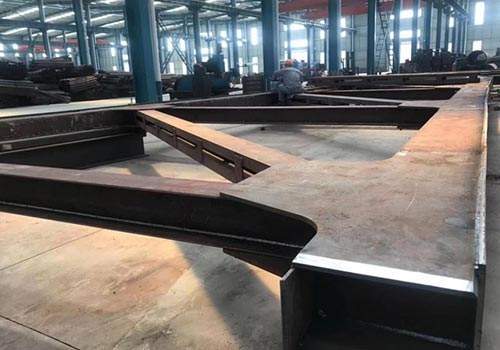
Factory-based fabrication ensures precision and consistency, which is one of the major advantages of prefabricated steel structure buildings.
Steel Structure Construction and Installation

Once fabrication is complete, the components are transported to the construction site for assembly.
The installation process involves:
- Site preparation and foundation work
- Delivery of steel components
- On-site erection using cranes and skilled labor
- Final inspection and finishing
Compared to traditional construction, steel structure installation is faster and less affected by weather conditions.
Common Applications of Steel Structure
Steel structure buildings are widely used across various industries:
- Steel structure warehouse for storage and logistics
- Steel structure workshop for manufacturing operations
- Industrial steel structure buildings for factories and plants
- Commercial steel structure buildings such as malls and offices
- Agricultural steel structure including poultry houses and storage facilities
Their adaptability makes steel structures suitable for both small-scale and large-scale projects.
Steel Structure Building Cost Factors
Understanding cost factors is essential for budgeting your project.
Material Costs
Steel price per ton is a major factor influencing the total cost.
Design Complexity
Customized designs may increase engineering and fabrication costs.
Labor and Installation
Labor costs vary depending on project location and complexity.
Transportation
Shipping prefabricated steel components can impact overall expenses.
To reduce costs, it is advisable to work directly with a steel structure manufacturer who can provide optimized design and factory-direct pricing.
How to Choose a Reliable Steel Structure Manufacturer
Selecting the right supplier is crucial for project success. Consider the following:
- Certifications such as ISO and CE
- Experience in steel structure fabrication and export
- Ability to provide custom steel structure solutions
- Proven project cases and client references
- Strong after-sales support
Working with a direct manufacturer ensures better communication, quality control, and cost efficiency.
Custom Steel Structure Solutions for Different Industries
Different industries require tailored solutions. A professional manufacturer can provide:
- Logistics warehouse steel structure design
- Workshop and factory building systems
- Industrial and commercial project customization
- Scalable solutions for future expansion
Customization ensures that the steel structure building meets specific operational needs and maximizes efficiency.
Future Trends in Steel Structure Construction
The steel structure industry continues to evolve with new technologies and market demands:
- Growth of prefabricated and modular construction
- Increased focus on sustainable building practices
- Integration of digital tools like BIM (Building Information Modeling)
- Rising demand for industrial steel structure buildings worldwide
These trends indicate strong long-term growth and innovation in the sector.
Conclusion
Steel structure has become a cornerstone of modern construction due to its strength, efficiency, and adaptability. From steel structure warehouses to complex industrial steel structure buildings, it offers clear advantages over traditional construction methods.
For project owners and contractors, understanding steel structure design, fabrication, and cost factors is essential to achieving the best results. More importantly, partnering with an experienced steel structure manufacturer ensures high-quality materials, reliable engineering, and efficient project execution.
As global demand continues to grow, steel structure buildings will remain a smart, scalable, and future-ready solution for construction projects across industries.
FAQ
Q1: What is a steel structure building?
A steel structure building is a construction system made primarily from steel components such as beams, columns, and frames, designed to provide strength, stability, and flexibility for various applications.
Q2: What are the advantages of steel structure compared to concrete?
Steel structure offers faster construction, lighter weight, better flexibility, and lower long-term maintenance costs compared to traditional concrete buildings.
Q3: How much does a steel structure building cost?
The cost of a steel structure building depends on factors such as steel price per ton, design complexity, building size, and installation requirements. Prefabricated steel structure solutions often help reduce overall costs.
Q4: What are common applications of steel structure buildings?
Steel structure buildings are widely used for warehouses, workshops, industrial facilities, commercial buildings, and agricultural structures due to their durability and versatility.
Q5: How do I choose a reliable steel structure manufacturer?
Look for a manufacturer with certifications, strong production capacity, experience in custom steel structure projects, and proven project cases to ensure quality and reliability.