Table of Contents
Introduction
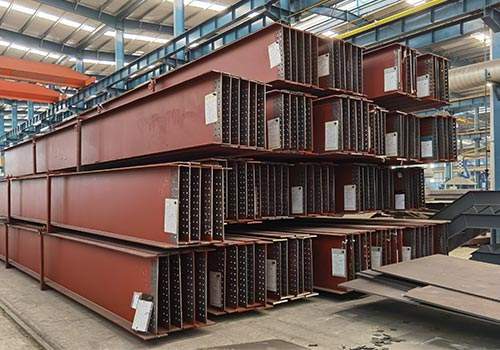
Structural steel shapes are essential components in modern construction and industrial projects. They provide strength, durability, and versatility for a wide range of applications, from residential buildings to bridges and high-rise structures. As a manufacturer of high-quality structural steel shapes, we ensure that our products meet international standards and deliver the performance your projects demand. Choosing the right structural steel shapes is critical for structural integrity and long-term durability, especially in Malaysia’s diverse construction environment.
Types of Structural Steel Shapes
I-Beams (W-Beams / H-Beams)
I-beams, including W-beams and H-beams, are among the most commonly used structural steel shapes. They are ideal for supporting heavy loads across large spans, making them suitable for commercial buildings, industrial warehouses, and bridges. The “I” profile offers excellent resistance to bending and ensures stability under high stress.
Channels (C-Shapes)
Channel-shaped steel provides support for secondary structural elements or for applications requiring a combination of strength and light weight. C-shapes are commonly used in roofing, framing, and bracing systems.
Angles (L-Shapes)
Angle steel, often referred to as L-shapes, is versatile and widely used in construction frameworks, shelving, and support structures. They are particularly useful in corner reinforcements and modular structures.
Tees (T-Shapes) and Other Shapes
T-shaped steel and other less common profiles are often customized for specific engineering projects. They provide targeted support where conventional shapes may not fit or meet project requirements.
Material Grades and Standards

Selecting structural steel shapes with the correct material grade is crucial for safety and compliance. In Malaysia, common steel grades include ASTM A36, A992, and local equivalent standards. Ensuring your structural steel shape meet ASTM or JIS standards guarantees reliability and performance, particularly in demanding applications such as high-rise buildings or infrastructure projects.
Dimensions and Size Guide
Understanding dimensions is essential to select the appropriate structural steel shape for your project. Below is a reference table for common profiles and their typical dimensions:
| Shape Type | Width (mm) | Height (mm) | Weight (kg/m) | Typical Use |
|---|---|---|---|---|
| W-Beam | 200-400 | 300-600 | 30-90 | Beams for floors, bridges |
| H-Beam | 150-300 | 200-500 | 25-80 | High-rise building frameworks |
| C-Channel | 100-200 | 50-300 | 10-50 | Roofing, bracing |
| L-Angle | 50-150 | 50-150 | 5-25 | Corner reinforcement, shelving |
| T-Shape | 100-200 | 100-200 | 15-40 | Custom support applications |
Selecting the right size depends on load requirements, span length, and project type.
Manufacturing Process of Structural Steel Shape
Our structural steel shapes are produced using precise hot-rolling and fabrication processes. High-quality raw steel is heated and formed into specific profiles, followed by cutting, straightening, and finishing. For projects requiring customization, we provide tailored fabrication services, including specific lengths, drilling, and coating. Proper manufacturing ensures each structural steel shape meets strict tolerance, strength, and durability standards.
Applications of Structural Steel Shapes in Malaysia
Residential Buildings
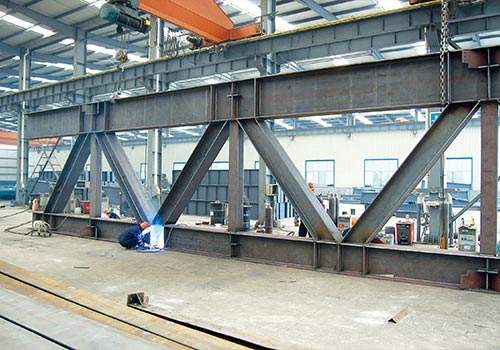
Structural steel shapes are widely used for beams, columns, and trusses in modern residential projects. They offer long-term durability, resistance to environmental stress, and faster construction compared to traditional materials.
Industrial and Commercial Projects
Factories, warehouses, and office buildings in Malaysia benefit from structural steel shape due to their load-bearing capacity, flexibility in design, and compatibility with modular construction.
Infrastructure Projects
Structural steel shapes are crucial in bridges, elevated roads, and port facilities. Their strength and adaptability support heavy loads and ensure structural safety, particularly in areas prone to tropical weather and high humidity.
How to Choose the Right Structural Steel Shapes
Choosing the appropriate structural steel shape requires understanding your project’s load requirements, span lengths, and environmental conditions. Consider the following:
- I-beams for long-span support
- Channels for lighter secondary structures
- Angles for modular assemblies and reinforcements
- T-shapes or custom profiles for specialized projects
Partnering with a reliable manufacturer ensures access to high-quality materials, technical guidance, and custom fabrication options.
Cost and Supply Considerations
When sourcing structural steel shapes in Malaysia, factors such as pricing per ton, delivery schedules, and bulk order discounts are important. Working directly with manufacturers reduces supply chain costs and guarantees timely delivery. Additionally, sourcing from certified suppliers ensures product quality and compliance with local and international standards.
Maintenance and Durability Tips

Proper maintenance extends the lifespan of structural steel shapes:
- Apply protective coatings to prevent rust and corrosion
- Conduct regular inspections for structural integrity
- Ensure fasteners and joints remain secure
- Use compatible materials for repair and retrofitting
These measures are particularly critical for projects exposed to tropical climate conditions in Malaysia.
Conclusion
Structural steel shapes are indispensable in Malaysia’s construction and industrial sectors. Understanding the types, dimensions, standards, and applications ensures your projects are safe, durable, and cost-effective. As a manufacturer, we provide high-quality structural steel shapes tailored for residential, commercial, and infrastructure projects, supporting builders with reliable materials, technical guidance, and custom solutions. For projects in Malaysia seeking durable and efficient construction materials, choosing the right structural steel shapes is the first step to success.
FAQ
Q: What is the difference between W-beams and H-beams?
A: W-beams have wider flanges, suitable for long spans, while H-beams are denser and ideal for high-load support in vertical construction.
Q: Can structural steel shapes be recycled?
A: Yes, steel is highly recyclable, making structural steel shapes a sustainable choice.
Q: How to determine load capacity?
A: Load capacity depends on the steel grade, shape type, dimensions, and project conditions. Engineering calculations are recommended.
Q: Can I order custom structural steel shapes?
A: Yes, manufacturers offer fabrication services for custom lengths, shapes, and drilled profiles to meet specific project needs.