Table of Contents
Introduction
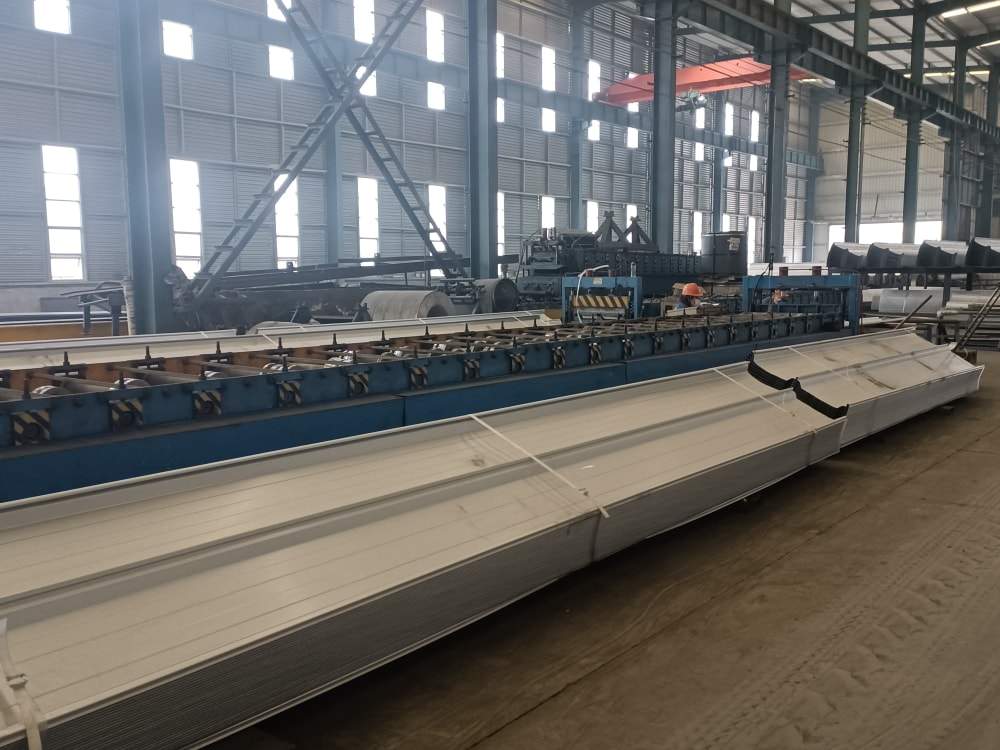
Industrial steel structures are the backbone of modern manufacturing facilities, warehouses, and factories. These structures combine strength, durability, and design flexibility, making them ideal for large-scale industrial applications. As a manufacturer of industrial steel structures, we understand the importance of delivering solutions that meet both functional and economic requirements.
Key benefits of industrial steel structures include exceptional load-bearing capacity, resistance to environmental wear, and cost-effectiveness compared to traditional concrete or timber buildings. Whether you are planning a new warehouse or expanding an existing manufacturing plant, understanding the different types of steel structures is essential for making informed decisions.
Common Types of Industrial Steel Structures
Prefabricated Steel Structures
Prefabricated steel structures are manufactured in a factory setting and then transported to the site for assembly. This approach ensures high precision, reduces construction time, and lowers labor costs. Prefabricated buildings are particularly suitable for warehouses, storage facilities, and light manufacturing units.
Advantages of prefabricated steel structures:
- Faster construction and reduced project timelines
- Consistent quality due to controlled manufacturing conditions
- Flexibility for future expansion or relocation
Custom Industrial Steel Buildings
Custom industrial steel buildings are designed specifically to meet unique project requirements. This type is ideal for factories with specialized machinery, heavy load demands, or non-standard layouts. A custom approach allows manufacturers to optimize structural design, improve space utilization, and enhance overall operational efficiency.
Modular Steel Structures
Modular steel structures are made of standardized modules that can be combined or expanded as needed. They provide scalability and ease of assembly, making them perfect for projects that require phased construction or rapid deployment. Industries such as logistics, warehousing, and temporary production facilities benefit from this approach.
Steel Warehouse Structures
Steel warehouse structures are a common application of industrial steel buildings. They provide large, open spaces without the need for interior columns, making it easier to store goods and maneuver equipment. Key considerations for steel warehouse structures include structural stability, integration with storage systems, and compliance with safety standards.
Design tips for steel warehouse structures:
- Optimize space for both storage and operational flow
- Ensure high-quality roofing and insulation for climate control
- Plan for easy integration of loading docks and material handling systems
Industrial Steel Fabrication Process
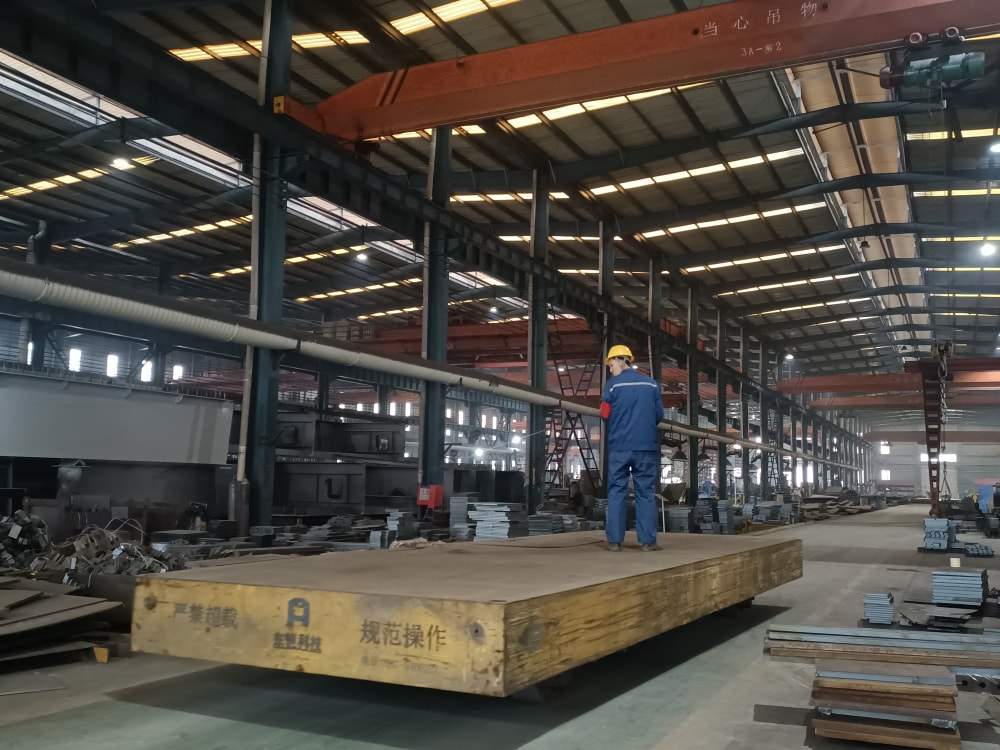
The fabrication process of industrial steel structures is critical to ensuring durability and structural integrity. The main steps include:
- Material Selection: Choosing high-quality steel that meets industry standards.
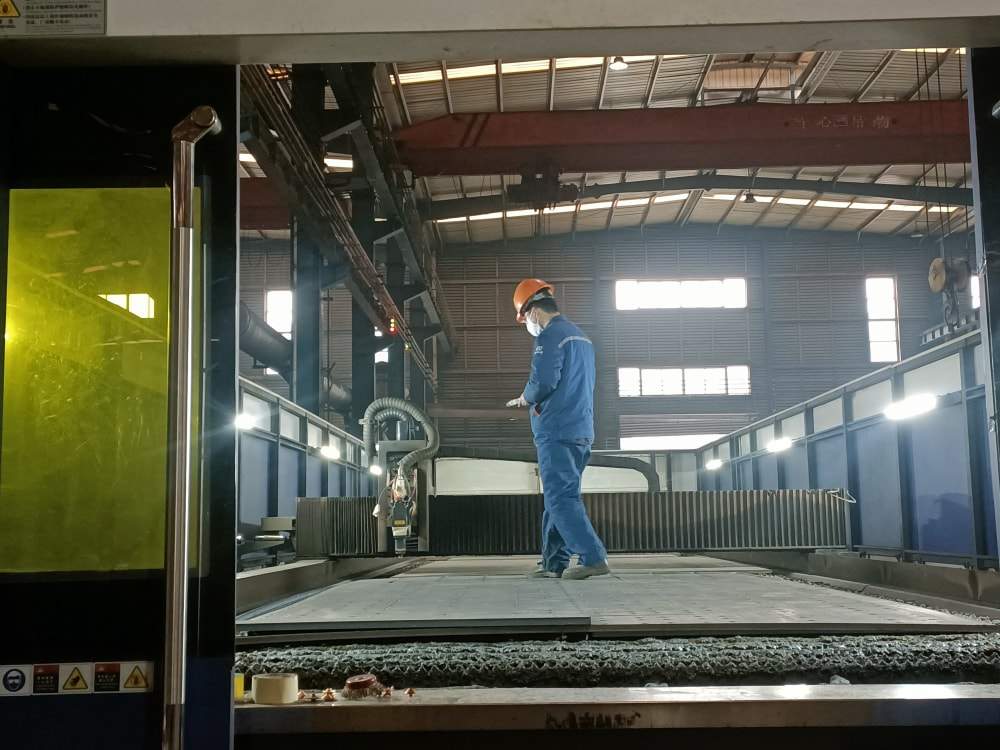
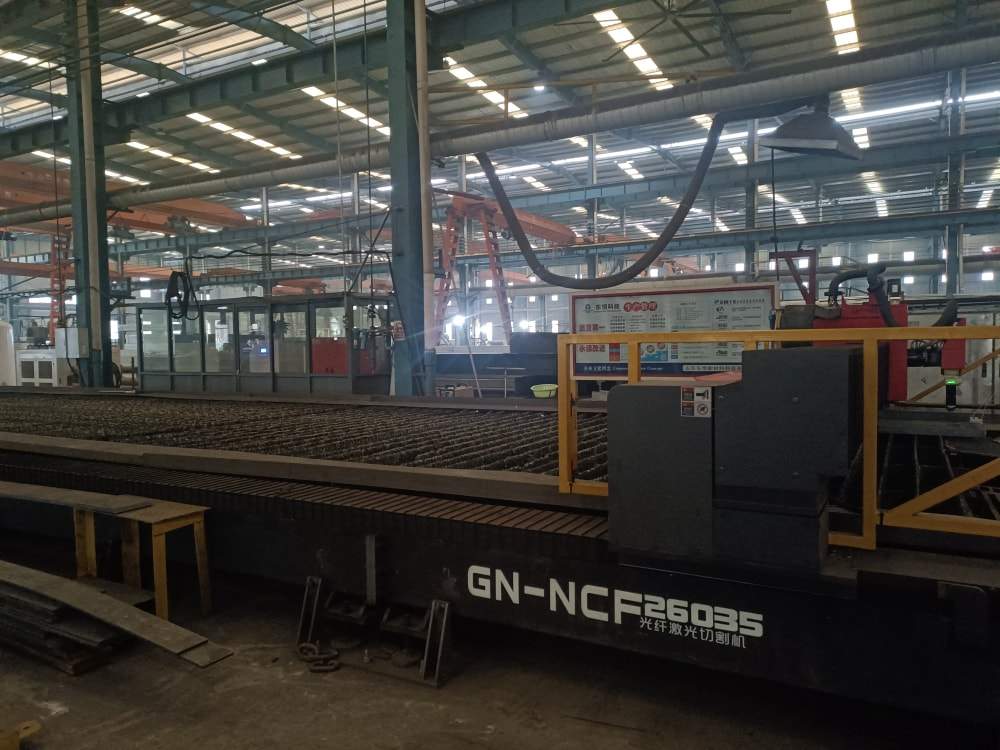
- Cutting and Shaping: Using precision cutting tools and CNC machinery.
- Welding and Assembly: Ensuring strong joints and accurate alignment.
- Prefabrication vs On-Site Construction: Prefabrication offers better quality control and faster assembly, while on-site construction allows customization at the project location.
| Structure Type | Typical Application | Advantages | Construction Time |
|---|---|---|---|
| Prefabricated Steel Buildings | Warehouses, Light Manufacturing | Fast assembly, consistent quality | 2-4 months |
| Custom Industrial Steel Buildings | Factories, Heavy Machinery Plants | Tailored design, optimized space | 4-8 months |
| Modular Steel Structures | Temporary Production, Expansion Projects | Scalable, easy to install | 1-3 months |
Advantages of Industrial Steel Structures
Industrial steel structures offer numerous advantages that make them the preferred choice for modern industrial applications:
- Cost-Effectiveness: Lower construction and maintenance costs over the building’s lifecycle.
- Structural Strength: High load-bearing capacity supports heavy machinery and equipment.
- Durability: Resistant to corrosion, fire, and pests.
- Flexibility: Easily modified or expanded to meet evolving operational needs.
- Environmental Sustainability: Steel is recyclable and reduces construction waste.
Choosing the Right Industrial Steel Structure for Your Project
Selecting the right industrial steel structure depends on several factors:
- Load Requirements: Evaluate machinery weight, storage needs, and roof loading.
- Space Utilization: Optimize layout for workflow efficiency.
- Prefabricated vs Custom: Prefabricated structures are faster and more economical, while custom buildings offer full design flexibility.
- Manufacturer Expertise: Partnering with an experienced industrial steel manufacturer ensures high-quality fabrication, timely delivery, and compliance with safety standards.
Case Studies and Real-World Applications
Industrial steel structures are widely used across industries. Here are a few examples:
- Warehouse Steel Structures: Logistics companies rely on open-span steel warehouses for efficient storage and distribution.
- Factory Steel Buildings: Heavy machinery plants use custom steel structures to accommodate specialized equipment and optimize production workflows.
- Modular Industrial Steel Structures: Expansion projects benefit from modular solutions, allowing phased growth without interrupting ongoing operations.
Cost Considerations for Industrial Steel Structures
Understanding the cost factors helps manufacturers plan budgets accurately:
- Material Costs: High-quality steel, coatings, and insulation materials.
- Fabrication Costs: Labor, machinery, and precision assembly.
- Installation Costs: Site preparation, transportation, and assembly.
- Long-Term Maintenance: Regular inspections, protective coatings, and minor repairs.
By planning for these costs upfront, companies can achieve a better return on investment while ensuring safe and efficient structures.
Future Trends in Industrial Steel Structures
The industrial steel construction industry continues to evolve with innovations that enhance efficiency and sustainability:
- Prefabricated and Modular Innovations: Faster assembly, lightweight components, and modular expansions.
- Green Construction Practices: Recycled steel, energy-efficient designs, and low-carbon manufacturing.
- Smart Steel Structures: Integration of IoT sensors for monitoring load, temperature, and maintenance needs.
Conclusion
Industrial steel structures are versatile, durable, and cost-effective solutions for modern industrial projects. From prefabricated warehouses to custom factories, choosing the right type of steel structure ensures operational efficiency, safety, and long-term value.
As a manufacturer of industrial steel structures, we provide tailored solutions to meet your unique project needs. Whether you are seeking a prefabricated solution, a custom design, or a modular expansion, our expertise ensures high-quality fabrication and reliable installation.
Looking for high-quality industrial steel structures? Contact us today to discuss your project and receive a personalized consultation.
FAQ
Q1: What are industrial steel structures used for?
A: Industrial steel structures are used for factories, warehouses, storage facilities, and manufacturing plants due to their durability, strength, and design flexibility.
Q2: What types of industrial steel structures are available?
A: Common types include prefabricated steel structures, custom industrial steel buildings, and modular steel structures, each suited for different industrial needs.
Q3: Are industrial steel structures cost-effective?
A: Yes, they are more cost-efficient than traditional concrete or timber buildings, offering lower construction and maintenance costs over their lifespan.
Q4: How long does it take to build an industrial steel structure?
A: Construction time varies by type: prefabricated structures take 2-4 months, custom buildings 4-8 months, and modular steel structures 1-3 months.
Q5: How do I choose the right industrial steel structure for my project?
A: Consider your load requirements, space needs, project timeline, and whether prefabricated, modular, or custom steel buildings best fit your industrial application.