Table of Contents
Introduction

Africa’s construction industry has been growing rapidly over the past decade, driven by urbanization, industrial expansion, and infrastructure development. High quality steel structures are becoming increasingly popular among developers, contractors, and investors because they combine durability, cost-efficiency, and design flexibility.
As a manufacturer specializing in high quality steel structures, we provide tailored solutions to meet the unique needs of African markets. From industrial warehouses to residential and commercial buildings, our products ensure long-lasting performance under Africa’s diverse climate conditions.
What Makes a Steel Structure “High Quality”
A truly high quality steel structure is more than just steel beams and columns. It is defined by the combination of material strength, design integrity, and manufacturing standards.
Steel Grades and Material Strength
Using premium steel grades ensures the structure can withstand heavy loads, high winds, and seismic activity. Structural steel certified under international standards guarantees reliability for industrial and commercial projects.
Corrosion Resistance and Anti-Rust Coating
Africa’s climates, from humid coastal regions to arid inland areas, demand steel structures with advanced corrosion protection. Zinc-coated or galvanized steel, combined with protective paint coatings, ensures longevity.
Structural Stability and Load-Bearing Capacity
High quality steel structures are engineered for superior stability. Accurate load calculations during design prevent structural failures and reduce maintenance costs over time.
Manufacturing Standards and Quality Control
As a manufacturer, we implement strict quality control at every stage—from raw material selection to final assembly. ISO-certified processes guarantee consistency and reliability in every structure we produce.
Advantages of Using High Quality Steel Structures in Africa

High quality steel structures offer multiple advantages over traditional construction methods:
- Faster Construction: Prefabricated steel components reduce on-site construction time, enabling projects to be completed efficiently.
- Cost-Efficiency: Reduced labor costs, lower material waste, and long-term durability translate into significant savings.
- Versatility: Steel structures can be adapted for industrial, commercial, and residential applications.
- Weather Resistance: Steel structures perform well under Africa’s extreme temperatures, heavy rainfall, and strong winds.
- Sustainability: Steel is fully recyclable, reducing environmental impact and supporting green building initiatives.
Common Applications of High Quality Steel Structures
High quality steel structures are suitable for a wide range of applications across Africa:
Industrial Warehouses and Factories – Large-scale storage facilities benefit from open floor plans and flexible layouts.
Agricultural Buildings and Storage Facilities – Steel barns and silos offer protection against pests and weather damage.
Mining and Logistics Infrastructure – Durable steel frames are ideal for industrial plants, processing units, and logistic centers.
Residential and Commercial Buildings – Modular steel homes and office buildings combine strength with modern aesthetics.
How to Choose the Right High Quality Steel Structure Supplier in Africa
Selecting a reliable steel structure supplier is critical for ensuring project success. Consider the following factors:
- Experience and Certifications: Choose manufacturers with proven expertise and internationally recognized certifications.
- Project Portfolio: Evaluate completed projects to verify quality and performance.
- Pricing vs Quality: Avoid suppliers that compromise steel quality for lower costs.
- Customization Options: Look for prefab, modular, and tailor-made designs to suit your project.
- Local Support: Ensure on-site installation support and after-sales service are available.
Cost Considerations for High Quality Steel Structures in Africa
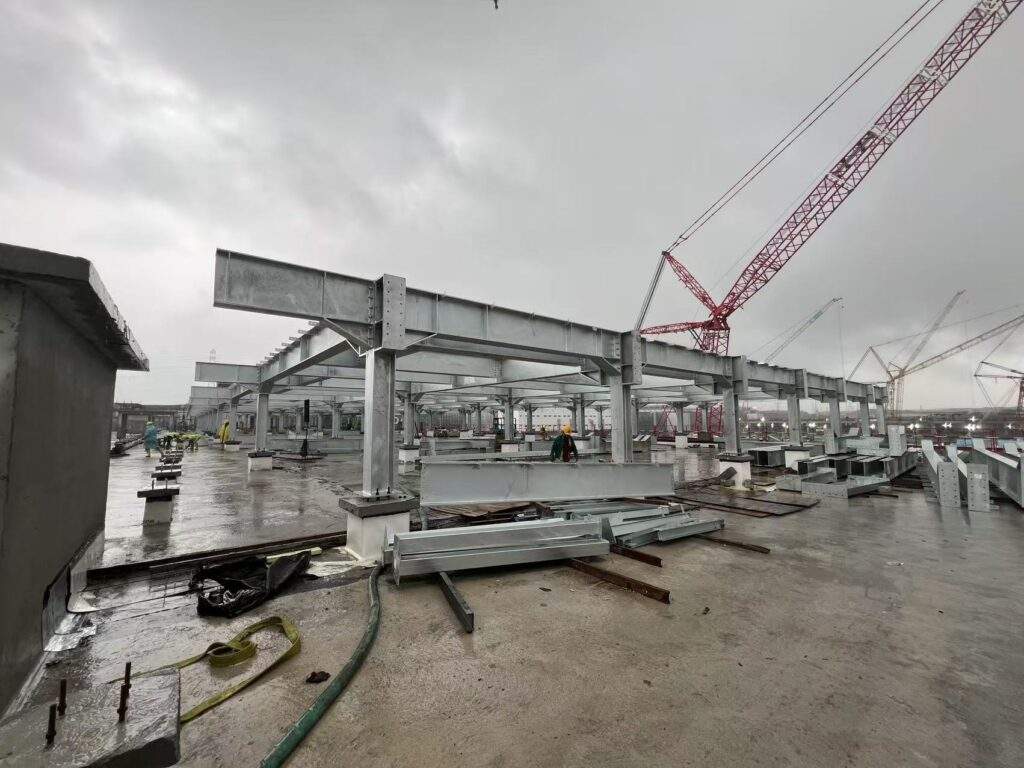
Cost varies depending on several factors: material grade, structural complexity, size, and design requirements. Prefabricated steel structures often offer a more predictable cost compared to traditional concrete buildings, with lower long-term maintenance expenses.
Example Cost Comparison Table (for reference)
| Structure Type | Approx. Size (sqm) | Material Grade | Estimated Cost (USD) | Construction Time |
|---|---|---|---|---|
| Warehouse | 1,000 | Q235B Steel | 80,000 | 3 months |
| Factory Building | 1,500 | Q345B Steel | 140,000 | 4 months |
| Residential Steel House | 250 | Q235B Steel | 35,000 | 2 months |
| Agricultural Storage Facility | 500 | Q345B Steel | 50,000 | 3 months |
Maintenance Tips for Long-Lasting Steel Structures
Proper maintenance ensures high quality steel structures remain durable for decades:
- Conduct regular inspections for signs of corrosion or structural damage.
- Reapply protective coatings as needed, especially in humid or coastal regions.
- Implement preventative measures during storms or heavy rainfall.
- Schedule periodic maintenance to maintain structural integrity and safety.
Manufacturer’s Insights on Future Trends
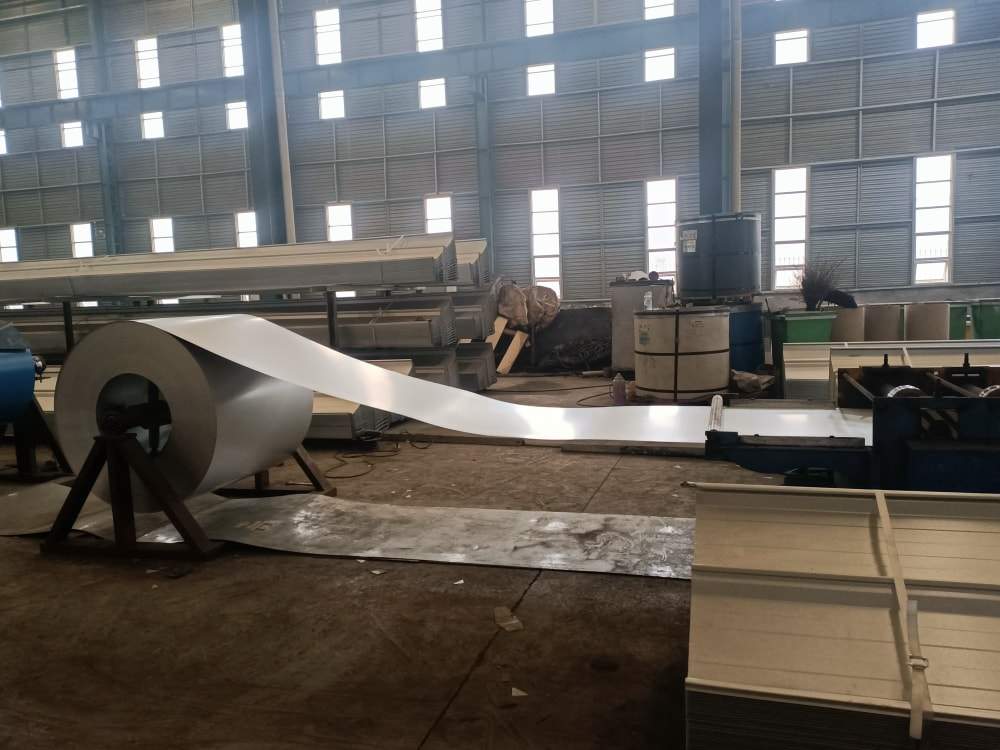
Africa’s construction sector is evolving, and steel structures are playing a central role in modernization:
- Increasing demand for modular and prefabricated buildings to reduce construction time.
- Technological innovations improving structural efficiency and design flexibility.
- Focus on sustainable construction using recyclable steel and green design practices.
- Manufacturers adapting solutions to local needs, including tropical and semi-arid climates.
Conclusion
High quality steel structures are transforming Africa’s construction landscape. They combine strength, durability, cost-efficiency, and sustainability, making them the preferred choice for developers, contractors, and investors. Choosing a reliable manufacturer is essential to ensure structural integrity, customization, and long-term performance.
As a manufacturer dedicated to serving Africa’s growing construction market, we provide turnkey solutions—from design and fabrication to installation—helping clients complete projects efficiently and sustainably. By investing in high quality steel structures, African developers can achieve faster, safer, and more cost-effective construction outcomes.
FAQ
What is the lifespan of a high quality steel structure?
Typically 30–50 years with proper maintenance and corrosion protection.
Can steel structures withstand African climate extremes?
Yes. Steel structures are engineered to resist high temperatures, heavy rains, and strong winds.
How customizable are steel structures for different industries?
Highly customizable. From warehouses to residential homes, structures can be tailored to specific requirements.
Is a steel structure more cost-effective than concrete in Africa?
Yes. Steel reduces construction time, long-term maintenance, and material waste, offering better ROI.
Where can I source reliable high quality steel structures locally?
Directly from certified manufacturers like us, who provide tailored solutions and on-site support.