Table of Contents
Introduction

Small structural steel bridges play a critical role in modern infrastructure, offering efficient solutions for roadways, pedestrian paths, and light rail systems. Despite their size, these bridges combine strength, durability, and cost-effectiveness, making them a preferred choice for municipalities, engineers, and designers around the world. Understanding the essential facts about small structural steel bridges can help stakeholders make informed decisions regarding design, maintenance, and safety considerations.
In this article, we will explore ten essential facts about small structural steel bridges, highlighting their advantages, challenges, and practical considerations. This comprehensive guide is designed to provide both technical insights and practical tips for anyone involved in bridge planning or construction.
Types of Small Structural Steel Bridges
Small structural steel bridges come in a variety of types, each suited for different applications and environments. The most common types include:
Beam Bridges
Beam bridges are the simplest form of small structural steel bridges. They rely on horizontal beams supported at each end by piers or abutments. Beam bridges are ideal for short spans and light to moderate traffic. Advantages include quick construction, low cost, and minimal maintenance requirements.
Truss Bridges
Truss bridges use a triangular framework to distribute loads efficiently. They are more complex than beam bridges but provide greater strength and span capabilities. Small truss bridges are often used in parks, rural areas, and pedestrian walkways due to their aesthetic appeal and structural efficiency.
Arch Bridges
Arch bridges are another popular form of small structural steel bridges. They utilize curved steel members to transfer loads to abutments, offering excellent durability and strength. Arch bridges are frequently chosen for scenic areas where visual impact is important.
Key Advantages

Understanding the advantages of small structural steel bridges can help explain why they are widely used across the globe. These benefits include:
- Durability: Steel resists environmental stresses, such as wind, rain, and temperature fluctuations, ensuring a long service life.
- Flexibility in Design: Steel allows for innovative designs that can adapt to challenging terrain and aesthetic requirements.
- Speed of Construction: Prefabricated steel components can be quickly assembled on-site, reducing construction time and traffic disruption.
- Low Maintenance Costs: Properly coated steel can resist corrosion and wear, lowering long-term maintenance expenses.
Table: Comparison of Small Structural Steel Bridge Types
| Bridge Type | Typical Span (m) | Advantages | Common Use Cases | Maintenance Requirement |
|---|---|---|---|---|
| Beam Bridge | 5-30 | Simple, low cost, quick assembly | Rural roads, pedestrian paths | Low |
| Truss Bridge | 15-100 | Strong, efficient load distribution | Parks, small vehicular roads | Medium |
| Arch Bridge | 10-80 | Durable, aesthetically pleasing | Scenic areas, pedestrian walkways | Medium |
| Cantilever Bridge | 20-60 | Can span obstacles without piers | Urban areas, small waterways | Medium-High |
| Suspension Bridge | 30-100 | Can cover longer spans, flexible | Parks, footbridges over rivers | Medium |
Materials and Coatings in Small Structural Steel Bridges
The steel used in small structural steel bridges is often high-strength, low-alloy steel designed to withstand both static and dynamic loads. Proper coatings and treatments are essential to prevent corrosion and extend service life. Common coatings include zinc galvanization, epoxy coatings, and weathering steel, each offering different levels of protection depending on environmental conditions.
Environmental Considerations
Small structural steel bridges are often exposed to harsh weather, pollution, and fluctuating temperatures. Selecting the right steel type and protective coating is critical to ensure longevity. Engineers must consider local climate, proximity to saltwater, and the likelihood of industrial pollution when choosing materials.
Load-Bearing Capacity

One of the most important considerations for small structural steel bridges is their load-bearing capacity. Despite their relatively small size, these bridges are engineered to handle substantial weight, from pedestrian traffic to light vehicles. Engineers must carefully calculate the expected loads, including dynamic forces, to ensure safety and structural integrity.
Factors Affecting Load Capacity
Several factors influence the load-bearing capacity of small structural steel bridges:
- Span Length: Longer spans may require additional supports or stronger steel members.
- Steel Grade: Higher-grade steels provide greater strength but may increase cost.
- Bridge Design: Beam, truss, or arch designs distribute loads differently.
- Environmental Conditions: Wind, seismic activity, and temperature changes can affect performance.
Understanding these factors helps engineers design bridges that are both safe and cost-effective.
Construction Techniques for Small Structural Steel Bridges
Construction techniques for small structural steel bridges have evolved significantly over the past decades. Modern prefabrication methods allow for rapid assembly and reduced site disruption. Key construction techniques include:
Prefabrication and Modular Construction
Prefabricated steel components are manufactured off-site and transported to the construction location. This approach:
- Reduces construction time
- Improves quality control
- Minimizes labor costs on-site
On-Site Assembly
While prefabrication is common, some small structural steel bridges require on-site assembly due to terrain constraints or customization needs. On-site assembly ensures that the bridge fits precisely within the intended environment.
Maintenance Requirements
Maintenance is crucial to prolong the life of small structural steel bridges. Regular inspections help identify corrosion, fatigue, or structural damage before it becomes critical. Typical maintenance activities include:
- Cleaning debris and drainage systems
- Repainting or recoating steel members
- Tightening bolts and checking connections
- Repairing or replacing damaged components
By following a proactive maintenance schedule, bridge owners can extend the lifespan of their infrastructure while reducing long-term costs.
Cost Considerations
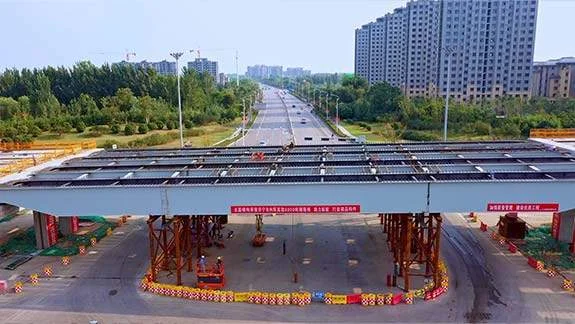
Cost is always a major factor in bridge projects. Small structural steel bridges are generally cost-effective due to their relatively small size and efficient use of materials. However, total project cost depends on several variables:
- Material costs
- Labor and construction time
- Maintenance over the lifespan
- Environmental mitigation or special design requirements
Comparing small structural steel bridges with alternatives, such as timber or concrete bridges, often reveals that steel bridges provide a superior balance between cost and durability.
Environmental Impact
Sustainability is an increasingly important consideration in bridge design. Small structural steel bridges can be environmentally friendly if designed responsibly:
- Steel is highly recyclable, reducing waste.
- Prefabrication minimizes site disturbance and environmental disruption.
- Proper coatings and treatments prevent environmental contamination.
Engineers can optimize environmental performance by selecting recycled steel, reducing material use, and minimizing emissions during construction.
Common Challenges
Despite their many advantages, small structural steel bridges face several challenges:
- Corrosion: Without proper coatings, steel can rust over time.
- Fatigue: Repeated loading can lead to material fatigue, especially in high-traffic areas.
- Vandalism or Accidental Damage: Small bridges are sometimes exposed to human or vehicle damage.
- Design Limitations: Some terrains or long spans may exceed the practical limits of small steel bridges.
Addressing these challenges requires careful planning, quality construction, and routine maintenance.
Future Trends
The future of small structural steel bridges is shaped by technology and innovation. Emerging trends include:
- Advanced Materials: High-performance steels and composites that improve strength and reduce weight.
- Smart Monitoring: Sensors embedded in bridges for real-time structural health monitoring.
- Sustainable Practices: Greater use of recycled steel and environmentally conscious construction methods.
- Innovative Designs: Unique architectural styles that combine functionality with aesthetics.
These trends ensure that small structural steel bridges remain a vital component of modern infrastructure.
Conclusion
Small structural steel bridges may appear modest in size, but they are remarkable examples of engineering efficiency and durability. By understanding the ten essential facts outlined in this article—ranging from types and materials to maintenance, cost, and future trends—engineers, planners, and infrastructure stakeholders can make informed decisions about design, construction, and management. With proper planning, small structural steel bridges offer a reliable, cost-effective, and sustainable solution for diverse applications.
FAQ
Q1: What is the typical lifespan of a small structural steel bridge?
A1: With proper maintenance and protective coatings, small structural steel bridges can last 50 to 100 years.
Q2: Are small structural steel bridges suitable for pedestrian use only?
A2: No. While many are designed for pedestrian traffic, others can accommodate light vehicles, bicycles, and even small trucks.
Q3: How often should inspections be conducted?
A3: Regular inspections are recommended every 1 to 3 years, with more frequent checks in harsh environments.
Q4: Can small structural steel bridges be relocated?
A4: Prefabricated bridges can sometimes be relocated, but on-site assembled bridges are more difficult to move without disassembly.
Q5: What makes steel a better choice than concrete for small bridges?
A5: Steel provides higher strength-to-weight ratio, faster construction, and flexibility in design compared to concrete.
Need Help Choosing the Right Steel Structure Building?
If you’re unsure which steel structure building is best for your project in Central Asia, our experts are here to guide you. Contact us today for a personalized consultation, and ensure your building is durable, cost-effective, and tailored to your needs. Don’t wait—get in touch now to secure a reliable and efficient solution for your industrial, commercial, or agricultural project!