Welcome to My Blog!
Before we dive into the content, if you’re interested in our products or have any questions, please feel free to visit our Contact Us page on the website. Our team is ready to assist you with inquiries, orders, or any support you may need.
Now, let’s get started on our journey together. I hope you find the content here insightful, engaging, and valuable.
Table of Contents
Introduction

C channel steel, also known as C-section steel, is a versatile structural material widely used in construction, infrastructure, and industrial applications. Its unique C-shaped profile provides excellent strength and load-bearing capacity while being lightweight and easy to handle. Understanding C channel steel dimensions is essential for ensuring structural integrity and proper fitting in any project.
In Central Asia, where construction and industrial projects are rapidly growing, selecting the correct dimensions for C channel steel is crucial. Accurate sizing helps prevent structural failures, optimizes material use, and ensures compatibility with local building standards.
What is C Channel Steel?
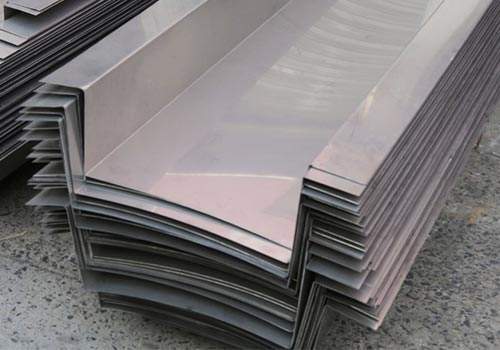
C channel steel is named for its distinctive “C” shape, which features a flat back and two flanges extending at right angles. It is commonly used in beams, supports, frames, and roofing structures due to its high strength-to-weight ratio.
Common Applications in Construction and Industry
- Industrial warehouses and factories
- Residential and commercial buildings
- Bridges and infrastructure projects
- Support frames for machinery and equipment
Why Accurate Dimensions Matter in Projects
Even minor errors in C channel steel dimensions can lead to misalignment, structural weakness, or increased costs. Builders and engineers must refer to standard dimension charts and load capacity tables to ensure safe and efficient construction.
Standard C Channel Steel Dimensions
Overview of Standard Sizes
C channel steel comes in a variety of widths, heights, thicknesses, and lengths. Standard dimensions typically include flange widths ranging from 20 mm to 200 mm, web heights from 50 mm to 400 mm, and thicknesses between 3 mm and 20 mm. Each size correlates with weight per meter, which is important for structural calculations.
Nominal vs Actual Dimensions Explained
Nominal dimensions represent the standardized size used for ordering, while actual dimensions account for manufacturing tolerances. Builders in Central Asia should always verify actual measurements to ensure proper fitting, especially for structural frameworks and load-bearing applications.
Standardization Systems and Their Relevance to Central Asia
C channel steel dimensions follow international standards such as ASTM, ISO, and EN. For Central Asian projects, referencing ASTM or ISO standards ensures compliance with regional construction codes and compatibility with imported materials.
How to Measure C Channel Steel Dimensions
Step-by-Step Measurement Guide
- Measure the height (web) from the base to the top of the flange.
- Measure the flange width on both sides to ensure symmetry.
- Measure the thickness of the web and flanges using a caliper.
- Verify the total length and check for any deviations from nominal dimensions.
Tools Needed for Accurate Measurement
- Caliper or micrometer for thickness
- Tape measure for length and flange width
- Spirit level for alignment checks
Avoiding Common Mistakes
Common errors include ignoring flange bending, misreading measurement units, or assuming all sizes are exact to nominal values. Double-check measurements and consult dimension charts before ordering.
C Channel Steel Dimension Chart and Load Capacity
Dimension-to-Weight Chart
Understanding the relationship between size and weight is key for budgeting and structural calculations. Standard C channel steel dimensions have corresponding weight per meter, which varies depending on flange width, web height, and thickness.
How Dimensions Affect Load Capacity in Construction
Larger flanges and thicker webs increase load-bearing capacity. For heavy-duty projects, selecting the correct C channel steel dimensions ensures safety and longevity.
Examples for Industrial and Residential Projects in Central Asia
- Light residential structures: 50x25x3 mm C channel steel
- Medium commercial buildings: 100x50x5 mm C channel steel
- Heavy industrial applications: 200x100x10 mm C channel steel
Choosing the Right C Channel Steel for Central Asian Projects
Factors to Consider
- Project type: residential, commercial, or industrial
- Load requirements: bending, compression, and shear loads
- Budget constraints and material availability
C Channel vs U Channel Steel: Which is Better?
While C channel steel provides greater flange width for better load distribution, U channel steel may be used where compactness is required. For most Central Asian construction projects, C channel steel offers better structural performance.
Recommended Sizes for Common Projects
Refer to standardized charts and supplier catalogs to select the optimal size. Popular sizes in Central Asia include 75x40x4 mm for general supports and 150x75x8 mm for industrial frameworks.
Where to Buy C Channel Steel in Central Asia
Reliable Suppliers and Distributors
Although you may not be based in Central Asia, you can reach local builders and industrial clients by offering standardized C channel steel dimensions through trusted logistics partners. Highlight certifications, dimension compliance, and quality assurance to attract buyers.
How to Order Standard and Custom Sizes
Provide clear dimension charts, customization options, and bulk order capabilities. Central Asian clients often need both standard and custom sizes for large-scale projects.
Shipping and Delivery Tips
Partner with reliable freight and shipping companies. Ensure proper packaging to prevent damage during transit. Offer tracking and support for international orders to build credibility.
Pricing and Cost Considerations
Cost Per Meter by Dimension
Prices vary depending on thickness, width, and material grade. For example, a 100x50x5 mm C channel steel will cost more than a 50x25x3 mm piece due to material volume and weight.
Factors Affecting Price
- Steel grade and material quality
- Supplier location and shipping costs
- Market demand and availability
How to Compare Quotes from Different Suppliers
Encourage clients to consider both price and quality. Provide transparent quotes, including shipping fees, to facilitate informed purchasing decisions.
Conclusion
Choosing the right C channel steel dimensions is crucial for safe, efficient, and cost-effective construction in Central Asia. By understanding standard sizes, measurement techniques, and load capacity, project managers and builders can ensure successful outcomes.
As a supplier of high-quality C channel steel, we offer a full range of standard and custom dimensions suitable for residential, commercial, and industrial projects across Central Asia. Contact us today for a quote, and let our expertise support your next construction project.
FAQ
What are standard C channel steel dimensions?
Standard C channel steel dimensions vary by height, flange width, and thickness. Common sizes range from 50x25x3 mm to 200x100x10 mm, depending on the application and load requirements.
How do I measure C channel steel dimensions accurately?
Measure the web height, flange width, and thickness using a caliper or tape measure. Always check against the supplier’s dimension chart to ensure accuracy.
What is the difference between nominal and actual C channel steel dimensions?
Nominal dimensions are the standardized size for ordering, while actual dimensions account for manufacturing tolerances. Builders should verify actual sizes before installation.
How does the C channel steel dimension affect load capacity?
Larger web height and thicker flanges increase the steel’s load-bearing capacity, making it suitable for heavier construction projects.
Where can I buy C channel steel by dimension in Central Asia?
You can order from reputable suppliers who offer international shipping or have distribution partners in Central Asia. Ensure they provide standardized or custom dimension options.
Need Help Choosing the Right C Channel Steel Dimension?
If you’re unsure which C channel steel size is best for your construction or industrial project in Central Asia, our experts are here to guide you. Contact us today for a personalized consultation, and ensure your structure is strong, safe, and meets project requirements. Don’t risk using the wrong steel—get in touch now to secure the right materials for your project!