Welcome to My Blog!
Before we dive into the content, if you’re interested in our products or have any questions, please feel free to visit our Contact Us page on the website. Our team is ready to assist you with inquiries, orders, or any support you may need.
Now, let’s get started on our journey together. I hope you find the content here insightful, engaging, and valuable.
Table of Contents
Introduction

Bridge steel structures are engineered frameworks designed to support the weight and dynamic loads of traffic while spanning obstacles such as rivers, highways, or valleys. Composed primarily of high-strength steel components, these structures are widely recognized for their durability, flexibility, and adaptability. Over the past century, steel has become a cornerstone in bridge construction, replacing traditional materials like timber and concrete in many urban and industrial applications.
Steel bridges consist of essential components including beams, girders, trusses, and joints. Modern construction techniques often involve prefabricated elements that allow for faster assembly and reduced disruption to surrounding areas. As Central Asian cities undergo rapid urbanization, the demand for reliable and cost-effective bridge infrastructure has never been higher. Understanding the fundamentals of steel bridge construction is essential for planning sustainable urban development.
Urban Development Challenges in Central Asian Cities
Cities across Central Asia, including Almaty, Tashkent, Bishkek, Dushanbe, and Ashgabat, face unprecedented growth and urbanization. Rapid population increases have led to congested road networks and increased demand for efficient transport solutions. Traditional concrete bridges often require lengthy construction periods, high maintenance, and significant space for on-site assembly, which can hinder urban expansion.
Moreover, Central Asia presents unique environmental challenges. Extreme temperature fluctuations, seismic activity, and high wind speeds in certain regions demand resilient infrastructure solutions. Urban planners must consider not only the load-bearing capacity of bridges but also their long-term durability and adaptability to climate conditions. Steel bridge structures address many of these challenges effectively.
Advantages of Using Steel Structures for Bridges

Steel bridge structures offer multiple advantages that make them ideal for urban development in Central Asian cities:
- High Strength-to-Weight Ratio: Steel provides superior strength without adding excessive weight, enabling longer spans and lighter foundations.
- Durability and Longevity: Properly treated steel resists corrosion and withstands extreme temperatures, ensuring decades of reliable service.
- Faster Construction: Prefabricated steel components can be assembled on-site rapidly, reducing traffic disruptions and construction costs.
- Cost Efficiency: Though initial costs may be higher than concrete, steel bridges require less maintenance and offer lower lifecycle costs.
- Flexibility in Design: Steel can accommodate various architectural styles and complex geometries, supporting modern urban aesthetics.
These benefits collectively make steel bridges a smart choice for Central Asian cities striving to modernize their infrastructure while managing budget constraints.
Types of Bridge Steel Structures Commonly Used in Central Asia
Urban planners and engineers in Central Asia commonly employ several types of steel bridges, each suited to specific project requirements:
- Truss Bridges: Efficient for long spans, offering high load-bearing capacity through interconnected triangular units.
- Girder Bridges: Simple yet versatile, ideal for highways and urban road networks.
- Arch Bridges: Aesthetic and functional, often used for river crossings in city centers.
- Cable-Stayed Steel Bridges: Modern, visually striking designs that handle long spans effectively.
- Modular Prefabricated Steel Bridges: Quick to assemble, ideal for temporary or emergency infrastructure needs.
Choosing the appropriate bridge type depends on traffic demands, site conditions, and urban design objectives.
Design Considerations for Central Asian Urban Bridges
Designing steel bridges for Central Asian cities involves careful planning to address structural, environmental, and aesthetic factors:
- Load and Traffic Analysis: Ensuring bridges can safely support current and projected traffic volumes.
- Seismic and Wind Resistance: Central Asia’s varied topography and seismic zones require reinforced designs.
- Aesthetic Integration: Bridges should complement cityscapes, public spaces, and cultural landmarks.
- Compliance with Standards: Local regulations and international codes, such as ISO and ASTM, guide design quality and safety.
By addressing these considerations, engineers can ensure safe, functional, and visually appealing bridges that enhance urban mobility.
Construction Techniques and Best Practices
Modern steel bridge construction in Central Asia leverages advanced techniques to optimize efficiency and quality:
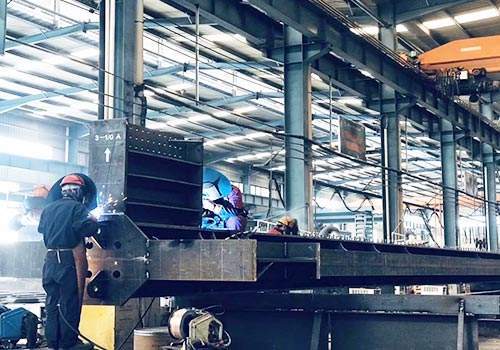
- Prefabrication and Modular Assembly: Reduces on-site work, minimizes traffic disruption, and ensures consistent quality.
- Welding and Riveting Techniques: Proper joint techniques are critical for structural integrity.
- On-site Installation Challenges: Urban areas require precise coordination to minimize impact on surrounding infrastructure.
- Maintenance Planning and Corrosion Protection: Regular inspection, painting, and protective coatings extend bridge lifespan.
Employing these methods ensures steel bridges remain functional and safe under heavy urban use.
Case Studies of Successful Steel Bridge Projects in Central Asia
Several Central Asian cities have successfully integrated steel bridges into urban development:
- Kazakhstan: Major highway overpasses in Almaty use modular steel designs to handle high traffic volumes efficiently.
- Uzbekistan: Prefabricated steel bridges accelerate river crossings, supporting trade and urban expansion.
- Kyrgyzstan and Tajikistan: Mountainous regions utilize steel truss bridges for durability and reduced maintenance.
- Turkmenistan: Urban centers feature steel arch and cable-stayed bridges that enhance city aesthetics while supporting infrastructure growth.
These examples highlight the versatility and strategic benefits of steel bridge structures in diverse urban environments.
Environmental and Economic Impact
Steel bridges contribute positively to both environmental sustainability and economic efficiency:
- Reducing Traffic Congestion: Faster construction minimizes urban disruption.
- Sustainable Practices: Steel is recyclable and supports environmentally friendly construction methods.
- Cost Savings: Long-term maintenance is lower than traditional materials, benefiting municipal budgets.
- Adaptability: Steel bridges can be upgraded or expanded as cities grow, reducing the need for costly replacements.
Integrating steel bridge structures aligns with sustainable urban planning initiatives and economic efficiency.
Future Trends in Steel Bridge Structures for Central Asia

As Central Asian cities continue to grow, several trends are shaping the future of steel bridge construction:
- Smart Bridges: Integration of sensors and monitoring systems for real-time performance data.
- Advanced Steel Materials: New alloys offer improved corrosion resistance and higher strength-to-weight ratios.
- Prefabrication and Modular Expansion: Facilitates rapid urban development and temporary infrastructure solutions.
- Public-Private Partnerships: Collaborative funding models support large-scale urban infrastructure projects.
These innovations ensure steel bridges remain a cornerstone of modern urban development in Central Asia.
Conclusion
Bridge steel structures provide an ideal solution for urban development in Central Asian cities, combining strength, durability, and design flexibility. Their adaptability to harsh climates, rapid construction capabilities, and long-term cost efficiency make them essential for modernizing infrastructure. By leveraging steel bridges, Central Asian urban planners and engineers can build safer, more sustainable, and aesthetically pleasing urban environments that meet the growing demands of their cities.
FAQ
What is a bridge steel structure?
A bridge steel structure is a bridge framework made primarily of high-strength steel, designed to support traffic loads while spanning obstacles like rivers or highways. It offers durability, flexibility, and faster construction compared to traditional materials.
Why are steel structures ideal for urban development in Central Asia?
Steel bridges provide high strength-to-weight ratios, long-term durability, rapid construction, and cost efficiency, making them perfect for rapidly growing urban areas in countries like Kazakhstan, Uzbekistan, and Kyrgyzstan.
What types of steel bridges are commonly used in Central Asian cities?
Common types include truss bridges, girder bridges, arch bridges, cable-stayed steel bridges, and modular prefabricated steel bridges, each suitable for different urban and environmental conditions.
How do steel bridges handle harsh Central Asian climates?
Steel bridges are treated with corrosion-resistant coatings and designed to withstand temperature extremes, seismic activity, and high winds, ensuring long-lasting performance in diverse Central Asian regions.
What are the maintenance requirements for bridge steel structures?
Regular inspections, painting or coating, and joint monitoring are key. Proper maintenance ensures safety, prolongs lifespan, and keeps the bridge functional for decades with minimal disruptions.
Need Help Choosing the Right Bridge Steel Structure?
If you’re unsure which steel bridge design or type is best suited for your urban development project in Central Asia, our experts are here to guide you. Contact us today for a personalized consultation, and ensure your bridge is safe, durable, and cost-effective. Don’t wait until delays or costly mistakes occur—get in touch now to build reliable infrastructure for your city!