Welcome to My Blog!
Before we dive into the content, if you’re interested in our products or have any questions, please feel free to visit our Contact Us page on the website. Our team is ready to assist you with inquiries, orders, or any support you may need.
Now, let’s get started on our journey together. I hope you find the content here insightful, engaging, and valuable.
Table of Contents
Introduction

C-Channel steel, also known as channel steel, is a type of structural steel that features a C-shaped cross-section. Its unique design offers a balance of strength and flexibility, making it ideal for a wide range of construction projects. Compared to other structural steel options such as I-beams or U-channels, C-Channel steel is lightweight yet highly durable.
One of the primary advantages of C-Channel steel is its versatility. It can be used for framing, roofing, bridges, industrial structures, and even warehouse storage systems. Additionally, it allows for easier handling, cutting, and welding, reducing labor costs and installation time on construction sites. This combination of efficiency and performance makes it an attractive choice for builders and engineers across Southeast Asia.
Growing Demand for C-Channel Steel in Southeast Asia
Southeast Asia has experienced rapid urbanization over the past decade, fueling demand for modern infrastructure and residential development. Countries like Malaysia, Vietnam, Thailand, and Indonesia are investing heavily in industrial facilities, commercial buildings, and large-scale residential projects.
C Channel steel is increasingly chosen due to its structural reliability and adaptability to different construction needs. It is commonly used in factories, warehouses, bridges, and multi-story buildings. Market reports indicate that the demand for structural steel, including C Channel steel, is projected to grow steadily over the next five years, driven by government infrastructure initiatives and private sector development.
Types and Specifications of C-Channel Steel
C-Channel steel comes in various sizes, thicknesses, and material grades to suit diverse construction requirements. Standard dimensions range from small light-gauge channels to heavy-duty steel sections capable of supporting significant loads.
Builders in Southeast Asia often select between hot-rolled and cold-rolled C Channel steel. Hot-rolled steel is ideal for heavy structural applications due to its high strength, while cold-rolled steel offers smoother surfaces and precise dimensions for lighter projects.
Common material standards, such as ASTM or JIS, ensure that the steel meets quality and safety requirements. Custom sizes and cut-to-length services are also widely available, allowing builders to reduce waste and optimize project efficiency.
Applications of C-Channel Steel in Southeast Asian Construction
C-Channel steel is versatile and widely used in Southeast Asian construction. Its primary applications include:
- Residential Buildings: Framing for homes and apartment complexes, supporting roofs, and floor structures.
- Commercial and Industrial Structures: Used in factories, office buildings, and shopping centers.
- Warehouses and Factories: Ideal for racking systems, mezzanine floors, and structural frameworks.
- Bridges and Roofing Systems: Lightweight yet strong enough for bridges, canopies, and industrial roofing.
Its ability to support heavy loads while remaining relatively lightweight makes it particularly suitable for regions with challenging logistics or tropical climates.
Benefits of C Channel Steel for Local Builders
C-Channel steel offers several benefits for construction projects in Southeast Asia:
- Cost-Effective: Compared to other steel beams, C Channel steel often provides better value due to its efficient design and ease of installation.
- Lightweight yet Strong: Its C-shaped profile delivers high strength-to-weight ratio, simplifying transportation and on-site handling.
- Ease of Fabrication and Installation: C Channel steel can be welded, bolted, or cut to length with relative ease, reducing labor time and construction delays.
These benefits explain why more contractors and builders in Southeast Asia are adopting C-Channel steel for both small and large-scale projects.
Purchasing and Sourcing C-Channel Steel in Southeast Asia
Sourcing high-quality C Channel steel is crucial for construction success. Southeast Asian builders can find reliable suppliers and manufacturers in countries like Malaysia, Thailand, Vietnam, and Indonesia.
Price trends for C-Channel steel vary depending on factors such as steel grade, thickness, and market demand. Wholesale purchasing or direct factory orders can help reduce costs. Additionally, many suppliers offer custom cut-to-length services to meet project-specific requirements, which reduces waste and improves efficiency. When buying, it is essential to verify certifications and standards to ensure material quality.
Installation Tips and Best Practices
Proper installation is key to maximizing the performance of C Channel steel structures. Some best practices include:
- Correct Handling: Always lift and transport steel with proper support to avoid bending or damage.
- Welding and Bolting: Use recommended welding techniques and bolt sizes to maintain structural integrity.
- Alignment and Bracing: Ensure accurate alignment and temporary bracing during installation to prevent deformation.
- Avoid Common Mistakes: Do not overload a single C-Channel, and always follow design specifications for spacing and support.
Following these best practices ensures that the construction is safe, durable, and compliant with regional standards.
Maintenance and Durability
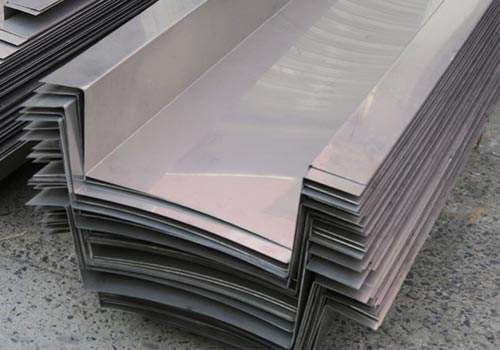
C-Channel steel is known for its long lifespan and durability, especially when properly maintained. Key considerations include:
- Corrosion Resistance: Galvanized or coated steel provides excellent protection against rust, particularly in humid tropical climates.
- Regular Inspections: Periodic inspections can detect early signs of wear or corrosion, allowing timely maintenance.
- Reinforcement and Repairs: Minor damages can be repaired through welding or replacement of sections, extending the life of the structure.
With proper care, C-Channel steel structures can last decades, making them a reliable investment for builders and property developers.
FAQ
What is C-Channel steel?
C-Channel steel is a type of structural steel with a C-shaped cross-section, commonly used for framing, roofing, bridges, and industrial buildings.
What are the main benefits of C-Channel steel?
It is lightweight yet strong, easy to install and fabricate, cost-effective, and versatile for various construction projects.
Where is C-Channel steel commonly used?
It is widely used in residential buildings, commercial structures, warehouses, factories, and bridge frameworks.
How do I choose the right size of C-Channel steel?
The right size depends on the load it needs to support, the span length, and the material grade. Refer to manufacturer tables or consult a structural engineer.
How can C-Channel steel resist corrosion in tropical climates?
Using galvanized or coated C-Channel steel provides protection against rust, ensuring durability even in humid or rainy environments.
Need Help Choosing the Right C-Channel Steel for Your Project?
If you’re unsure about which C-Channel steel size or type is best for your building or industrial project, our experts are here to help. Contact us today for a personalized consultation, and ensure your structure is strong, durable, and cost-effective. Don’t wait until construction delays or structural issues arise—get in touch now to make the right choice for your project!