Welcome to My Blog!
Before we dive into the content, if you’re interested in our products or have any questions, please feel free to visit our Contact Us page on the website. Our team is ready to assist you with inquiries, orders, or any support you may need.
Now, let’s get started on our journey together. I hope you find the content here insightful, engaging, and valuable.
Table of Contents
Choosing the right structural steel supplier is a crucial step in any construction, manufacturing, or infrastructure project. Whether you’re building a commercial property, bridge, or heavy machinery, the quality of the steel you use will determine the integrity and durability of your project. In this guide, we’ll explore what a structural steel supplier is, how to choose the best one, and key factors to consider for your next project.
What is a Structural Steel Supplier?

A structural steel supplier is a company that provides a wide range of steel products used in the construction of buildings, bridges, roads, and other infrastructure projects. These products can include beams, columns, plates, angles, and more. The steel provided by suppliers is designed to meet specific standards and can be customized for various types of projects.
Definition of Structural Steel
Structural steel refers to a category of steel products that are manufactured specifically for structural applications. These include steel beams, columns, angles, and plates, designed to support loads and provide stability in building frameworks and infrastructure projects. The steel is typically of high strength, making it ideal for use in large-scale construction.
Types of Steel Used by Suppliers
Common types of structural steel supplied include:
- Carbon Steel: Frequently used in structural applications, including ASTM A36 steel, a versatile and widely used grade.
- Stainless Steel: Known for its corrosion resistance, often used in environments where rust or weathering could be a concern.
- High-Strength Low-Alloy Steel: Steel that is designed for use in high-stress environments, offering improved strength without a significant increase in weight.
Role of Structural Steel in Construction and Industry
Structural steel plays a critical role in nearly all construction and industrial projects, serving as the backbone for building frames, bridges, towers, and other essential infrastructure. Its strength and versatility make it ideal for supporting heavy loads, withstanding environmental stresses, and providing long-term durability.
How to Choose the Best Structural Steel Supplier
When selecting a structural steel supplier, it’s essential to consider factors such as quality, cost, delivery time, and reputation. Here’s how to make sure you choose the right supplier for your project.
Factors to Consider When Selecting a Supplier
- Quality Certifications (ISO, ASTM): Look for suppliers that are certified by industry-recognized bodies like ISO and ASTM. These certifications ensure that the steel meets required standards for strength, durability, and safety.
- Supplier Reputation and Experience: A reputable supplier will have a proven track record and industry experience. Check customer reviews, ask for references, and assess the company’s past projects to gauge their reliability.
- Delivery and Logistics Capabilities: Ensure that the supplier can meet your delivery deadlines and offers reliable transportation services. Some projects require fast, bulk delivery, which should be a key consideration.
Importance of Customer Service in Choosing a Supplier
Strong customer service is vital when selecting a structural steel supplier. You should be able to easily communicate with the supplier, clarify any doubts about your order, and ensure that they can meet your specific needs. Suppliers who provide excellent customer service are also more likely to offer timely support throughout the duration of your project.
How to Verify the Reliability of a Structural Steel Supplier
To ensure the reliability of a supplier, check if they provide clear and transparent pricing, have established quality control practices, and can demonstrate experience in your specific industry. Additionally, visit their facility or manufacturing site if possible, or request detailed product specifications and certifications.
Red Flags to Watch for When Choosing a Supplier
- Unclear pricing with hidden fees
- Lack of necessary quality certifications
- Delayed or inconsistent delivery times
- Poor customer support and communication
Common Types of Structural Steel and Their Uses

Structural steel suppliers offer a wide variety of products, each designed for different uses in construction and industry. Let’s break down some of the most common types of structural steel and their applications.
Steel Beams: The Backbone of Structural Projects
Steel beams are one of the most common types of structural steel, used extensively in the construction of building frameworks, bridges, and other large structures. They are designed to bear heavy loads and provide stability, making them essential for tall buildings and heavy infrastructure projects.
Steel Columns: Essential for Load Bearing
Steel columns are vertical structural elements used to support beams, slabs, and other structural components. They are essential for load-bearing in high-rise buildings, industrial facilities, and large-scale infrastructure projects.
Steel Plates and Angles: Versatility in Construction
Steel plates and angles are versatile materials used for a wide range of applications, including bridge decks, flooring systems, and industrial machinery. Their adaptability makes them a go-to choice for many types of construction.
Custom Fabrication Services from Structural Steel Suppliers
Many structural steel suppliers offer custom fabrication services, allowing you to tailor steel products to the specific needs of your project. Custom fabrication ensures that the steel meets the precise dimensions, shapes, and strength requirements for your unique construction challenges.
How Much Does Structural Steel Cost?
The cost of structural steel can vary based on factors such as grade, size, and quantity. Other considerations, like delivery time and any customization or additional processing required, can also affect pricing.
Factors That Affect the Cost of Structural Steel
- Steel Grade and Quality: Higher-grade steel with more stringent requirements for strength and durability will cost more.
- Quantity and Order Size: Bulk orders typically come with discounts, while smaller orders may be priced higher.
- Delivery Fees and Lead Time: The distance between the supplier and your project site can affect shipping costs, while urgent orders may come with higher delivery fees.
How to Get the Best Deal from Structural Steel Suppliers
To get the best deal on structural steel, compare prices from multiple suppliers, look for discounts on bulk orders, and inquire about long-term relationships for future projects.
Key Benefits of Choosing Local Structural Steel Suppliers

Choosing a local structural steel supplier offers several advantages, including faster delivery times, lower shipping costs, and improved communication.
Faster Delivery Times
Local suppliers can often deliver steel products more quickly, ensuring that your project stays on schedule. This is particularly important for time-sensitive projects like commercial buildings or critical infrastructure.
Lower Shipping Costs
Since the supplier is closer to your project site, shipping costs are generally lower. This can help reduce the overall cost of your materials, especially when dealing with large volumes of steel.
Better Communication and Customer Support
Working with a local supplier often makes it easier to communicate directly and resolve issues quickly. Local suppliers are also more likely to understand regional building codes and regulations, helping ensure compliance with local laws.
Why Quality Matters in Structural Steel
The quality of structural steel directly impacts the safety, durability, and longevity of your project. Low-quality steel can lead to structural failure, increased maintenance costs, and safety hazards.
The Importance of Quality Certifications (ISO, ASTM)
Quality certifications such as ISO 9001 and ASTM A36 ensure that the steel meets the required standards for strength, durability, and performance. These certifications are essential for high-quality, reliable steel.
How Reliable Suppliers Ensure Quality Control
Reliable suppliers implement rigorous quality control processes, including material testing and regular inspections. This ensures that the steel products you receive meet industry standards and are suitable for your construction needs.
Structural Steel Supply Services: What’s Available?
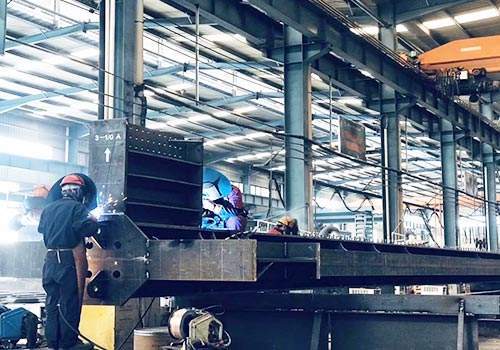
In addition to supplying steel, many structural steel suppliers offer additional services to support your project needs.
Custom Fabrication and Cutting Services
Many suppliers offer custom fabrication to ensure that steel products are cut and shaped to the exact specifications of your project. This service helps streamline the construction process and reduces the need for additional on-site modifications.
Delivery and Transportation Services
Reliable steel suppliers offer delivery services, ensuring that your steel products arrive on time and in good condition. Some suppliers also provide specialized transportation for large or heavy steel items.
Conclusion
Selecting the right structural steel supplier is crucial to the success of your project. By considering factors such as quality, cost, delivery time, and reputation, you can find a supplier who will meet your needs and ensure that your steel products are delivered on time and within budget. Remember to prioritize quality and reliability to safeguard the integrity of your construction or industrial projects.
FAQ
What is a structural steel supplier?
A structural steel supplier provides high-quality steel products used in the construction of buildings, bridges, and other infrastructure. They offer steel beams, columns, plates, and custom fabrication services to meet the needs of various projects.
How do I choose the right structural steel supplier for my project?
To choose the right supplier, consider factors like their reputation, quality certifications (ISO, ASTM), customer reviews, delivery capabilities, and whether they offer custom fabrication services to meet your specific project needs.
What types of structural steel do suppliers offer?
Structural steel suppliers offer a variety of products, including steel beams, columns, plates, angles, and custom-fabricated steel to meet different construction and industrial requirements. The steel is typically available in carbon, stainless, and high-strength alloys.
How much does structural steel cost?
The cost of structural steel depends on factors such as the grade of steel, the quantity ordered, and any additional services like cutting or welding. Bulk orders generally come with discounts, while custom fabrications may increase the cost.
Why is quality important when choosing a structural steel supplier?
Quality is crucial because structural steel ensures the safety and durability of your project. Certified suppliers (e.g., ISO 9001, ASTM) provide steel that meets industry standards for strength and reliability, reducing the risk of structural failure.
Ready to Choose the Right Structural Steel Supplier for Your Project?
Whether you’re working on a commercial, industrial, or infrastructure project, selecting a reliable structural steel supplier is crucial for success. Contact us today to discuss your specific needs, request a quote, or learn more about our custom steel solutions.
Get in touch with our expert team now and ensure the strength and reliability of your next project!