Welcome to My Blog!
Before we dive into the content, if you’re interested in our products or have any questions, please feel free to visit our Contact Us page on the website. Our team is ready to assist you with inquiries, orders, or any support you may need.
Now, let’s get started on our journey together. I hope you find the content here insightful, engaging, and valuable.
Table of Contents
Building structural steel is a cornerstone of modern construction. From skyscrapers to bridges, industrial facilities to residential homes, steel provides the strength, durability, and versatility needed to create stable and long-lasting structures. In this comprehensive guide, we’ll dive into the world of building structural steel—exploring what it is, the types available, the numerous benefits it offers, and its many applications. If you’re looking to understand how structural steel can be used in your next project, this article is for you.
What is Building Structural Steel?

Building structural steel refers to steel that is specifically designed and used for constructing the framework of buildings and infrastructure projects. Unlike other types of steel used in manufacturing, this steel is engineered to handle the immense loads and stresses associated with supporting buildings, bridges, and other large structures.
Definition of Building Structural Steel
Structural steel consists of shapes like beams, columns, and plates, which are fabricated into specific forms to support a building’s framework. These components are manufactured according to strict engineering standards, ensuring that they can withstand both static and dynamic loads, such as weight from the structure itself, wind, and seismic forces.
How Structural Steel Supports Building Stability
Steel plays a crucial role in maintaining the stability of a building. It acts as a framework that distributes the weight and forces throughout the structure. Steel’s high tensile strength allows it to resist deformation under stress, making it an ideal material for supporting heavy loads and withstanding environmental forces.
Key Components of Structural Steel (Beams, Columns, Frames)
- Beams: Horizontal elements that bear the load of the structure above them, commonly found in floors and ceilings.
- Columns: Vertical members that transfer loads from the beams and floors to the foundation.
- Frames: A combination of beams and columns that form the skeleton of a building, ensuring the structural integrity of the entire system.
Types of Building Structural Steel
When selecting structural steel for a construction project, it’s important to understand the different types available. Each type has distinct characteristics suited to specific building needs.
Carbon Steel
Carbon steel is the most common type of steel used in building construction. It is strong, cost-effective, and suitable for a wide range of applications. Carbon steel is particularly advantageous for buildings that require high-strength materials but don’t face extreme environmental challenges.
Stainless Steel
Stainless steel is known for its corrosion resistance, making it ideal for buildings in harsh environments. It’s often used for structures exposed to water or chemicals, such as bridges, coastal buildings, or areas prone to high humidity. While it is more expensive than carbon steel, its durability and low maintenance make it a popular choice for projects that demand longevity.
Alloy Steel
Alloy steel contains additional elements such as chromium, nickel, and molybdenum, which enhance its strength, hardness, and resistance to corrosion. This type of steel is used for more specialized applications where higher performance is required, such as in high-rise buildings and large industrial structures.
Benefits of Using Building Structural Steel
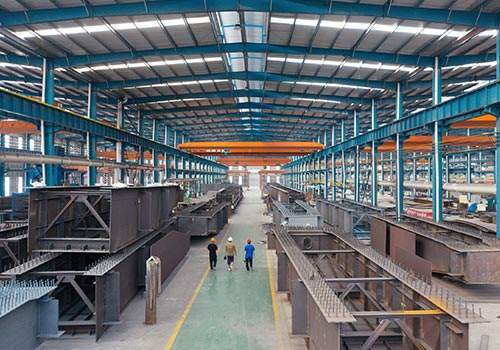
There are numerous reasons why structural steel is the preferred choice in modern construction. Below are the key benefits of using structural steel in your next project.
Strength and Durability
One of the primary reasons structural steel is used in construction is its remarkable strength. Steel can bear significant weight and resist deformation, even under heavy loads. It is highly durable and resistant to most environmental factors such as fire, corrosion, and extreme temperatures.
Versatility in Design
Structural steel allows for greater flexibility in design. Engineers and architects can create complex and innovative structures using steel components that would be difficult or impossible to achieve with other materials. From vast open spaces in commercial buildings to intricate architectural features, steel offers unrivaled design possibilities.
Speed of Construction
One of the most significant advantages of structural steel is the speed of construction. Steel components are pre-fabricated in factories, which means they can be quickly assembled on-site. This reduces the time needed for construction and minimizes labor costs, making it an ideal material for large-scale projects with tight deadlines.
Sustainability and Recyclability
Steel is 100% recyclable, making it an environmentally friendly material for construction. Old steel can be reused in new construction projects, reducing waste and the need for raw materials. This makes steel a sustainable choice for eco-conscious builders and developers.
Applications of Building Structural Steel
Building structural steel is used in a wide range of applications across different types of construction projects.
Commercial Construction
Structural steel is widely used in commercial construction, including office buildings, shopping malls, and high-rise buildings. Its strength allows for the creation of large, open spaces without the need for internal columns, maximizing the usable area of a building.
Residential Construction
While less common in residential projects, structural steel is increasingly being used in luxury homes, modern architecture, and multi-family buildings. It provides greater design freedom and allows for larger, more open floor plans.
Industrial Applications
Steel’s durability and strength make it an ideal material for industrial facilities such as factories, warehouses, and storage units. Steel’s ability to support heavy loads is essential in industrial environments where large machinery and equipment are used.
Infrastructure Projects
Structural steel is also essential in infrastructure projects like bridges, tunnels, and highways. Its resistance to corrosion and extreme loads makes it ideal for these types of long-lasting, high-performance structures.
How to Install Building Structural Steel

The installation of structural steel requires careful planning and execution to ensure the safety and stability of the building.
Preparation and Planning
Before installation, engineers conduct a thorough site survey and create detailed engineering drawings. These plans ensure that the steel components are accurately cut, welded, and assembled to fit the specific requirements of the building.
Steel Erection Process
Once the steel components are manufactured, they are transported to the construction site. Cranes are used to lift and position the steel beams, columns, and frames into place. Steelworkers then secure the components together, ensuring that they align with the design specifications.
Ensuring Safety During Installation
Safety is paramount during the installation of structural steel. Workers must use proper protective equipment, such as helmets, harnesses, and gloves, and follow strict safety protocols. Site supervisors ensure that all steel components are properly secured and that workers adhere to the necessary precautions.
Structural Steel Maintenance
To ensure the longevity and integrity of a building, regular maintenance of structural steel is essential.
Preventing Corrosion and Rust
Structural steel is vulnerable to corrosion if exposed to moisture and air for prolonged periods. Protective coatings such as galvanization or paint can be applied to prevent rusting, especially in outdoor and coastal environments.
Regular Inspections and Maintenance
Routine inspections help identify potential issues such as cracks, rust, or wear. Regular cleaning and touch-ups of protective coatings can significantly extend the lifespan of the steel structure.
Repairing and Replacing Damaged Steel Components
If structural steel becomes damaged due to wear or environmental factors, it may need to be repaired or replaced. This ensures the safety and stability of the building and prevents further damage.
How to Choose the Right Structural Steel for Your Project

Choosing the right type of structural steel depends on various factors, including the nature of the project, environmental conditions, and budget.
Factors to Consider
When selecting structural steel, consider factors like load requirements, exposure to extreme weather or chemicals, and the overall design of the building. Consulting with a structural engineer will help you make the best choice for your project.
Consulting with a Structural Engineer
A structural engineer can provide expert advice on selecting the most suitable type of steel based on your specific building requirements. They will consider the structural integrity, safety standards, and cost-effectiveness of different materials.
Conclusion
Building structural steel offers numerous advantages, including strength, durability, and design flexibility. Its ability to support heavy loads, resist corrosion, and reduce construction time makes it an ideal material for modern construction projects. Whether you are building a commercial skyscraper, a residential home, or an industrial facility, structural steel provides the reliability and performance needed for a stable and long-lasting structure.
FAQ
What is building structural steel?
Building structural steel refers to steel components such as beams, columns, and frames, specifically used in the construction of buildings and other infrastructure. It is designed to support heavy loads and resist external forces like wind, seismic activity, and the weight of the building itself. Structural steel is known for its high strength-to-weight ratio and durability, making it essential for modern construction.
What are the main types of building structural steel?
The main types of building structural steel are:
Carbon Steel: The most common type, offering strength and versatility for a wide range of applications.
Stainless Steel: Known for its resistance to corrosion, making it ideal for buildings exposed to harsh environments.
Alloy Steel: Contains additional elements like chromium and nickel, which improve its strength and hardness, suitable for demanding construction projects.
Why is structural steel used in construction?
Structural steel is used in construction for its exceptional strength, durability, and flexibility. It can support heavy loads, making it ideal for large-scale projects like skyscrapers, bridges, and industrial buildings. Steel also allows for more flexible design options, enabling the construction of expansive, open spaces without the need for numerous internal columns. Its ability to withstand extreme temperatures and environmental conditions further makes it a reliable choice for various applications.
How is structural steel installed in buildings?
The installation of structural steel involves several steps:
Planning: Engineers create detailed blueprints and design specifications for the steel structure.
Fabrication: Steel components are pre-fabricated in a factory, ensuring precise dimensions and strength.
Transport & Erection: The components are delivered to the construction site, where cranes are used to lift and position them into place.
Welding & Bolting: Steel parts are securely joined together using welding or bolting methods, ensuring structural integrity.
What are the benefits of using building structural steel?
The benefits of using building structural steel include:
Strength & Durability: Steel’s ability to withstand heavy loads and resist deformation under stress ensures long-term stability.
Design Flexibility: Steel allows for more creative and efficient designs, enabling larger open spaces and complex architectural features.
Faster Construction: Pre-fabricated steel components reduce on-site construction time, lowering labor costs and accelerating project completion.
Sustainability: Steel is 100% recyclable, making it an environmentally friendly option for construction projects.
Get Expert Help for Your Next Construction Project
Need expert advice on selecting the best structural steel for your project? Contact our team of engineers to help you choose the right material and ensure your construction project’s success.