Welcome to My Blog!
Before we dive into the content, I’d love for you to join me on my social media platforms where I share more insights, engage with the community, and post updates. Here’s how you can connect with me:
Facebook:https://www.facebook.com/profile.php?id=61565337355573
Now, let’s get started on our journey together. I hope you find the content here insightful, engaging, and valuable.
Table of Contents
Introduction

When embarking on a construction or renovation project, selecting the right materials is crucial for ensuring durability, aesthetics, and cost-effectiveness. Corrugated steel panels have emerged as a popular choice for a wide range of applications, from roofing to siding, due to their strength, versatility, and affordability. These panels, characterized by their wavy, rippled design, offer a unique combination of structural integrity and visual appeal. In this comprehensive guide, we’ll explore the key factors to consider when choosing corrugated steel panels, helping you make an informed decision for your next project.
Whether you’re a homeowner looking to upgrade your roof, a contractor working on a commercial building, or a DIY enthusiast tackling a backyard shed, understanding the nuances of corrugated steel panels can save you time and money. This blog will walk you through their benefits, types, installation considerations, and more, ensuring you have all the information needed to select the perfect panels for your needs.
Why Choose Corrugated Steel Panels?
Corrugated steel panels are favored in construction for several reasons. Their distinctive corrugated design enhances their strength, allowing them to withstand harsh weather conditions, including heavy rain, snow, and high winds. This makes them an excellent choice for both residential and commercial projects. Additionally, these panels are lightweight compared to other materials like concrete or brick, which simplifies transportation and installation while reducing structural load.
Another advantage is their cost-effectiveness. Corrugated steel panels are generally more affordable than alternatives like tiles or shingles, making them an attractive option for budget-conscious projects. Their low maintenance requirements further add to their appeal, as they resist rust, corrosion, and fading when properly coated. With a lifespan that can exceed several decades, these panels offer long-term value for a variety of applications.
Types of Corrugated Steel Panels
The market offers a variety of corrugated steel panels, each designed to meet specific needs. Understanding the different types can help you choose the right one for your project. Common types include:
- Standard Corrugated Panels: These feature a classic wavy pattern and are suitable for general-purpose roofing and siding.
- Box Profile Panels: These have a more angular, box-like shape, offering a modern aesthetic and increased strength.
- Curved Corrugated Panels: Designed for structures with curved surfaces, such as arches or domes, these panels provide flexibility in design.
- Insulated Corrugated Panels: These combine corrugated steel with insulation layers, ideal for temperature-sensitive environments like warehouses or cold storage facilities.
Each type comes with its own set of advantages, so consider your project’s requirements, such as load-bearing capacity, aesthetic preferences, and environmental conditions, when making a selection.
Material Variations in Corrugated Steel Panels
Corrugated steel panels are typically made from galvanized steel, stainless steel, or aluminum, each offering distinct properties. Galvanized steel panels, coated with a layer of zinc, are highly resistant to rust and corrosion, making them suitable for outdoor applications in humid or coastal areas. Stainless steel panels offer superior durability and are often used in industrial settings where chemical exposure is a concern. Aluminum panels, being lightweight and corrosion-resistant, are ideal for projects where weight is a critical factor, such as in mobile structures or temporary buildings.
When choosing a material, consider factors like exposure to moisture, temperature fluctuations, and the desired lifespan of the panels. For instance, galvanized steel is a cost-effective option for most climates, while stainless steel may be worth the investment for harsher environments.
Key Factors to Consider When Selecting Corrugated Steel Panels
Choosing the right corrugated steel panels involves evaluating several factors to ensure they meet your project’s needs. Here are some key considerations:
Panel Thickness and Gauge
The thickness of corrugated steel panels, measured in gauges, directly impacts their strength and durability. A lower gauge number indicates a thicker panel, which is more robust but also heavier and more expensive. For residential roofing, a gauge of 26 to 29 is typically sufficient, while industrial applications may require thicker panels, such as 22 or 24 gauge. Assess your project’s structural requirements and consult with a supplier to determine the appropriate gauge.
Coating and Finish Options
The coating on corrugated steel panels plays a significant role in their performance and longevity. Common coatings include polyester, silicone-modified polyester (SMP), and polyvinylidene fluoride (PVDF). Polyester coatings are budget-friendly and provide decent protection, while PVDF offers superior resistance to fading and chalking, making it ideal for areas with intense sunlight. The finish, whether matte, glossy, or textured, also affects the panels’ appearance and ability to reflect heat.
Panel Dimensions and Coverage
Corrugated steel panels come in various widths, lengths, and profiles, which determine their coverage area. Standard widths range from 24 to 39 inches, with lengths customizable to fit your project. Consider the size of the area you need to cover and ensure the panels’ dimensions align with your design to minimize waste and seams.
Environmental and Weather Considerations
The climate in your region will influence the type of corrugated steel panels you choose. In areas prone to heavy rainfall or snow, panels with deeper corrugations and robust coatings are recommended to prevent leaks and corrosion. For coastal regions, where saltwater exposure is a concern, opt for materials like aluminum or stainless steel with high corrosion resistance.
Comparison of Corrugated Steel Panel Specifications
To help you make an informed decision, the following table outlines key specifications for different types of corrugated steel panels. This comparison focuses on general characteristics rather than specific brands, providing a clear overview of options available.
| Panel Type | Material | Gauge Range | Typical Applications | Corrosion Resistance | Weight (per sq. ft.) |
|---|---|---|---|---|---|
| Standard Corrugated | Galvanized Steel | 26–29 | Roofing, Siding | High | 0.8–1.2 lbs |
| Box Profile | Galvanized Steel | 24–26 | Modern Buildings, Warehouses | High | 1.0–1.5 lbs |
| Curved Corrugated | Aluminum | 26–28 | Arched Roofs, Canopies | Excellent | 0.6–0.9 lbs |
| Insulated Corrugated | Stainless Steel | 22–26 | Cold Storage, Industrial | Excellent | 1.5–2.0 lbs |
This table can guide you in selecting panels based on your project’s requirements, such as weight constraints, environmental factors, and intended use.
Installation Tips for Corrugated Steel Panels
Proper installation is critical to maximizing the performance of corrugated steel panels. Here are some tips to ensure a successful installation:
- Prepare the Surface: Ensure the underlying structure is level and free of debris. For roofing, install a suitable underlayment to prevent leaks.
- Use Proper Fasteners: Choose corrosion-resistant screws or nails designed for metal roofing to secure the panels. Ensure fasteners are placed in the panel’s high points to avoid water pooling.
- Account for Thermal Expansion: Steel expands and contracts with temperature changes, so leave small gaps at panel ends to accommodate movement.
- Follow Manufacturer Guidelines: Each panel type may have specific installation requirements, such as overlap patterns or seam sealing. Refer to the manufacturer’s instructions to avoid common mistakes.
If you’re new to installing corrugated steel panels, consider hiring a professional to ensure the job is done correctly and safely.
Common Installation Mistakes to Avoid
Even experienced installers can make errors that compromise the performance of corrugated steel panels. Over-tightening fasteners can deform the panels, leading to leaks, while under-tightening can cause panels to loosen over time. Failing to account for proper ventilation can also trap moisture, accelerating corrosion. Always double-check measurements and alignments to prevent gaps or overlaps that could weaken the structure.
Maintenance and Care for Corrugated Steel Panels
One of the key benefits of corrugated steel panels is their low maintenance requirements. However, regular care can extend their lifespan and maintain their appearance. Inspect panels annually for signs of damage, such as dents, scratches, or loose fasteners. Clean the panels with mild soap and water to remove dirt and debris, avoiding abrasive cleaners that could damage the coating.
In areas with heavy snowfall, remove accumulated snow to prevent excessive weight on the panels. For panels exposed to saltwater or industrial pollutants, rinse them periodically to minimize corrosion. Applying a fresh coat of protective paint every 10–15 years can also enhance durability and aesthetics.
Environmental Benefits of Corrugated Steel Panels
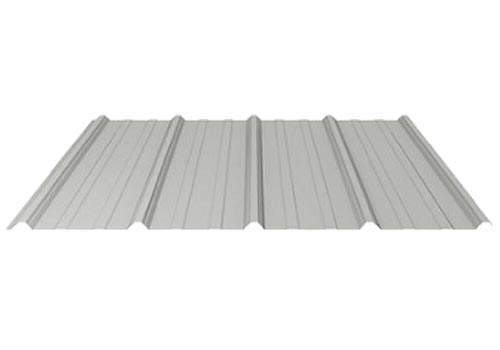
Corrugated steel panels are an eco-friendly choice for construction projects. Steel is highly recyclable, and many panels are made from recycled materials, reducing the demand for virgin resources. Their long lifespan minimizes the need for frequent replacements, further reducing environmental impact. Additionally, the reflective properties of certain coatings can lower energy costs by reducing heat absorption, making them a sustainable option for energy-conscious builders.
Conclusion
Choosing the right corrugated steel panels requires careful consideration of factors like material, gauge, coating, and environmental conditions. By understanding the different types, specifications, and installation requirements, you can select panels that meet your project’s needs while staying within budget. Whether you’re roofing a home, siding a commercial building, or constructing a unique architectural feature, these panels offer a durable, versatile, and eco-friendly solution.
Ready to start your project? Contact us today to explore our range of corrugated steel panels and find the perfect fit for your needs!
FAQ
What are corrugated steel panels used for?
Corrugated steel panels are used for roofing, siding, fencing, and decorative elements in residential, commercial, and industrial projects due to their strength and versatility.
How long do corrugated steel panels last?
With proper maintenance, corrugated steel panels can last 30–50 years or more, depending on the material, coating, and environmental conditions.
Are corrugated steel panels suitable for extreme weather?
Yes, these panels are designed to withstand harsh weather, including heavy rain, snow, and high winds, especially when made from corrosion-resistant materials like galvanized steel or aluminum.