Welcome to My Blog!
Before we dive into the content, I’d love for you to join me on my social media platforms where I share more insights, engage with the community, and post updates. Here’s how you can connect with me:
Facebook:https://www.facebook.com/profile.php?id=61565337355573
Now, let’s get started on our journey together. I hope you find the content here insightful, engaging, and valuable.
Table of Contents
Introduction

When embarking on a construction project, selecting the right materials is critical to ensuring durability, safety, and cost-effectiveness. Structural steel posts have emerged as a popular choice for a wide range of applications, from residential fencing to large-scale industrial frameworks. Their strength, versatility, and longevity make them an ideal option for projects requiring reliable support. This blog explores the key considerations for choosing structural steel posts, offering insights into their benefits, applications, and practical tips to help you make informed decisions. Whether you’re a homeowner, contractor, or engineer, understanding the advantages of these components can elevate your project’s success.
Why Choose Structural Steel Posts for Construction?
Structural steel posts are favored in construction due to their exceptional strength-to-weight ratio. Unlike wood or concrete, steel offers superior load-bearing capacity without adding excessive weight to the structure. This makes them suitable for projects where stability is paramount, such as in high-rise buildings, bridges, or heavy-duty fencing. Additionally, steel posts resist environmental factors like moisture, pests, and fire, ensuring a longer lifespan compared to traditional materials. Their adaptability also allows for customization in terms of size, shape, and finish, catering to diverse project requirements.
Benefits of Using Structural Steel Post
The advantages of structural steel post extend beyond their strength. They are highly durable, requiring minimal maintenance over time. Steel’s resistance to corrosion, especially when treated with protective coatings like galvanization, ensures that posts remain functional even in harsh weather conditions. Furthermore, steel is a sustainable material, as it is fully recyclable, reducing the environmental impact of your project. The uniformity of steel posts also simplifies installation, saving time and labor costs.
Applications of Structural Steel Post in Projects
Structural steel post are versatile and can be used in various construction scenarios. In residential settings, they are commonly employed for fencing, deck supports, and pergolas. In commercial and industrial contexts, they serve as foundational elements for warehouses, parking structures, and agricultural facilities. Their ability to withstand heavy loads makes them ideal for infrastructure projects like bridges and retaining walls. Additionally, steel posts are often used in temporary structures, such as scaffolding, due to their ease of assembly and disassembly.
Key Factors to Consider When Selecting Structural Steel Posts
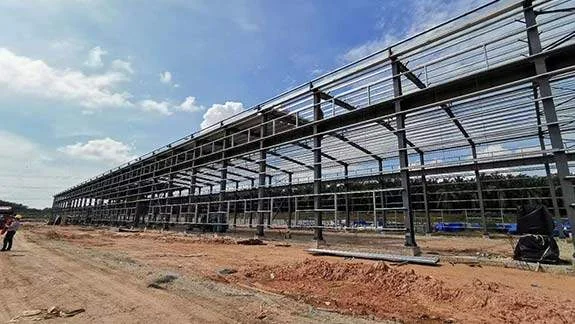
Choosing the right structural steel posts involves evaluating several factors to ensure they meet your project’s needs. These include the load requirements, environmental conditions, and aesthetic preferences. Understanding the specific demands of your project will guide you in selecting posts with the appropriate specifications, such as size, grade, and coating.
Load-Bearing Capacity of Structural Steel Posts
The primary function of structural steel posts is to provide support, so assessing the load they need to bear is essential. Factors like the weight of the structure, dynamic loads (e.g., wind or seismic activity), and the type of soil or foundation will influence your choice. Consulting with a structural engineer can help determine the appropriate steel grade and dimensions to ensure safety and stability.
Environmental Considerations for Steel Posts
The environment in which the posts will be installed plays a significant role in material selection. For projects in coastal areas or regions with high humidity, corrosion-resistant coatings like galvanization or powder coating are critical to prevent rust. In contrast, projects in dry climates may require less intensive protective measures. Understanding the local climate and potential exposure to chemicals or pollutants will help you choose posts that maintain their integrity over time.
Customization Options for Structural Steel Posts
One of the standout features of structural steel post is their customizability. Manufacturers can produce posts in various shapes (e.g., round, square, or rectangular) and sizes to suit specific project needs. Additionally, finishes like painting or powder coating can enhance both aesthetics and durability. For projects requiring a specific look, such as modern architectural designs, customized steel posts can seamlessly blend functionality with visual appeal.
Structural Steel Posts Specifications Table
To help you better understand the options available, the following table outlines common specifications for structural steel posts used in various projects. This table provides a general guide to dimensions, grades, and coatings, but always consult with your supplier for project-specific requirements.
| Post Type | Steel Grade | Coating Options | Typical Applications |
|---|---|---|---|
| Round Steel Post | ASTM A36 | Galvanized, Powder Coated | Fencing, Signage, Light Poles |
| Square Steel Post | ASTM A572 | Galvanized, Painted | Building Frames, Deck Supports |
| Rectangular Steel Post | ASTM A500 | Galvanized, Epoxy Coated | Retaining Walls, Structural Beams |
| H-Section Steel Post | ASTM A992 | Galvanized, Uncoated | Industrial Frameworks, Bridges |
This table serves as a starting point for selecting structural steel posts. Always verify specifications with your supplier to ensure compliance with local building codes and project requirements.
Installation Tips for Structural Steel Posts
Proper installation is crucial to maximizing the performance of structural steel posts. Begin by ensuring the foundation is stable, as uneven or weak ground can compromise the posts’ stability. Use appropriate anchoring methods, such as concrete footings or base plates, depending on the project’s requirements. During installation, ensure posts are aligned vertically and securely fastened to prevent movement. For large-scale projects, working with experienced contractors can ensure precision and adherence to safety standards.
Maintenance of Structural Steel Posts
While structural steel posts are low-maintenance, periodic inspections can extend their lifespan. Check for signs of corrosion, especially in areas exposed to moisture, and reapply protective coatings as needed. Cleaning the posts to remove dirt or debris can also prevent long-term damage. For posts in high-traffic areas, ensure they are not subjected to excessive physical impact, which could cause dents or structural weakening.
Cost Considerations for Structural Steel Posts
The cost of structural steel posts varies depending on factors like size, grade, coating, and quantity. While steel posts may have a higher upfront cost compared to materials like wood, their durability and low maintenance requirements often result in long-term savings. To optimize your budget, compare quotes from multiple suppliers and consider bulk purchasing for large projects. Additionally, factor in installation and transportation costs when planning your budget.
Comparing Structural Steel Posts to Other Materials
When deciding on structural steel posts, it’s helpful to compare them to alternatives like wood, concrete, or aluminum. Wood posts are cost-effective but prone to rot and insect damage, making them less durable. Concrete posts are strong but heavy and difficult to modify. Aluminum posts are lightweight and corrosion-resistant but may lack the strength needed for heavy-duty applications. Steel posts strike a balance between strength, durability, and versatility, making them a preferred choice for many projects.
Safety and Compliance with Structural Steel Posts

Safety is a top priority in any construction project. Structural steel posts must comply with local building codes and standards, such as those set by ASTM or regional authorities. Ensure that the posts you select meet the necessary certifications for your project type. Additionally, proper installation and regular inspections are critical to maintaining a safe structure. Working with certified suppliers and contractors can help ensure compliance and minimize risks.
Conclusion
Choosing structural steel posts for your project offers a combination of strength, durability, and versatility that few materials can match. By considering factors like load-bearing capacity, environmental conditions, and customization options, you can select posts that meet your project’s unique needs. Their long-term cost savings and sustainability make them an excellent investment for both small and large-scale projects. Ready to get started? Contact us today to explore high-quality structural steel posts and elevate your project to the next level.
FAQ
What are structural steel posts used for?
Structural steel posts are used in a variety of applications, including fencing, building frameworks, bridges, and retaining walls. Their versatility makes them suitable for both residential and industrial projects.
How do I choose the right size of structural steel posts?
The size depends on the load requirements, environmental conditions, and project specifications. Consult with a structural engineer to determine the appropriate dimensions and grade for your needs.
Are structural steel posts environmentally friendly?
Yes, steel is fully recyclable, making it a sustainable choice. Additionally, its durability reduces the need for frequent replacements, minimizing environmental impact.