Welcome to My Blog!
Before we dive into the content, I’d love for you to join me on my social media platforms where I share more insights, engage with the community, and post updates. Here’s how you can connect with me:
Facebook:https://www.facebook.com/profile.php?id=61565337355573
Now, let’s get started on our journey together. I hope you find the content here insightful, engaging, and valuable.
Table of Contents
Introduction

Structural steel sections are integral to modern construction, offering unmatched strength, durability, and versatility. These components, shaped into forms like beams, channels, angles, and hollow sections, serve as the backbone of countless structures worldwide. From towering skyscrapers to intricate bridges, their ability to withstand heavy loads while maintaining design flexibility makes them indispensable. This blog explores the diverse applications of structural steel sections, their benefits, and their role in shaping the future of construction and engineering. We’ll dive into their practical uses, innovative trends, and technical advantages, providing a comprehensive guide for professionals and enthusiasts alike.
The Role of Structural Steel Section in Building Design
Structural steel section are prized for their ability to support complex architectural designs. Their high strength-to-weight ratio allows architects and engineers to create expansive, open spaces without compromising structural integrity. For instance, I-beams and H-sections are commonly used in high-rise buildings to form robust frameworks that can handle dynamic loads, such as wind or seismic forces. These sections also enable modular construction, where prefabricated components are assembled on-site, reducing construction time and costs. Their adaptability makes them suitable for both residential and commercial projects, from warehouses to luxury apartments.
Advantages of Using Structural Steel Section
The appeal of structural steel section lies in their unique properties. They offer exceptional tensile strength, making them ideal for load-bearing applications. Additionally, steel is highly durable, resistant to corrosion when properly treated, and recyclable, aligning with sustainable building practices. Their uniformity ensures consistent performance, which is critical for large-scale projects. Furthermore, structural steel section can be customized to meet specific project requirements, allowing for precise engineering and innovative designs. These advantages make them a preferred choice across various industries.
Applications in Commercial Construction
In commercial construction, structural steel sections are the go-to choice for creating durable and aesthetically pleasing structures. Shopping malls, office buildings, and stadiums rely on steel beams and columns to support vast roof spans and open floor plans. For example, wide-flange beams are often used in multi-story buildings to distribute weight evenly, while hollow structural sections (HSS) provide both strength and a sleek appearance for exposed frameworks. The ability to prefabricate these sections off-site ensures faster project timelines, which is critical for commercial developments where time is money.
Structural Steel Section in High-Rise Buildings
High-rise buildings demand materials that can handle extreme forces while maintaining safety and stability. Structural steel section, such as I-beams and box columns, are engineered to support the immense weight of skyscrapers. Their flexibility allows for innovative designs, such as curved or cantilevered structures, that define modern city skylines. Additionally, steel’s fire-resistant coatings enhance safety, ensuring compliance with stringent building codes. This makes structural steel section a cornerstone of urban development, enabling the construction of iconic towers worldwide.
Industrial Applications of Structural Steel Sections

Beyond commercial buildings, structural steel section play a vital role in industrial settings. Factories, warehouses, and power plants utilize steel channels, angles, and hollow sections to create robust frameworks capable of supporting heavy machinery and equipment. For instance, steel trusses are used in large industrial sheds to span wide distances without intermediate supports, maximizing usable space. The material’s resistance to environmental factors, such as extreme temperatures, makes it ideal for harsh industrial environments.
Use in Infrastructure Projects
Infrastructure projects, such as bridges, tunnels, and airports, heavily rely on structural steel sections for their durability and load-bearing capacity. Steel girders and beams are essential in bridge construction, providing the strength needed to support heavy traffic loads over long spans. Similarly, hollow structural sections are used in airport terminals to create expansive, column-free spaces for passenger movement. The precision and reliability of steel sections ensure that infrastructure projects meet safety and performance standards, even under challenging conditions.
Structural Steel Sections in Residential Construction
While often associated with large-scale projects, structural steel section are increasingly used in residential construction. Homebuilders use steel beams and columns to create open-plan layouts, allowing for spacious living areas without obstructive walls. Steel’s versatility also supports modern architectural trends, such as minimalist designs with exposed steel frameworks. Additionally, its resistance to pests and rot makes it a low-maintenance option for homeowners, ensuring long-term structural integrity.
Technical Specifications and Standards
To better understand the applications of structural steel sections, it’s helpful to consider their technical specifications. The following table outlines common types of structural steel sections, their shapes, and typical uses in construction and engineering projects.
| Section Type | Shape | Typical Applications | Key Characteristics |
|---|---|---|---|
| I-Beam | I-shaped | High-rise buildings, bridges | High strength-to-weight ratio, load-bearing |
| H-Section | H-shaped | Columns, heavy frameworks | Excellent for vertical load support |
| Channel (C-Section) | C-shaped | Wall supports, roof framing | Lightweight, easy to connect |
| Angle (L-Section) | L-shaped | Bracing, structural supports | Versatile for small-scale applications |
| Hollow Structural Section (HSS) | Square, rectangular, or circular | Frameworks, aesthetic designs | High torsional resistance, sleek appearance |
This table highlights the diversity of structural steel sections and their tailored applications, showcasing their adaptability across various project types.
Sustainability and Structural Steel Sections
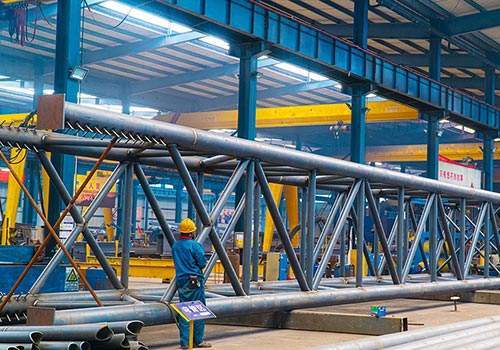
Sustainability is a growing concern in construction, and structural steel sections contribute significantly to eco-friendly building practices. Steel is one of the most recyclable materials, with nearly all steel products being reusable without loss of quality. This reduces the demand for raw materials and minimizes waste. Additionally, the energy efficiency of steel fabrication has improved, with modern production methods lowering carbon footprints. By choosing structural steel sections, builders can align with green building standards, such as LEED certification, while maintaining structural performance.
Innovations in Steel Fabrication
Advancements in steel fabrication have expanded the applications of structural steel sections. Computer-aided design (CAD) and Building Information Modeling (BIM) allow for precise customization, ensuring that steel sections meet exact project specifications. Additionally, innovations like high-strength, low-alloy steel enhance performance while reducing material use. Automated fabrication processes also improve efficiency, enabling faster production and delivery of steel components. These innovations make structural steel sections more accessible and cost-effective for a wide range of projects.
Structural Steel Sections in Seismic Design
In regions prone to earthquakes, structural steel sections are critical for ensuring safety. Their ductility allows them to absorb and dissipate energy during seismic events, reducing the risk of structural failure. Steel moment frames, made from beams and columns, are commonly used in seismic-resistant designs to provide flexibility and strength. Engineers also incorporate bracing systems, often made from steel angles or channels, to enhance stability. This makes structural steel section a preferred choice for buildings in high-risk areas.
Cost-Effectiveness of Structural Steel Sections

While the initial cost of structural steel sections may be higher than some alternatives, their long-term benefits make them cost-effective. Steel’s durability reduces maintenance costs, and its recyclability lowers disposal expenses. Additionally, the speed of steel-based construction minimizes labor costs and project delays. For large-scale projects, the ability to prefabricate steel sections off-site further reduces expenses, making them an economical choice for developers and contractors.
Maintenance and Longevity
Structural steel sections are designed for longevity, with proper maintenance ensuring decades of reliable performance. Protective coatings, such as galvanization or epoxy paints, prevent corrosion, extending the lifespan of steel components. Regular inspections and minor repairs can address issues like surface rust, ensuring that steel structures remain safe and functional. This low-maintenance nature makes structural steel sections ideal for projects where long-term reliability is a priority.
Conclusion
Structural steel sections remain a cornerstone of modern construction, offering unmatched strength, versatility, and sustainability. Their applications span commercial, industrial, residential, and infrastructure projects, making them a vital component of the built environment. As technology advances, innovations in steel fabrication and design will further enhance their utility, ensuring they meet the demands of future construction challenges. For those seeking reliable, high-performance materials, structural steel sections are an excellent choice. Contact us today to explore how structural steel sections can elevate your next project.
FAQ
What are structural steel sections?
Structural steel sections are steel components shaped into forms like beams, channels, angles, or hollow sections, used to support loads in construction and engineering projects.
What are the benefits of using structural steel sections?
They offer high strength, durability, recyclability, and design flexibility, making them ideal for a wide range of applications, from buildings to bridges.
How are structural steel sections used in seismic design?
Their ductility and strength make them ideal for seismic-resistant structures, often used in moment frames and bracing systems to absorb energy.