Welcome to My Blog!
Before we dive into the content, I’d love for you to join me on my social media platforms where I share more insights, engage with the community, and post updates. Here’s how you can connect with me:
Facebook:https://www.facebook.com/profile.php?id=61563865935136
Now, let’s get started on our journey together. I hope you find the content here insightful, engaging, and valuable.
Table of Contents
Introduction
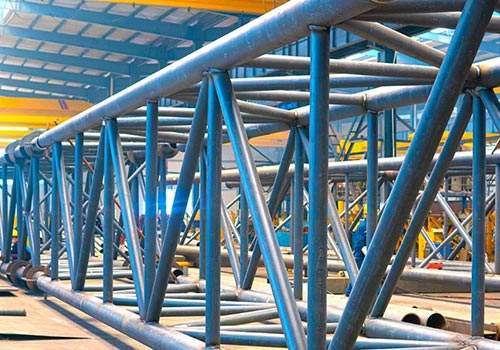
The construction industry has witnessed a significant shift towards innovative building solutions, with the steel frame structure emerging as a frontrunner. At Guanglei, a leading modern enterprise specializing in design, production, and installation, we leverage advanced equipment and robust production capabilities to deliver top-tier steel frame structure projects. This blog explores why steel frame structures consistently outperform traditional concrete builds in various aspects, from cost-efficiency to sustainability. By examining key advantages, we aim to provide a comprehensive understanding of why steel frame structures are the preferred choice for modern construction projects.
The Strength and Durability of Steel Frame Structures
Steel frame structures are renowned for their exceptional strength-to-weight ratio. Unlike concrete, which requires significant mass to achieve comparable strength, steel provides unmatched structural integrity with less material. This characteristic allows for taller, more expansive buildings without compromising safety. At Guanglei, our state-of-the-art production facilities ensure that every steel frame meets rigorous quality standards, offering durability that withstands harsh environmental conditions, seismic activity, and long-term wear.
Resistance to Environmental Factors
One key advantage of a steel frame is its resistance to environmental challenges. Steel is non-combustible, unlike wood, and highly resistant to corrosion when properly treated. This makes it ideal for projects in diverse climates, from coastal regions to areas prone to heavy rainfall. Concrete, while durable, is susceptible to cracking and degradation over time, especially when exposed to moisture or freeze-thaw cycles.
Cost-Effectiveness of Steel Frame Structures

Cost is a critical consideration in any construction project. Steel frame offer significant savings over concrete builds in multiple ways. The prefabrication process, a hallmark of Guanglei’s operations, allows for faster assembly and reduced labor costs. Since steel components are manufactured off-site with precision, there’s minimal waste, further driving down expenses. Additionally, the lightweight nature of steel reduces foundation requirements, lowering overall project costs.
Long-Term Savings
Beyond initial construction, steel frame structures provide long-term financial benefits. Their durability means lower maintenance costs compared to concrete, which may require frequent repairs due to cracking or spalling. Energy-efficient designs, often incorporated into steel frame, also reduce operational costs for building owners, making them a smart investment.
Speed of Construction with Steel Frame
Time is money in construction, and steel frame excel in this area. The prefabricated components used in steel construction allow for rapid assembly, significantly shortening project timelines. Guanglei’s integrated approach—combining design, production, and installation—ensures seamless coordination, enabling projects to be completed faster than those using concrete, which requires lengthy curing periods.
Flexibility and Design Versatility
A steel frame offers unparalleled design flexibility. Its high strength allows for larger open spaces without the need for numerous support columns, a limitation often encountered with concrete. This makes steel ideal for commercial buildings, warehouses, and even residential projects where open floor plans are desired. At Guanglei, our design team works closely with clients to create customized steel frame that meet specific aesthetic and functional requirements.
Adaptability for Future Modifications
Another advantage is the adaptability of steel frame structures. As building needs evolve, steel frameworks can be easily modified or expanded without significant disruption. Concrete structures, by contrast, are far more rigid, making alterations costly and time-consuming. This flexibility ensures that a steel frame remains a future-proof solution.
Sustainability and Environmental Benefits
Sustainability is a growing priority in construction, and steel frame shine in this regard. Steel is highly recyclable, with a significant portion of new steel being made from recycled materials. This reduces the environmental impact compared to concrete production, which is energy-intensive and contributes to high carbon emissions. Guanglei’s commitment to sustainable practices ensures that our steel frame structure projects align with modern environmental standards.
Safety Advantages of Steel Frame
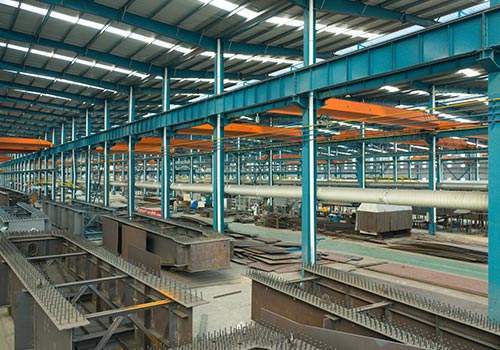
Safety is paramount in construction, and steel frame offer distinct advantages. Their predictable performance under stress, such as during earthquakes, makes them a safer choice than concrete, which can be prone to sudden failure. Additionally, steel’s non-combustible nature enhances fire safety, a critical consideration for high-occupancy buildings.
Comparison Table: Steel Frame Structures vs. Concrete Builds
To illustrate the advantages of steel frame structures, the following table compares key attributes with concrete builds:
| Feature | Steel Frame Structure | Concrete Build |
|---|---|---|
| Construction Speed | Fast due to prefabrication and minimal curing time | Slower due to lengthy curing periods |
| Durability | High resistance to environmental factors | Susceptible to cracking and degradation |
| Cost | Lower due to reduced labor and material waste | Higher due to labor-intensive processes |
| Design Flexibility | High, with large open spaces and easy modifications | Limited by rigid structure and support needs |
| Sustainability | Highly recyclable, lower carbon footprint | Energy-intensive production, less recyclable |
| Safety | Predictable performance, non-combustible | Prone to sudden failure, less fire-resistant |
This table highlights why a steel frame structure is often the superior choice for modern construction needs.
Maintenance and Longevity
Maintaining a steel frame structure is straightforward and cost-effective. With proper coatings, steel resists corrosion and requires minimal upkeep compared to concrete, which may need regular inspections for cracks or water damage. Guanglei’s advanced production processes ensure that every steel frame is built to last, providing clients with a low-maintenance, long-lasting solution.
Scalability for Large Projects

For large-scale projects, such as industrial complexes or skyscrapers, steel frame structures are the go-to choice. Their scalability allows for the construction of expansive structures without compromising stability. Guanglei’s robust production capabilities enable us to handle large steel frame projects with precision and efficiency, ensuring timely delivery for even the most ambitious undertakings.
Conclusion
In summary, the steel frame structure offers unmatched advantages over concrete builds in strength, cost, speed, flexibility, sustainability, and safety. Its versatility and efficiency make it the ideal choice for modern construction projects, from commercial buildings to industrial facilities. At Guanglei, our expertise in designing, producing, and installing steel frame ensures that your project is built to the highest standards. Ready to start your next construction project? Contact us today to explore how a steel frame structure can elevate your build!
FAQ
What is a steel frame structure?
A steel frame structure is a building framework made primarily of steel components, offering strength, flexibility, and durability for various construction projects.
Are steel frame structures more expensive than concrete?
While initial material costs may vary, steel frame structures often result in lower overall costs due to faster construction, reduced labor, and minimal maintenance.
How sustainable are steel frame structures?
Steel is highly recyclable, and its production has a lower environmental impact than concrete, making steel frame structures a sustainable choice.