Welcome to My Blog!
Before we dive into the content, I’d love for you to join me on my social media platforms where I share more insights, engage with the community, and post updates. Here’s how you can connect with me:
Facebook:https://www.facebook.com/profile.php?id=61565337355573
Now, let’s get started on our journey together. I hope you find the content here insightful, engaging, and valuable.
Table of Contents
Introduction
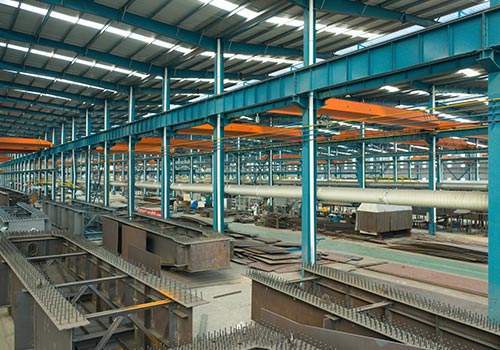
Box girder beams are a cornerstone of modern infrastructure, offering unmatched strength and versatility for large-scale construction projects. These hollow, box-shaped structural elements are widely used in bridges, highways, and elevated structures due to their ability to handle heavy loads while maintaining stability and durability. At Guanglei, a leading enterprise established in 2002, we specialize in the design, production, and installation of high-quality box girder beams, leveraging advanced manufacturing equipment and robust production capabilities to deliver reliable solutions for complex steel structure projects. This blog explores why box girder beams are a smart investment for infrastructure, delving into their benefits, applications, and key considerations for project success.
Why Choose Box Girder Beam for Infrastructure Projects?
Box girder beams stand out for their structural efficiency and adaptability. Their closed, box-like design distributes loads evenly, making them ideal for long-span structures like bridges and viaducts. Unlike traditional I-beams, box girder beam offer superior resistance to torsional forces, which is critical in dynamic environments such as seismic zones or areas with heavy traffic. Guanglei’s expertise in producing these beams ensures they meet stringent industry standards, providing clients with solutions that balance performance and cost-effectiveness. By choosing box girder beam, project managers can achieve both safety and longevity in their infrastructure designs.
Advantages of Box Girder Beam in Construction
The unique design of box girder beam provides several advantages. Their hollow structure reduces material usage without compromising strength, leading to cost savings and lighter overall structures. Additionally, the enclosed shape enhances aerodynamic performance, which is particularly beneficial for bridges exposed to high winds. At Guanglei, our advanced production facilities allow us to customize these beams to precise specifications, ensuring they meet the demands of diverse projects, from urban overpasses to rural bridge constructions.
Applications of Box Girder Beam in Modern Infrastructure
Box girder beam are versatile and find applications across various infrastructure projects. They are commonly used in:
- Bridges: For both highway and railway bridges, box girder beam provide the necessary support for long spans and heavy loads.
- Elevated Roadways: Urban infrastructure relies on these beams to create stable, elevated transportation networks.
- Industrial Structures: Factories and warehouses benefit from their ability to support large, open spaces without excessive columns. Guanglei has successfully delivered box girder beam for numerous high-profile projects since our founding in 2002, showcasing our ability to handle complex engineering challenges with precision.
Key Design Considerations for Box Girder Beams
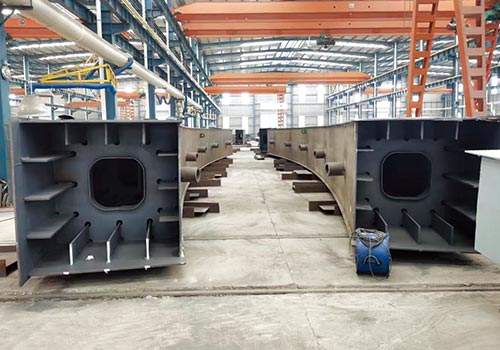
Designing box girder beams requires careful planning to ensure structural integrity and project efficiency. Engineers must account for factors such as load distribution, material selection, and environmental conditions. For instance, steel box girder beams, like those produced by Guanglei, are often preferred for their durability and resistance to corrosion when properly treated. Additionally, the beam’s geometry—such as its depth and width—must be optimized to balance weight and strength. Our team at Guanglei collaborates closely with clients to tailor designs that meet specific project requirements while adhering to global safety standards.
Material Choices for Box Girder Beam
The choice of material significantly impacts the performance of box girder beam. Steel is the most common material due to its high strength-to-weight ratio and recyclability. However, concrete box girder beams are also used in certain applications, particularly for shorter spans or where aesthetic considerations are paramount. Guanglei’s state-of-the-art production equipment enables us to work with both materials, ensuring flexibility and quality in every project.
Fabrication and Installation of Box Girder Beam
The fabrication process for box girder beam involves precision engineering to ensure accuracy and consistency. At Guanglei, our advanced manufacturing facilities allow us to produce beams with tight tolerances, reducing on-site adjustments and speeding up installation. The installation process requires skilled teams to align and secure the beams properly, ensuring they perform as designed. Our integrated approach—combining design, production, and installation—streamlines project timelines and minimizes errors.
Comparing Box Girder Beams to Other Structural Systems
To understand the value of box girder beams, it’s helpful to compare them to other structural systems. The following table outlines key characteristics of box girder beam alongside other common structural elements used in infrastructure projects.
| Structural System | Key Features | Best Applications | Advantages | Limitations |
|---|---|---|---|---|
| Box Girder Beams | Hollow, box-shaped design; high torsional resistance | Long-span bridges, elevated roadways | Lightweight, strong, aerodynamic | Higher initial fabrication cost |
| I-Beams | Open, I-shaped cross-section | Buildings, short-span bridges | Cost-effective, easy to fabricate | Lower torsional resistance |
| Truss Systems | Triangular framework | Bridges, roofs | High strength, material efficiency | Complex assembly, aesthetic limitations |
| Concrete Beams | Solid or precast concrete | Short-span bridges, buildings | Low maintenance, fire-resistant | Heavy, limited span length |
This comparison highlights why box girder beams are often the preferred choice for projects requiring long spans and high durability, as their unique design offers a balance of strength and efficiency.
Cost-Effectiveness of Box Girder Beams
While the initial cost of box girder beams may be higher than simpler structural systems, their long-term benefits make them a cost-effective investment. Their lightweight design reduces foundation costs, and their durability minimizes maintenance expenses over time. Guanglei’s efficient production processes further enhance cost savings by reducing waste and ensuring high-quality output. For infrastructure projects with tight budgets, box girder beam provide a reliable solution that delivers value over the project’s lifecycle.
Sustainability Benefits of Box Girder Beams
Sustainability is a growing concern in infrastructure development, and box girder beam contribute to eco-friendly construction. Their material efficiency reduces resource consumption, and steel beams are fully recyclable at the end of their lifespan. Guanglei incorporates sustainable practices in our manufacturing processes, such as using energy-efficient equipment and sourcing materials responsibly, to support environmentally conscious projects.
Challenges and Solutions in Using Box Girder Beam
Despite their advantages, box girder beams come with challenges. Their complex fabrication process requires skilled labor and advanced equipment, which can increase upfront costs. Additionally, improper installation can lead to structural issues. Guanglei addresses these challenges through rigorous quality control and comprehensive project management. Our experienced team ensures that every beam is manufactured and installed to exact specifications, mitigating risks and ensuring project success.
Maintenance Tips for Box Girder Beam Structures
To maximize the lifespan of box girder beam, regular maintenance is essential. Steel beams should be inspected for corrosion and treated with protective coatings as needed. Concrete beams require checks for cracks or water infiltration. Guanglei provides clients with detailed maintenance guidelines to ensure their structures remain in top condition, extending the lifespan of their investment.
Case Studies: Successful Projects Using Box Girder Beams

Box girder beams have been integral to numerous successful infrastructure projects worldwide. For example, many modern cable-stayed bridges rely on these beams for their ability to support long spans while maintaining aesthetic appeal. Guanglei has contributed to similar projects, delivering customized box girder beam for bridges and elevated roadways across diverse regions. Our work on these projects demonstrates our capability to handle large-scale, complex engineering challenges with precision and reliability.
Conclusion
Box girder beams represent a smart, sustainable, and efficient choice for modern infrastructure projects. Their strength, versatility, and cost-effectiveness make them ideal for bridges, elevated roadways, and industrial structures. By choosing box girder beams, project managers can ensure safety, durability, and long-term value. At Guanglei, we are committed to delivering high-quality beams tailored to your project’s needs. Contact us today to explore how our expertise can elevate your next infrastructure project.
FAQ
What are box girder beams?
Box girder beams are hollow, box-shaped structural elements used in construction to support heavy loads over long spans, commonly found in bridges and elevated structures.
Why are box girder beams preferred for bridges?
Their design offers high torsional resistance and material efficiency, making them ideal for long-span bridges that require stability and durability.
How does Guanglei ensure the quality of its box girder beams?
Since our founding in 2002, Guanglei has utilized advanced production equipment and rigorous quality control to produce beams that meet global standards.
Are box girder beams cost-effective?
While they may have higher initial costs, their durability and reduced maintenance needs make them a cost-effective choice over time.