Welcome to My Blog!
Before we dive into the content, I’d love for you to join me on my social media platforms where I share more insights, engage with the community, and post updates. Here’s how you can connect with me:
Facebook:https://www.facebook.com/profile.php?id=61565337355573
Now, let’s get started on our journey together. I hope you find the content here insightful, engaging, and valuable.
Table of Contents
Introduction
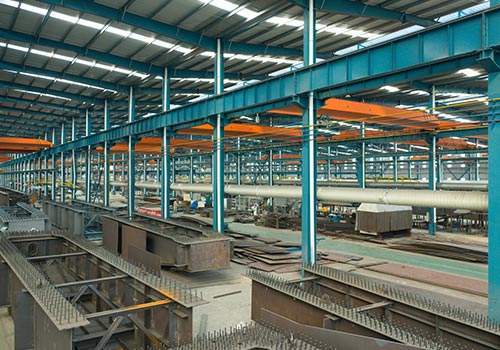
Box girder steel structures have revolutionized bridge construction due to their exceptional strength, durability, and versatility. This blog post delves into the intricacies of box girder steel, exploring its construction techniques, diverse bridge applications, and the numerous advantages it offers in modern infrastructure projects. Box girder steel is a critical component for large scale bridge projects, and it is important to have a deep understanding of the materials properties, and construction requirements. Understanding the material properties of box girder steel ensures the structural integrity and longevity of bridges. Moreover, recognizing the varying construction demands allows for optimized project planning and execution.
Understanding Box Girder Steel
Box girder steel refers to a structural element shaped like a hollow box, typically fabricated from steel plates welded together. This design provides high torsional rigidity and bending strength, making it ideal for bridges and other large-span structures. The use of box girder has increased in recent years due to design improvements, and better steel manufacturing processes. These advancements have led to more efficient and cost-effective bridge construction, while also enhancing the safety and reliability of the infrastructure. The box-shaped design allows for optimal distribution of loads, contributing to the structural efficiency of the bridge.
Construction Techniques for Box Girder Steel Bridges
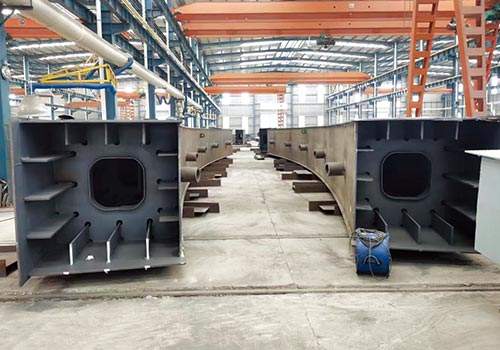
Several construction methods are employed for box girder steel bridges, each tailored to specific project requirements:
- Segmental Construction: This method involves prefabricating bridge segments off-site and then transporting them to the construction site for assembly. This process allows for efficient construction over challenging terrain or waterways. Segmental construction minimizes on-site disruptions and accelerates project timelines, making it a preferred option for complex bridge designs.
- Incremental Launching: In this technique, the bridge deck is constructed segment by segment behind an abutment and then launched forward across the spans. This method minimizes disruption to traffic and is suitable for long bridges. Incremental launching reduces the need for extensive scaffolding, which can be particularly advantageous in environmentally sensitive areas.
- Balanced Cantilever Construction: This method involves constructing the bridge deck in balanced segments extending from piers, creating a self-supporting structure. This technique is often used for bridges with long spans and challenging site conditions. Balanced cantilever construction allows for precise control over the structural balance, ensuring stability during each construction phase.
Advantages of Box Girder in Bridge Construction
The use of box girder steel offers numerous advantages:
- High Strength-to-Weight Ratio: Steel’s inherent strength allows for lighter structures, reducing the overall load on foundations. This translates to lower construction costs and increased design flexibility, especially in areas with weak soil conditions.
- Long Span Capability: Box girders can efficiently span long distances, making them suitable for bridges crossing wide rivers or valleys. This capability minimizes the need for intermediate supports, which can be costly and environmentally disruptive.
- Torsional Rigidity: The box-shaped design provides excellent resistance to twisting forces, enhancing the bridge’s stability. This is particularly important in areas prone to high winds or seismic activity, ensuring the structural integrity of the bridge.
- Durability and Longevity: Steel structures, when properly maintained, can withstand harsh environmental conditions and have a long service life. Modern steel alloys and protective coatings further extend the lifespan of box girder bridges, reducing long-term maintenance costs.
- Prefabrication and Efficient Construction: Off-site fabrication and modular construction techniques expedite the building process. This reduces on-site labor and construction time, minimizing traffic disruptions and project costs.
Diverse Applications of Box Girder Steel Bridges
Box girder steel bridges find applications in various infrastructure projects:
- Highway Bridges: They are commonly used for long-span highway bridges, ensuring smooth and safe traffic flow. These bridges are designed to handle heavy vehicular loads and high traffic volumes, contributing to efficient transportation networks.
- Railway Bridges: Box girders are essential for railway bridges, supporting heavy loads and ensuring structural integrity. The high load-bearing capacity and durability of box girder make it ideal for railway bridges that must withstand the dynamic forces of train traffic.
- Pedestrian Bridges: Their aesthetic appeal and structural efficiency make them suitable for pedestrian bridges in urban areas. These bridges often feature sleek designs and provide safe and convenient passage for pedestrians and cyclists.
- Viaducts: In urban areas, viaducts constructed with box girder steel help elevate roadways, reducing traffic congestion. Viaducts minimize land use and improve traffic flow in densely populated areas, contributing to urban development.
Box Girder Steel: Material Properties
The material properties of box girder steel are critical to the bridge’s performance. The steel used must meet stringent requirements for strength, ductility, and weldability. Below is a table illustrating typical material properties:
| Property | Value | Unit |
|---|---|---|
| Yield Strength | 345-450 | MPa |
| Tensile Strength | 485-620 | MPa |
| Elongation | 18-22 | % |
| Modulus of Elasticity | 200,000 | MPa |
| Density | 7850 | kg/m³ |
These properties ensure the steel can withstand the stresses and strains experienced during the bridge’s service life, contributing to its overall safety and durability. Selecting the correct steel grade with appropriate material properties will directly impact the performance of the bridge.
Box Girder Steel: Design Considerations
Designing box girder steel bridges requires careful consideration of several factors:
- Load Analysis: Accurate assessment of dead loads, live loads, and environmental loads is crucial for structural design. This analysis ensures the bridge can safely support its own weight, traffic loads, and external forces like wind and seismic activity.
- Structural Analysis: Finite element analysis and other advanced techniques are used to simulate the bridge’s behavior under various loading conditions. These simulations help engineers optimize the bridge’s design and ensure its structural integrity under extreme conditions.
- Fatigue Analysis: Box girder steel bridges are subjected to cyclic loading, requiring careful fatigue analysis to ensure long-term durability. Fatigue analysis helps prevent premature failure of the steel due to repeated stress cycles, ensuring the bridge’s longevity.
- Corrosion Protection: Implementing effective corrosion protection measures, such as coatings and cathodic protection, is essential for extending the bridge’s service life. Protecting the steel from corrosion is crucial for maintaining its structural integrity and preventing costly repairs.
Box Girder Steel: Maintenance and Inspection
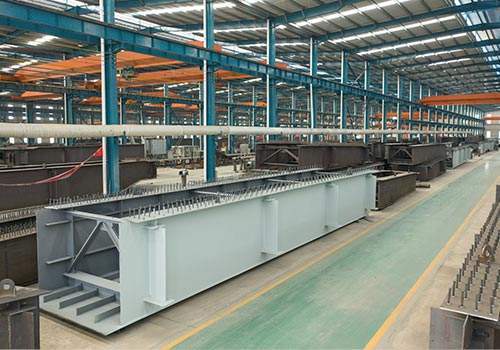
Regular maintenance and inspection are vital for ensuring the long-term safety and performance of box girder steel bridges. This includes:
- Visual Inspections: Routine visual inspections to detect signs of corrosion, cracking, or damage. Early detection of defects allows for timely repairs, preventing more significant structural issues.
- Non-Destructive Testing: Techniques such as ultrasonic testing and radiographic testing are used to assess the integrity of welds and steel plates. These tests provide detailed information about the internal condition of the steel, ensuring the structural soundness of the bridge.
- Corrosion Monitoring: Implementing corrosion monitoring systems to track the rate of corrosion and identify areas requiring maintenance. Continuous monitoring allows for proactive maintenance, extending the bridge’s lifespan.
- Regular Cleaning and Painting: Regular cleaning and painting to prevent the spread of corrosion. Maintaining a protective coating on the steel surface prevents environmental damage, ensuring the bridge’s long-term durability.
Conclusion
Box girder steel structures have proven to be indispensable in modern bridge construction, offering unparalleled strength, durability, and efficiency. From highway and railway bridges to pedestrian walkways, box girders provide robust and reliable solutions for diverse infrastructure needs. The continued innovations in materials and construction techniques will further enhance the performance and sustainability of box girder steel bridges. If you are interested in high quality box girder steel, do not hesitate to contact us. We are dedicated to providing top tier box girder steel solutions for your next bridge project.
FAQ
What are the primary advantages of using box girder steel in bridge construction?
Box girder steel offers high strength-to-weight ratio, long span capability, torsional rigidity, durability, and efficient construction. These advantages make it a preferred material for large-scale bridge projects.
What are the common construction techniques for box girder steel bridges?
Common techniques include segmental construction, incremental launching, and balanced cantilever construction. Each method is tailored to specific project requirements and site conditions.
How is corrosion protection ensured for box girder steel bridges?
Corrosion protection is achieved through coatings, cathodic protection, and regular maintenance. These measures help extend the bridge’s lifespan and maintain its structural integrity.