Welcome to My Blog!
Before we dive into the content, I’d love for you to join me on my social media platforms where I share more insights, engage with the community, and post updates. Here’s how you can connect with me:
Facebook:https://www.facebook.com/profile.php?id=61565337355573
Now, let’s get started on our journey together. I hope you find the content here insightful, engaging, and valuable.
Table of Contents
Introduction
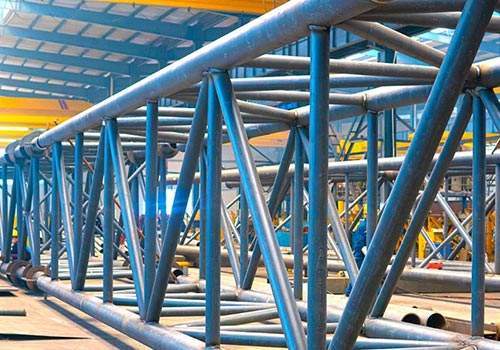
Building beam trusses are essential components in modern construction, offering unparalleled strength and versatility. These structural elements, made of interconnected members forming triangular units, are designed to efficiently distribute loads, making them ideal for a wide range of applications. This blog explores the various aspects of building beam trusses, focusing on their reliability, durability, and practical applications. Understanding the principles behind building beam trusses is crucial for architects, engineers, and construction professionals aiming to create robust and long-lasting structures. The effectiveness of building beam trusses lies in their ability to handle heavy loads with minimal material, reducing costs and environmental impact.
Understanding the Mechanics of Beam Trusses
The fundamental principle behind beam trusses is the use of triangles, which provide inherent stability. Each member of a building beam truss experiences either tension or compression, allowing for efficient load distribution. This design minimizes bending moments, which are a common cause of structural failure in traditional beams. The geometry of beam trusses plays a critical role in their performance. Proper design and analysis are essential to ensure the structure’s integrity and safety. beam trusses are often made of steel, wood, or aluminum, each offering unique advantages depending on the application.
Materials Used in Building Beam Trusses
The choice of materials for beam trusses significantly impacts their performance and longevity. Steel building beam trusses are known for their high strength and durability, making them suitable for large-scale projects. Wood beam trusses offer a more sustainable option, providing excellent strength-to-weight ratios. Aluminum beam trusses are lightweight and corrosion-resistant, ideal for applications in harsh environments. The selection of materials for beam trusses should consider factors such as load requirements, environmental conditions, and cost. Each material contributes differently to the overall reliability and durability of beam trusses.
Design Considerations for Beam Trusses
Designing effective beam trusses requires careful consideration of several factors. Load calculations, span requirements, and material properties are crucial for ensuring structural integrity. Proper design can optimize the performance of beam trusses, minimizing material usage and maximizing load-bearing capacity. Software tools and engineering expertise are essential for accurate design and analysis of building beam trusses. The design process for beam trusses should also account for potential environmental factors, such as wind loads and seismic activity.
Fabrication and Installation of Building Beam Trusses
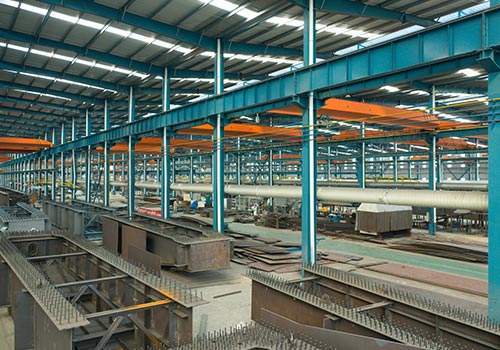
The fabrication and installation of beam trusses require precision and expertise. Proper fabrication ensures that each component meets the design specifications, while correct installation guarantees the structure’s stability. Building beam trusses are often prefabricated off-site, allowing for efficient on-site assembly. The installation process should adhere to strict safety standards to prevent accidents and ensure the structure’s long-term performance. Careful planning and coordination are essential for successful fabrication and installation of beam trusses.
Applications of Beam Trusses in Construction
Building beam trusses are used in a variety of construction projects, including bridges, roofs, and industrial buildings. Their versatility and strength make them ideal for applications requiring long spans and heavy loads. Beam trusses are also used in residential construction for creating open floor plans and vaulted ceilings. The adaptability of beam trusses allows for innovative architectural designs and efficient use of space. The use of beam trusses can significantly enhance the structural integrity and aesthetic appeal of buildings.
Advantages of Using Beam Trusses
Using building beam trusses offers numerous advantages, including high strength-to-weight ratios, efficient load distribution, and cost-effectiveness. The ability to span long distances without intermediate supports makes beam trusses ideal for large structures. Building beam trusses also provide flexibility in design, allowing for customization to meet specific project requirements. The durability and reliability of beam trusses contribute to the long-term stability and safety of buildings.
Beam Trusses: Performance and Safety Standards
Ensuring the performance and safety of beam trusses requires adherence to stringent standards and regulations. Building codes and industry best practices provide guidelines for design, fabrication, and installation. Regular inspections and maintenance are essential for maintaining the integrity of beam trusses. Safety is paramount in all stages of working with beam trusses, from design to demolition. Proper engineering and quality control are essential.
Building Beam Trusses: Material Properties Comparison
| Material | Strength-to-Weight Ratio | Durability | Corrosion Resistance | Cost | Applications |
|---|---|---|---|---|---|
| Steel | High | High | Low (requires coating) | Moderate to High | Bridges, industrial buildings, large roofs |
| Wood | Moderate | Moderate | Moderate (requires treatment) | Moderate | Residential buildings, small to medium spans |
| Aluminum | Moderate to High | High | High | High | Harsh environments, lightweight structures |
Building Beam Trusses: Maintenance and Longevity
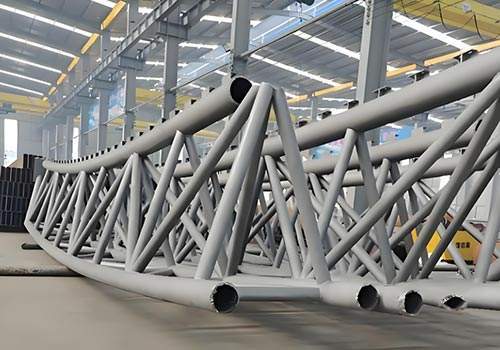
Proper maintenance is essential for ensuring the longevity of beam trusses. Regular inspections, cleaning, and repairs can prevent deterioration and extend the lifespan of the structure. Protecting building beam trusses from environmental factors, such as moisture and corrosion, is crucial. Routine maintenance ensures that beam trusses continue to perform optimally over time. The durability of beam trusses is directly related to the quality of maintenance.
Conclusion
Building beam trusses are indispensable in modern construction, providing reliable and durable structures for various applications. Their efficient design and robust materials ensure long-term stability and safety. The ongoing innovations in materials and technology further enhance their performance and sustainability. Building beam trusses offer a cost-effective and versatile solution for creating strong and enduring structures. For the best in building beam trusses, contact us today and discover how we can help you build your future.
FAQ
Q: What are the primary advantages of using building beam trusses?
A: Building beam trusses offer high strength-to-weight ratios, efficient load distribution, and cost-effectiveness. They are ideal for applications requiring long spans and heavy loads.
Q: What materials are commonly used in beam trusses?
A: Steel, wood, and aluminum are commonly used materials, each offering unique advantages depending on the application.
Q: How do you ensure the safety of building beam trusses?
A: Safety is ensured through adherence to stringent standards, regular inspections, and proper maintenance.