Welcome to My Blog!
Before we dive into the content, I’d love for you to join me on my social media platforms where I share more insights, engage with the community, and post updates. Here’s how you can connect with me:
Facebook:https://www.facebook.com/profile.php?id=61565337355573
Now, let’s get started on our journey together. I hope you find the content here insightful, engaging, and valuable.
Table of Contents
Introduction
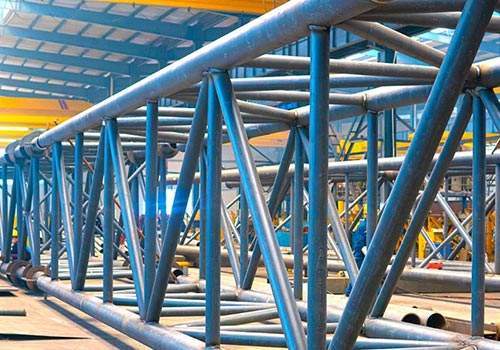
Steel building components play a crucial role in enhancing the overall strength and durability of structures. As the backbone of modern construction, these components are integral to both residential and commercial buildings. The strength, versatility, and cost-effectiveness of steel make it a popular choice among architects and engineers. In this blog, we will explore how steel building components contribute to a structure’s strength, the various components involved, and how they impact the longevity and resilience of buildings.
Why Steel Building Components Are Essential for Strength
Steel is renowned for its high tensile strength, which is one of the main reasons it is used extensively in building components. The material is not only durable but also resistant to harsh weather conditions, corrosion, and other environmental factors. Steel building components such as beams, columns, and frames provide the necessary structural support that ensures the integrity of the building. These components work together to evenly distribute the load, preventing structural failure over time.
Steel’s high strength-to-weight ratio allows for the construction of tall buildings with fewer materials and less risk of failure. Whether it’s a low-rise residential home or a high-rise skyscraper, steel’s ability to support immense weight makes it an indispensable material for construction projects of all sizes.
Types of Steel Building Components
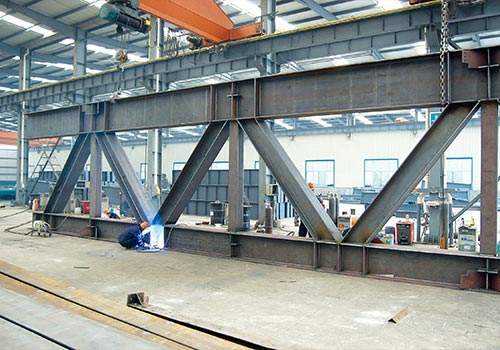
Steel building components come in various forms, each serving a specific purpose in enhancing the structural strength of a building. The main components include:
- Steel Columns: Steel columns are vertical structural elements that bear the weight of the structure above. They are typically placed at regular intervals and are designed to carry both axial and lateral loads.
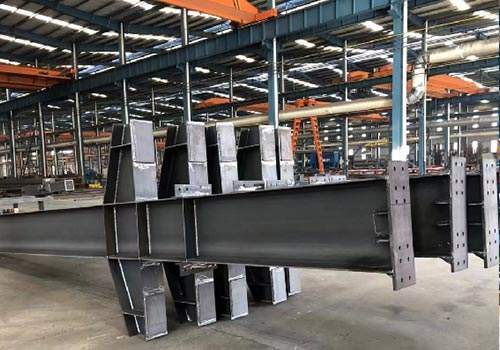
- Steel Beams: Steel beams are horizontal components that transfer loads from the roof or floors to the columns. These beams help in distributing the weight evenly and preventing sagging or deformation.
- Steel Frames: Steel frames form the skeleton of a building and are responsible for providing support to the entire structure. They consist of interconnected steel columns, beams, and braces that work together to resist external forces such as wind and seismic activity.
- Steel Trusses: Steel trusses are triangular-shaped frameworks used in the roof structure to distribute loads more efficiently. Trusses are often used in large-span buildings like warehouses and sports halls.
How Steel Building Components Contribute to Stability
The strength of steel components allows buildings to withstand extreme forces such as heavy winds, earthquakes, and other natural disasters. Steel’s flexibility ensures that the structure can absorb and dissipate energy, reducing the risk of damage during a seismic event. The uniformity of steel building components also ensures that the building’s weight is evenly distributed, preventing potential weak points that may cause structural failure.
Additionally, the use of high-quality steel materials in the components guarantees that the structure remains stable over time, without the risk of warping or sagging, which can occur in other building materials like wood.
Advantages of Steel Building Components Over Other Materials
- Durability: Steel building components are known for their exceptional durability. Unlike wood, which is prone to rotting and pests, steel is resistant to environmental factors like moisture, extreme temperatures, and fire.
- Flexibility: Steel components can be easily molded into various shapes and sizes, allowing for flexibility in design. Whether the project is a traditional building or an innovative architectural design, steel provides the necessary flexibility for customization.
- Sustainability: Steel is highly recyclable, making it an eco-friendly option for construction projects. Using recycled steel components helps reduce the carbon footprint of the construction industry.
Table: Steel Building Components and Their Functions
| Component | Primary Function | Strength Contribution | Common Applications |
|---|---|---|---|
| Steel Columns | Vertical support elements, carry loads from above | High load-bearing capacity, stability | Skyscrapers, multi-story buildings, bridges |
| Steel Beams | Horizontal support beams, distribute weight across the structure | Prevents sagging, enhances structural integrity | Commercial buildings, warehouses |
| Steel Frames | Framework that holds all components together and resists external forces | Provides overall strength and stability | High-rise buildings, large industrial projects |
| Steel Trusses | Used for roof support and large span structures | Distributes loads efficiently, adds stability | Warehouses, sports halls, large storage areas |
How Steel Building Components Improve Building Lifespan
The lifespan of a building is largely dependent on the materials used in its construction. Steel components not only enhance the structural strength of the building but also contribute to its longevity. Steel’s resistance to rust, corrosion, and pest infestation ensures that buildings last for decades with minimal maintenance. Furthermore, steel components are less prone to degradation, which means that the integrity of the building is preserved for a longer time.
Cost-Effectiveness of Steel Building Components

Although the initial cost of steel building components can be higher than some other materials, the long-term benefits far outweigh the costs. Steel’s durability reduces the need for frequent repairs or replacements, making it a cost-effective option for building owners. Additionally, the ease of fabrication and assembly of steel components can reduce labor costs, making the overall construction process more affordable.
Conclusion
In conclusion, steel building components are vital in enhancing the structural strength and durability of any building. The unique properties of steel make it an essential material for ensuring the stability, safety, and longevity of modern structures. Whether you’re building a residential home, a commercial property, or an industrial facility, investing in high-quality steel building components will provide you with a solid foundation that lasts for generations.
If you’re planning your next construction project and want to ensure the strength and longevity of your building, contact us today to learn more about our steel building components and how they can enhance your structure’s performance.
FAQ
What is the main advantage of using steel building components?
Steel offers superior strength, durability, and resistance to environmental factors, making it ideal for constructing strong and long-lasting buildings.
Are steel building components customizable?
Yes, steel can be easily molded into various shapes and sizes, allowing for customization based on design requirements.
How long do steel buildings last?
Steel buildings have an impressive lifespan, often lasting 50 years or more with minimal maintenance.