Welcome to My Blog!
Before we dive into the content, I’d love for you to join me on my social media platforms where I share more insights, engage with the community, and post updates. Here’s how you can connect with me:
Facebook:https://www.facebook.com/profile.php?id=61565337355573
Now, let’s get started on our journey together. I hope you find the content here insightful, engaging, and valuable.
Table of Contents
Introduction
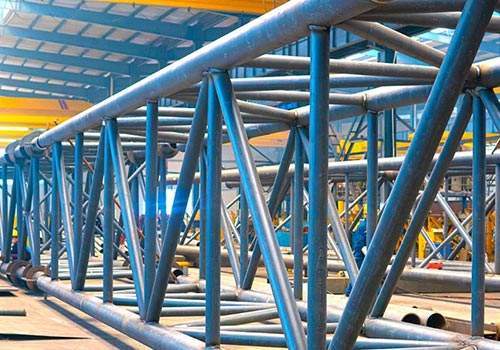
When it comes to structural support in construction, metal truss beams are a reliable and cost-effective choice. These beams provide superior strength, durability, and design flexibility, making them an ideal option for a variety of building projects. Whether you’re constructing a warehouse, commercial building, or residential property, investing in metal truss beams ensures long-term benefits. Additionally, their ability to support heavy loads without adding unnecessary weight to the structure makes them an increasingly popular choice among architects and engineers. In this article, we will explore the advantages, types, applications, and factors to consider when selecting metal truss beams, helping you make an informed decision for your construction needs.
What Are Metal Truss Beams?
Metal truss beams are structural components made from steel or aluminum, designed to support heavy loads while maintaining a lightweight and efficient structure. They consist of a series of triangular units that evenly distribute weight, making them a preferred choice in modern construction. This unique design allows metal truss beam to span large distances without excessive support columns, maximizing usable space in buildings. These beams are widely used in roofing, bridges, industrial structures, and large open-span buildings, where strength and reliability are crucial. Whether used in skyscrapers or residential homes, metal truss beam offer stability and performance unmatched by traditional materials.
Advantages of Using Metal Truss Beams
Strength and Durability
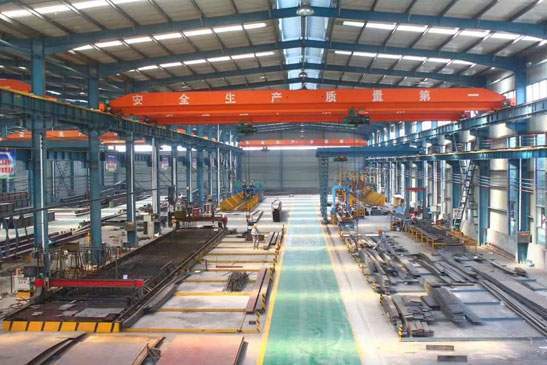
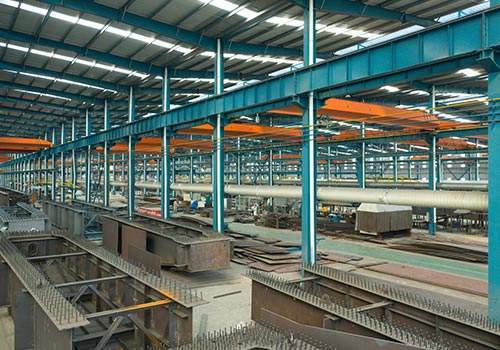
One of the key benefits of metal truss beam is their exceptional strength. Unlike wood or concrete, metal can withstand high levels of stress and heavy loads without compromising structural integrity. The triangular truss design enhances load distribution, preventing weak points and structural failures. Additionally, metal is resistant to warping, cracking, and shrinking, ensuring longevity in various environments. Even in harsh weather conditions, such as extreme heat, cold, or humidity, metal truss beam maintain their performance without significant deterioration.
Cost-Effectiveness
While the initial investment in metal truss beams may be higher than some alternatives, their long lifespan and minimal maintenance requirements make them a cost-effective solution in the long run. The reduced need for repairs and replacements results in significant savings over time. Furthermore, their lightweight nature reduces transportation and labor costs, making installation more efficient and less expensive. By choosing metal truss beam, builders and developers can optimize their budget while ensuring long-term structural stability.
Lightweight Design
Compared to traditional construction materials, metal truss beam offer a high strength-to-weight ratio. This means they provide robust structural support without adding excessive weight to the building. Their lightweight nature simplifies transportation and installation, reducing overall labor costs. Additionally, because of their reduced weight, metal truss beams exert less stress on the foundation, making them an excellent choice for structures that require careful weight management. This characteristic is particularly valuable in high-rise construction, where weight limitations are a key consideration.
Fire and Pest Resistance
Metal does not burn or attract pests like termites, making metal truss beam a safer and more resilient choice for buildings. Their fire-resistant properties help improve building safety, especially in commercial and industrial settings. Unlike wood, which is highly flammable, metal retains its structural integrity even when exposed to extreme heat, reducing the risk of fire-related collapses. Additionally, metal truss beam are immune to insect damage, eliminating concerns about termites or other pests weakening the structure over time.
Environmental Benefits
Sustainability is a major concern in modern construction. Metal truss beams are often made from recycled materials and can be recycled at the end of their lifespan, reducing environmental impact. Additionally, their durability minimizes waste from frequent replacements. The energy efficiency of metal structures also contributes to greener buildings, as they often require less insulation and maintenance over time. By choosing metal truss beam, builders can align their projects with environmentally responsible practices without compromising on strength and efficiency.
Common Applications of Metal Truss Beams
Industrial and Commercial Buildings
Warehouses, factories, and commercial buildings frequently use metal truss beams due to their ability to support large spans and heavy loads. They provide open space without the need for excessive columns, enhancing functionality. This feature is particularly beneficial for manufacturing facilities, storage centers, and large retail stores where an open layout is crucial for operations. Additionally, metal truss beam ensure long-term durability, minimizing the risk of costly structural failures in these high-demand environments.
Residential Construction
Modern homes benefit from metal truss beams in roofing and flooring systems. Their strength and design flexibility allow for creative architectural solutions, such as open-concept living spaces and vaulted ceilings. Homeowners looking for long-lasting materials appreciate that metal truss beam require minimal upkeep and offer superior resistance to natural elements. Additionally, their sleek, industrial aesthetic is becoming increasingly popular in contemporary home designs, adding a modern touch to residential structures.
Bridges and Infrastructure
Bridges and other infrastructure projects require strong, durable materials that can withstand various weather conditions. Metal truss beams provide the necessary support while reducing maintenance costs. Their ability to resist corrosion, heavy traffic loads, and environmental stressors makes them an essential component of long-lasting public infrastructure. Many highway overpasses, pedestrian bridges, and railway structures rely on metal truss beam for their unparalleled strength and resilience.
Key Factors to Consider When Choosing Metal Truss Beams
| Feature | Description |
|---|---|
| Material | Steel (strong, durable) or aluminum (lightweight, corrosion-resistant) |
| Load Capacity | Varies based on size and design; essential for structural integrity |
| Coating Options | Galvanized, powder-coated, or painted for corrosion resistance |
| Installation | Prefabricated options simplify construction and reduce labor costs |
| Fire Resistance | Non-combustible, improving building safety |
| Environmental Impact | Often made from recycled materials and fully recyclable |
How to Properly Maintain Metal Truss Beams
Regular Inspections
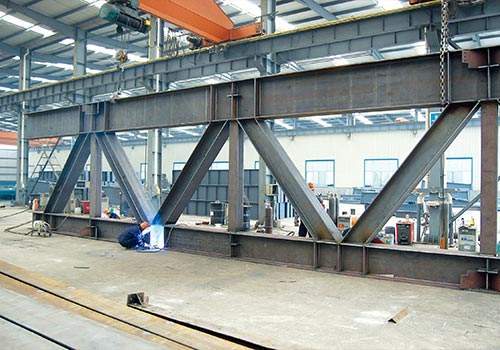
Checking for signs of rust, corrosion, or structural damage helps maintain the integrity of metal truss beams. Early detection of issues prevents costly repairs. Regular inspections also ensure that the beams are meeting the required safety standards, reducing the risk of structural failure in the long run.
Cleaning and Coating Maintenance
Periodic cleaning removes debris and prevents buildup that could lead to corrosion. Reapplying protective coatings as needed extends the lifespan of the beams. If the beams are installed in high-humidity areas, additional protective measures, such as weatherproof coatings, can further enhance their durability.
Conclusion
Investing in metal truss beams is a smart choice for anyone looking for durable, cost-effective, and versatile structural support. Their strength, fire resistance, and environmental benefits make them an ideal solution for various applications, from commercial buildings to residential homes and infrastructure projects. If you’re planning your next construction project, consider metal truss beam as a reliable and long-term investment. Don’t wait—explore the best metal truss beams for your building today!
FAQ
Are Metal Truss Beams Better Than Wooden Beams?
Yes, metal truss beams offer superior strength, durability, and fire resistance compared to wooden beams. They are also more resistant to pests and environmental damage.
How Long Do Metal Truss Beam Last?
With proper maintenance, metal truss beam can last for several decades. Their resistance to corrosion and structural integrity make them a long-lasting investment.
Can Metal Truss Beams Be Used in Residential Construction?
Absolutely! Many modern homes incorporate metal truss beams in roofing, flooring, and open-concept designs due to their strength and aesthetic appeal.