Welcome to My Blog!
Before we dive into the content, I’d love for you to join me on my social media platforms where I share more insights, engage with the community, and post updates. Here’s how you can connect with me:
Facebook:https://www.facebook.com/profile.php?id=61565337355573
Now, let’s get started on our journey together. I hope you find the content here insightful, engaging, and valuable.
Table of Contents
Introduction
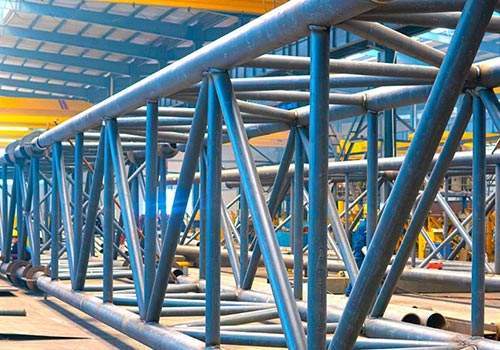
In the realm of residential construction, building with truss beams is a popular and highly efficient choice. Truss beams provide structural support, versatility, and cost-effectiveness for homeowners, builders, and contractors alike. In this blog, we will explore the numerous advantages of using truss beams for residential builds, outlining how they contribute to the strength, durability, and overall design of homes. By the end of this article, you’ll have a deeper understanding of the benefits truss beams bring to residential construction projects.
What are Truss Beam?
Truss beam are pre-engineered structural components designed to carry loads across a wide span without the need for continuous support. Typically made from wood or steel, these beams form a triangular framework, providing an incredibly strong and stable structure that can support both the weight of the roof and any additional loads, such as snow or wind pressure.
Why Choose Truss Beams for Residential Builds?
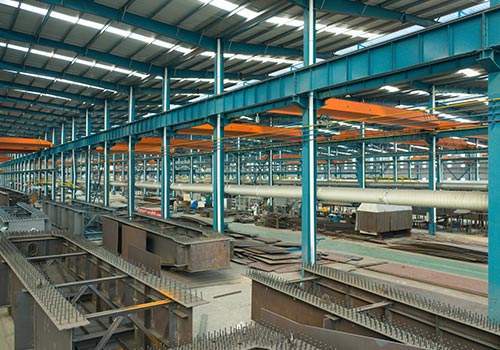
Truss beams are ideal for residential buildings for several reasons. They allow for expansive open spaces without the need for interior support columns, making them a popular choice for homeowners looking for an open floor plan. Additionally, truss beam are lightweight, cost-effective, and efficient, all while maintaining their strength over long spans.
The Benefits of Using Truss Beam
Cost Efficiency and Affordability
One of the primary advantages of using truss beam in residential construction is cost efficiency. Because they are pre-engineered and can be mass-produced, truss beam tend to be more affordable than traditional beams. The use of trusses helps reduce the overall material and labor costs associated with a project, which can be especially important for residential builds on a budget.
Increased Structural Strength
Truss beams are designed with a triangular configuration that distributes weight evenly across the structure. This design allows for greater load-bearing capacity, ensuring the strength and durability of the home. Whether you’re building a two-story house or a sprawling single-level home, truss beam provide excellent structural integrity.
Ease of Installation
Another advantage of truss beams is their ease of installation. Since trusses are pre-engineered, they can be delivered to the site ready for installation, which significantly reduces construction time. This allows builders to complete residential projects faster and more efficiently, leading to quicker turnarounds for homeowners.
Maximizing Space
The design of truss beam allows for wide, open spans, meaning that homeowners can enjoy more usable space within the home. Unlike traditional beams that require columns or walls to provide support, truss beam eliminate the need for obstructions in the interior space. This maximizes the room layout and enhances the aesthetics of the home.
Key Considerations When Using Truss Beams in Residential Construction
Types of Truss Beam
There are several types of truss beam, including pitched, flat, and scissors trusses. Each type is suitable for different building needs and can be customized to meet specific design requirements. Pitched trusses, for example, are often used for roofing, while flat trusses are commonly used for floor systems.
Material Choices: Wood vs. Steel Truss Beam
Both wood and steel trusses are commonly used in residential construction, each offering distinct advantages. Wooden trusses are cost-effective and lightweight, making them ideal for residential projects. Steel trusses, on the other hand, offer superior strength and are often used in larger or more complex builds. The choice between wood and steel trusses depends on factors such as project size, budget, and design goals.
How Truss Beam Contribute to Energy Efficiency
Improved Insulation
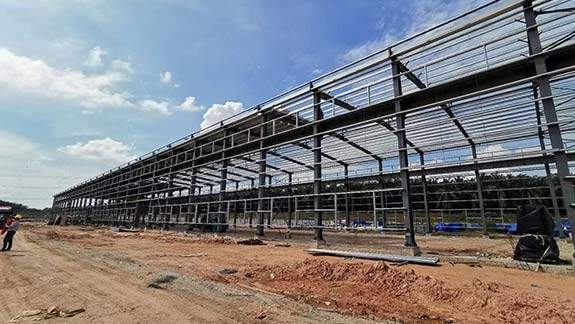
Truss beams can also contribute to a home’s energy efficiency. When combined with proper insulation, truss beam help maintain a consistent internal temperature by reducing heat loss. This leads to lower energy consumption and reduces heating and cooling costs, making your home more environmentally friendly and cost-effective in the long run.
Better Ventilation
Certain types of truss beam, such as those used in roof framing, can also facilitate better ventilation. The space between the beams allows for air circulation, which helps in preventing moisture buildup and improving the overall air quality in the home. This is particularly beneficial in areas that are prone to humidity or in homes with higher moisture levels.
Truss Beams: A Long-Term Investment for Your Home
Durability and Longevity
Truss beam are designed to last for many years, providing reliable support throughout the lifespan of a building. Properly maintained, trusses can withstand harsh weather conditions, including heavy snowfall and strong winds. Their durability ensures that homeowners will not need to worry about frequent repairs or replacements.
The Role of Truss Beam in Sustainability
Truss beam also play a significant role in sustainable construction practices. By optimizing materials and reducing waste during the manufacturing process, trusses contribute to eco-friendly construction. Additionally, their ability to maximize space and energy efficiency further supports a sustainable living environment.
Advantages of Truss Beam: A Quick Summary
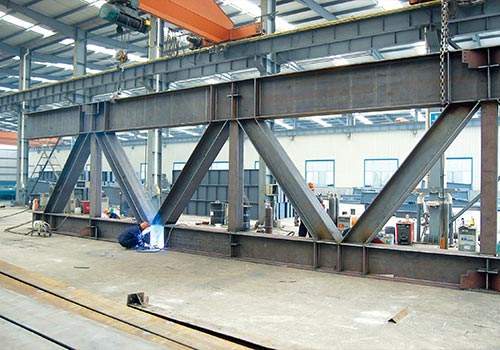
Here’s a quick summary of the advantages of using truss beam in residential builds:
| Advantage | Explanation |
|---|---|
| Cost Efficiency | Trusses are affordable and reduce material and labor costs. |
| Structural Strength | Their triangular design provides excellent weight distribution and support. |
| Ease of Installation | Pre-engineered trusses speed up the construction process. |
| Maximized Space | Trusses eliminate the need for interior columns, increasing usable space. |
| Durability | Trusses are built to last and withstand harsh weather conditions. |
| Energy Efficiency | Proper insulation with trusses reduces energy consumption and costs. |
| Better Ventilation | Trusses allow for improved airflow, reducing moisture buildup. |
| Sustainability | Trusses contribute to sustainable construction by reducing waste. |
Conclusion
Truss beams offer a wide range of benefits for residential construction, including cost savings, increased structural strength, and the ability to create spacious and energy-efficient homes. Whether you’re building a new home or renovating an existing one, truss beams are a smart choice that can deliver long-term value and reliability. Ready to enhance your home construction with high-quality truss beams? Don’t hesitate to explore your options and make a smart investment for your project today.
FAQ
Are truss beams suitable for all types of residential buildings?
Yes, truss beams are highly versatile and can be used in various types of residential buildings, from small cottages to large multi-story homes.
Can I customize truss beam for my home design?
Absolutely! Truss beam can be customized to meet your specific design requirements, whether you need them for roofs, floors, or other structural elements.
How do I maintain truss beams once they are installed?
Truss beams generally require minimal maintenance. However, it’s important to regularly inspect them for any signs of damage or wear, especially after extreme weather events.