Welcome to My Blog!
Before we dive into the content, I’d love for you to join me on my social media platforms where I share more insights, engage with the community, and post updates. Here’s how you can connect with me:
Facebook:https://www.facebook.com/profile.php?id=61565337355573
Now, let’s get started on our journey together. I hope you find the content here insightful, engaging, and valuable.
Table of Contents
Introduction
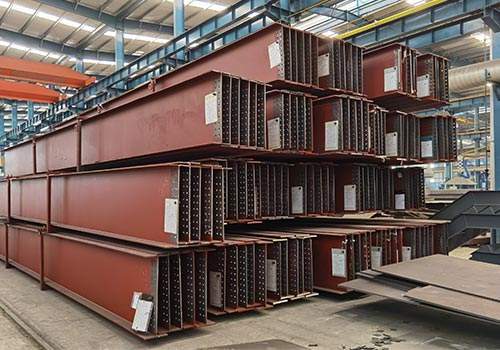
In the world of construction, the design and implementation of steel structures are a vital part of creating durable, cost-efficient buildings. Advanced steel structure design has revolutionized the way architects, engineers, and builders approach construction, offering numerous benefits. By optimizing the design and materials, businesses can unlock significant cost savings while ensuring safety and longevity. This blog explores the key elements of steel structure design, its advantages, and how it contributes to cost savings in construction projects.
What is Steel Structure Design?
Steel structure design refers to the process of creating frameworks made from steel that support various types of buildings or infrastructure. These frameworks are used in residential, commercial, and industrial projects to provide strength, flexibility, and durability. The design process includes selecting materials, defining dimensions, calculating loads, and ensuring that the structure will withstand environmental conditions. By focusing on innovative design, builders can enhance the structure’s performance while keeping construction costs low.
Key Benefits of Steel Structure Design
Cost Efficiency
One of the most significant advantages of steel structure design is cost savings. By using advanced design techniques, steel structures are often more economical than traditional construction methods. Steel is a highly durable material, which means that buildings require less maintenance over time. Additionally, steel’s strength allows for the reduction of material waste, as less steel is required to achieve the same structural integrity.
Durability and Longevity
Steel structures are known for their strength and durability. They are resistant to fire, pests, and harsh weather conditions, making them ideal for buildings in areas prone to extreme conditions. The longevity of steel structures also means fewer repairs and lower long-term maintenance costs, contributing to overall cost savings for building owners.
Faster Construction Timeline
With advanced steel structure design, construction timelines can be significantly shortened. Prefabricated steel components are often used, which reduces on-site labor time. As a result, projects can be completed faster, leading to lower labor costs and quicker return on investment.
Sustainability and Environmental Impact
Advanced steel structure design also focuses on sustainability. Steel is 100% recyclable, and modern design practices emphasize minimizing waste during production and construction. By using steel, which can be recycled and reused, construction companies contribute to environmental conservation while reducing the cost of sourcing new materials.
Flexibility in Design
Steel’s versatility allows for a wide range of design possibilities. Whether the project requires complex architectural elements or large open spaces, steel structures can accommodate diverse designs. This flexibility helps architects and engineers create buildings that meet the specific needs of the project without compromising on performance or aesthetics.
How Advanced Steel Structure Design Reduces Costs
Optimized Material Usage
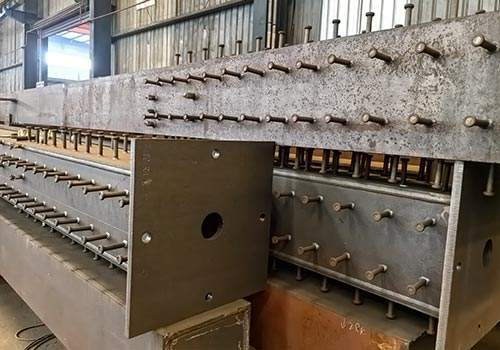
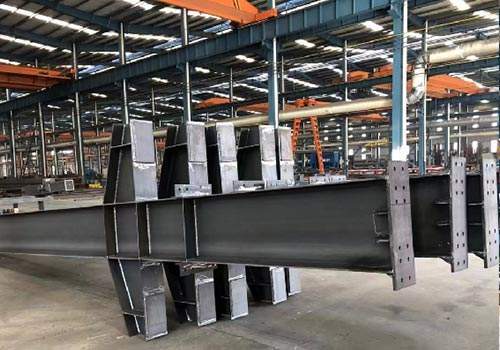
In advanced steel structure design, material usage is carefully optimized. Designers use advanced software to analyze structural loads, ensuring that the right amount of steel is used in the right places. This reduces excess material usage, leading to cost savings. Moreover, steel’s strength-to-weight ratio ensures that thinner, lighter materials can be used without sacrificing safety or stability.
Reduced Labor Costs
Since steel structures can be prefabricated off-site, the need for skilled labor on-site is reduced. Prefabrication allows workers to focus on assembly rather than complex tasks, which reduces the overall labor costs. Additionally, with advanced design practices, the structure is often easier to assemble, further cutting down on labor expenses.
Lower Maintenance Costs
The durability of steel structures contributes to lower long-term maintenance costs. Steel’s resistance to corrosion, pests, and weathering means that the structure will require less maintenance throughout its lifespan. This is a key factor in reducing overall costs for building owners and operators.
Steel Structure Design for Different Industries
Commercial and Industrial Buildings
Steel structure design is widely used in commercial and industrial buildings. These types of structures require large, open spaces for operations, and steel’s ability to create long spans with minimal support makes it ideal for such applications. Steel also allows for quicker construction, making it an excellent choice for businesses that need to move into their new buildings as soon as possible.
Residential Buildings
While steel structures are often associated with commercial and industrial applications, they are increasingly being used in residential construction as well. Steel framing is stronger and more durable than traditional wood framing, and it offers greater protection against the elements. Steel residential buildings are also more energy-efficient, which can lead to significant savings in heating and cooling costs over time.
Infrastructure Projects
In infrastructure projects, such as bridges and tunnels, steel structure design is crucial. Steel’s strength and flexibility make it suitable for withstanding the stress and environmental conditions these structures face. Steel bridges, for instance, are able to support heavier loads and have a longer lifespan compared to other materials, reducing the need for frequent repairs and replacements.
Steel Structure Design and Building Codes
When designing steel structures, it is essential to adhere to local building codes and regulations. These codes are designed to ensure the safety, stability, and environmental sustainability of the building. In advanced steel structure design, engineers ensure that the structure complies with these codes while also optimizing for cost efficiency.
Advanced Steel Structure Design Process
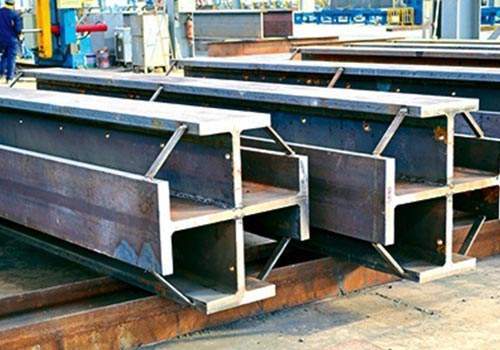
The design process for steel structures involves several stages, each critical to ensuring the structure’s success. Below is a simplified overview of the process:
- Conceptual Design: Initial discussions and designs to outline the project’s objectives, including materials and size.
- Preliminary Design: Involves calculations to determine load requirements, structural elements, and the optimal use of steel.
- Detailed Design: Finalizing the design with precise specifications, including material thickness, joint types, and fabrication methods.
- Construction and Assembly: Prefabrication of steel components off-site followed by on-site assembly and installation.
Cost-Saving Strategies in Steel Structure Design
Use of Prefabrication
Prefabrication plays a major role in cost reduction. Components are manufactured in a controlled environment, ensuring consistency and reducing on-site labor costs. Since components are ready to be assembled upon arrival, the construction process is much faster.
Efficient Transportation of Materials
Advanced steel structure designs often incorporate modular elements that are easy to transport. By reducing the number of trips and simplifying transportation logistics, companies can save money on shipping costs. Additionally, less transportation time leads to faster project completion.
Minimizing Waste
By carefully planning and using steel efficiently, waste is minimized during both the fabrication and construction phases. Advanced software tools allow designers to reduce material waste, which not only helps the environment but also leads to financial savings.
Key Factors to Consider in Steel Structure Design
| Factor | Description |
|---|---|
| Load-Bearing Capacity | The design must account for the expected loads the structure will bear. |
| Material Strength | The steel used must meet required strength standards for safety and performance. |
| Environmental Conditions | The structure should be designed to withstand local climate conditions, including temperature fluctuations, wind, and moisture. |
| Cost of Materials | Steel prices fluctuate; advanced design ensures efficient use of materials to reduce costs. |
| Construction Time | Efficient design reduces time spent on-site, leading to savings in labor and overhead costs. |
Conclusion
Advanced steel structure design offers significant opportunities for cost savings without compromising safety, durability, or functionality. By focusing on material efficiency, reducing waste, and utilizing prefabrication, businesses can unlock substantial savings on construction projects. Whether you are building a residential home, commercial office space, or an industrial complex, investing in steel structure design ensures long-term benefits. Don’t miss out on the cost-saving potential of advanced steel structure design – contact us today for more information and start your next project with the best in the industry.
FAQ
What are the primary benefits of steel structure design?
Steel structure design offers numerous benefits, including cost efficiency, durability, flexibility in design, and sustainability. It is particularly advantageous for reducing long-term maintenance costs.
How does advanced steel structure design reduce construction costs?
Advanced design techniques optimize material usage, reduce labor costs by incorporating prefabrication, and minimize waste, resulting in significant cost savings.
Can steel structure design be used in residential buildings?
Yes, steel structure design is increasingly used in residential buildings due to its strength, durability, and energy efficiency.