Welcome to My Blog!
Before we dive into the content, I’d love for you to join me on my social media platforms where I share more insights, engage with the community, and post updates. Here’s how you can connect with me:
Facebook:https://www.facebook.com/profile.php?id=61565337355573
Now, let’s get started on our journey together. I hope you find the content here insightful, engaging, and valuable.
Table of Contents
Introduction
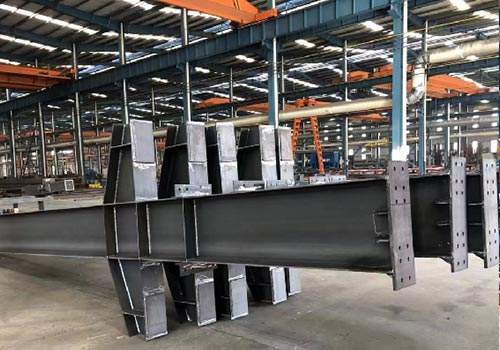
In the world of construction and infrastructure, the selection of high-quality structural steel is paramount. Among the most versatile and widely used steel products are H shape steel beams. As a leading H shape steel beam manufacturer, we understand the critical role these beams play in ensuring the stability and longevity of various projects. This blog post aims to provide a comprehensive overview of H shape steel beams, their applications, and the factors that make a manufacturer stand out in terms of quality and value. We will explore the intricacies of H shape steel beam manufacturing and provide insights into how to select the best supplier for your needs.
Understanding H Shape Steel Beams: A Structural Marvel
H shape steel beams, also known as wide flange beams, are distinguished by their H-shaped cross-section. This design provides exceptional strength and stability, making them ideal for a wide range of structural applications. The horizontal elements of the “H” are called flanges, and the vertical element is called the web. This configuration allows for efficient distribution of load and resistance to bending, torsion, and shear forces.
The Significance of Quality in H Shape Steel Beam Manufacturing
When sourcing H shape steel beams, quality should be the primary consideration. A reputable H shape steel beam manufacturer will adhere to stringent quality control measures throughout the production process. This includes:
- Raw Material Selection: Using high-grade steel that meets industry standards.
- Precision Manufacturing: Employing advanced technology and machinery to ensure accurate dimensions and consistent quality.
- Rigorous Testing: Conducting thorough inspections and tests to verify the structural integrity and performance of the beams.
Applications of H Shape Steel Beams: Versatility in Construction
H shape steel beams are integral to numerous construction projects, including:
- Building Construction: Used as primary structural supports in high-rise buildings, warehouses, and industrial facilities.
- Bridge Construction: Essential components in bridge frameworks, providing the necessary strength and durability.
- Infrastructure Projects: Utilized in the construction of tunnels, railways, and other infrastructure developments.
- Industrial Applications: Employed in the fabrication of heavy machinery, equipment, and structural components.
Factors to Consider When Choosing an H Shape Steel Beam Manufacturer
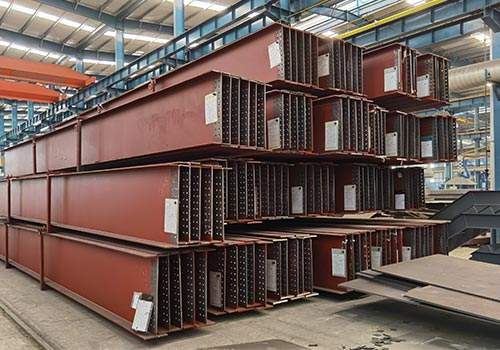
Selecting the right H shape steel beam manufacturer is crucial for the success of your project. Here are some key factors to consider:
Manufacturing Capabilities and Technology
A leading H shape steel beam manufacturer will possess state-of-the-art manufacturing facilities and employ advanced technology. This ensures precision, efficiency, and consistent quality in the production of H shape steel beams.
Quality Control and Certifications
Reputable manufacturers adhere to strict quality control standards and hold relevant certifications, such as ISO 9001. These certifications demonstrate a commitment to quality and provide assurance that the products meet industry requirements.
Customization and Flexibility
Every project has unique requirements. A reliable H shape steel beam manufacturer should offer customization options to meet specific needs, including varying sizes, lengths, and steel grades.
Customer Service and Support
Excellent customer service is essential. A responsive and knowledgeable manufacturer will provide timely assistance, address concerns, and offer technical support throughout the project.
H Shape Steel Beam Specifications and Standards
Understanding the specifications and standards of H shape steel beams is essential for ensuring their suitability for your project. Key specifications include:
- Dimensions: Height, flange width, and web thickness.
- Steel Grade: The type of steel used, which determines the strength and properties of the beam.
- Standards: Compliance with industry standards such as ASTM, EN, and JIS.
Here is a table demonstrating some of the common h shape steel beam sizes.
| Dimension HxWxT1xT2 (mm) | Weight (kg/m) | Area (cm^2) | Ix (cm^4) | Iy (cm^4) |
|---|---|---|---|---|
| 100x100x6x8 | 17.2 | 21.9 | 453 | 167 |
| 125x125x6.5×9 | 23.6 | 30.1 | 924 | 335 |
| 150x150x7x10 | 30.9 | 39.4 | 1670 | 609 |
| 200x200x8x12 | 49.9 | 63.6 | 4570 | 1630 |
| 250x250x9x14 | 72.4 | 92.3 | 9800 | 3520 |
| 300x300x10x15 | 94.0 | 120 | 18300 | 6570 |
The Importance of Sustainable Manufacturing
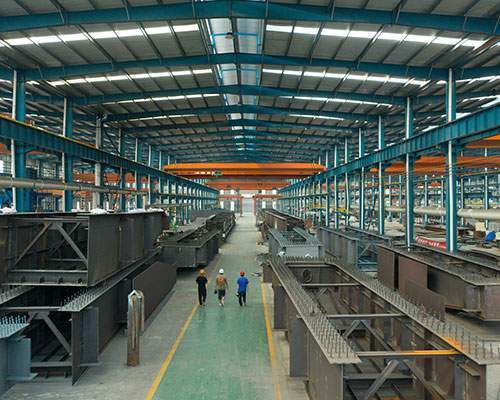
In today’s environmentally conscious world, sustainable manufacturing practices are increasingly important. A responsible H shape steel beam manufacturer will prioritize:
- Recycling: Utilizing recycled steel and minimizing waste.
- Energy Efficiency: Implementing energy-saving measures in the production process.
- Environmental Compliance: Adhering to environmental regulations and standards.
Cost-Effectiveness and Value
While quality is paramount, cost-effectiveness is also a significant consideration. A reputable H shape steel beam manufacturer will offer competitive pricing without compromising on quality. This ensures that you receive the best value for your investment.
Logistical and Delivery Capabilities
Timely delivery is crucial for project timelines. A reliable manufacturer will have efficient logistics and delivery capabilities to ensure that your H shape steel beams arrive on schedule.
H Shape Steel Beam: Advanced Manufacturing Techniques
Modern H shape steel beam manufacturing utilizes advanced techniques to enhance efficiency and quality. These include:
- Automated Welding: Employing robotic welding systems for precise and consistent welds.
- Computer-Aided Design (CAD): Using CAD software to optimize beam design and ensure accuracy.
- Advanced Cutting Technology: Utilizing laser cutting and plasma cutting for precise shaping and sizing.
Quality Assurance in H Shape Steel Beam Production
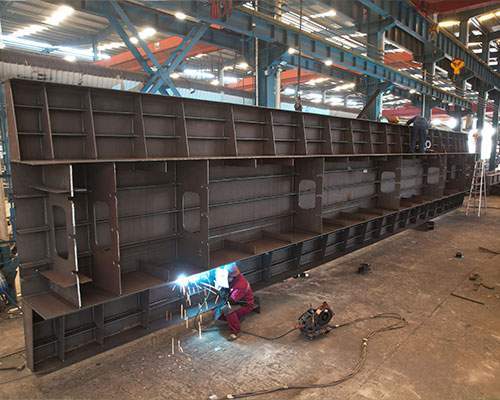
Quality assurance is a critical aspect of H shape steel beam manufacturing. Manufacturers employ various methods to ensure that their products meet the highest standards.
Material Testing
Rigorous material testing is conducted to verify the chemical composition and mechanical properties of the steel. This includes tensile testing, yield strength testing, and impact testing.
Dimensional Accuracy
Precise dimensional accuracy is essential for ensuring the proper fit and function of H shape steel beams. Manufacturers use advanced measurement tools and techniques to verify dimensions.
Non-Destructive Testing (NDT)
NDT methods, such as ultrasonic testing and magnetic particle testing, are used to detect internal flaws and defects without damaging the beams.
Conclusion
Choosing the right H shape steel beam manufacturer is essential for the success of your construction or infrastructure project. By prioritizing quality, reliability, and value, you can ensure that your project is built on a solid foundation. As a leading H shape steel beam manufacturer, we are committed to providing high-quality products and exceptional service to our clients. Contact us today to discuss your project requirements and discover how we can help you achieve your goals. Invest in quality, invest in your projects success, buy your next H shape steel beams from us.
FAQ
What are H shape steel beams used for?
H shape steel beams are used in a variety of construction and infrastructure projects, including building construction, bridge construction, and industrial applications.
How do I choose the right H shape steel beam manufacturer?
Consider factors such as manufacturing capabilities, quality control, customization options, and customer service.
What are the key specifications of H shape steel beams?
Key specifications include dimensions, steel grade, and compliance with industry standards.