Welcome to My Blog!
Before we dive into the content, I’d love for you to join me on my social media platforms where I share more insights, engage with the community, and post updates. Here’s how you can connect with me:
Facebook:https://www.facebook.com/profile.php?id=61565337355573
Now, let’s get started on our journey together. I hope you find the content here insightful, engaging, and valuable.
Table of Contents
Introduction
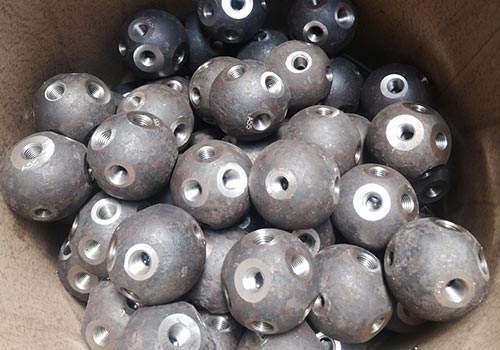
In the ever-evolving landscape of construction, the pursuit of durable and efficient building solutions remains paramount. One innovative component that has garnered significant attention is the bolt ball. These seemingly simple fasteners play a crucial role in ensuring the structural integrity and longevity of various constructions. This comprehensive guide delves into the intricacies of bolt balls, exploring their applications, benefits, and the factors that contribute to their effectiveness. Understanding the importance of bolt balls is essential for any professional or enthusiast involved in building projects.
Understanding the Fundamentals of Bolt Balls
What Are Bolt Balls?
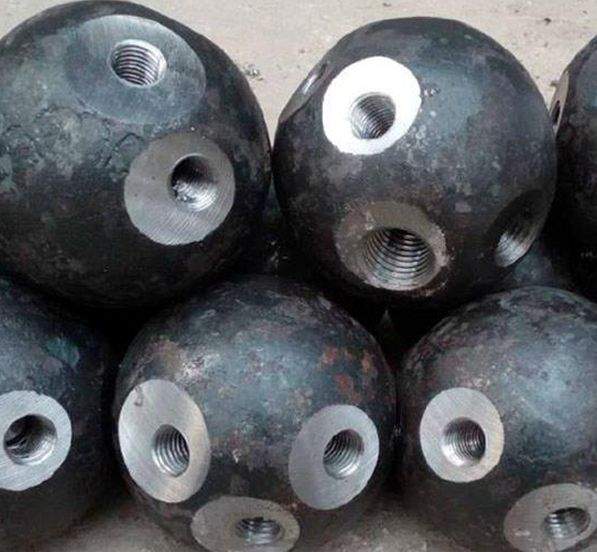
Bolt balls are specialized fasteners designed to create strong, secure connections in structural applications. They are typically spherical or semi-spherical components with threaded holes, allowing them to be joined with bolts to form robust joints. The unique shape of bolt ball distributes loads evenly, minimizing stress concentrations and enhancing the overall strength of the connection.
Materials and Manufacturing
The materials used in bolt ball manufacturing significantly impact their performance. Common materials include high-strength steel, stainless steel, and various alloys. The manufacturing process involves precision machining, heat treatment, and surface finishing to ensure dimensional accuracy and durability. High-quality bolt ball are engineered to withstand extreme conditions and maintain their integrity over time.
The Role of Bolt Balls in Structural Connections
In structural connections, bolt ball serve as critical load-bearing elements. They facilitate the transfer of forces between structural members, ensuring stability and preventing premature failure. The design of bolt ball allows for flexibility in joint configurations, accommodating various angles and orientations. This adaptability is crucial in complex structures where precise alignment and load distribution are essential.
Applications of Bolt Balls in Modern Construction
Architectural Applications
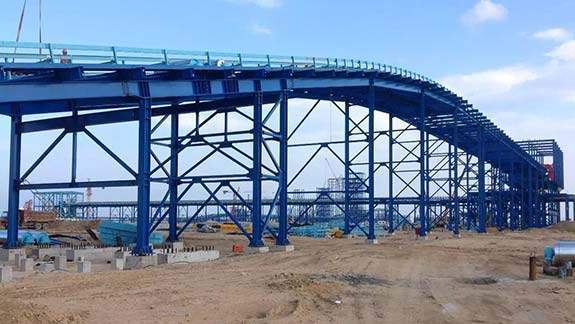
Bolt balls are widely used in architectural projects, particularly in the construction of complex structures such as geodesic domes, space frames, and tensile structures. Their ability to create intricate connections and distribute loads evenly makes them ideal for architecturally challenging designs. The aesthetic appeal of bolt balls also contributes to the visual appeal of modern buildings, where exposed structural elements are often incorporated into the design.
Industrial Applications
In industrial settings, bolt ball are employed in the construction of bridges, pipelines, and heavy machinery. Their robust design and high load-bearing capacity make them suitable for demanding applications where structural integrity is paramount. The use of bolt ball in these applications ensures the safety and reliability of critical infrastructure.
Renewable Energy Structures
The renewable energy sector benefits significantly from the use of bolt ball. In wind turbine construction, bolt balls are used to connect tower sections and blade components, ensuring the stability and performance of these large structures. Similarly, in solar panel installations, bolt ball provide secure connections for mounting frames, enhancing the durability and efficiency of solar energy systems.
Advantages of Using Bolt Ball in Building Projects
Enhanced Durability and Longevity
One of the primary advantages of bolt balls is their exceptional durability. The materials and manufacturing processes used in their production ensure that they can withstand harsh environmental conditions and heavy loads. This durability translates to a longer lifespan for structures, reducing the need for frequent maintenance and replacements.
Improved Structural Integrity
The design of bolt ball facilitates even load distribution, minimizing stress concentrations and enhancing the overall strength of structural connections. This improved structural integrity is crucial in ensuring the safety and stability of buildings, especially in regions prone to seismic activity or extreme weather conditions.
Increased Efficiency in Construction
The use of bolt balls can streamline the construction process, reducing the time and labor required for assembly. Their standardized design and ease of installation make them a cost-effective solution for various building projects. Additionally, the prefabrication of structural components using bolt ball allows for faster on-site assembly, further enhancing efficiency.
Flexibility in Design and Assembly
Bolt balls offer unparalleled flexibility in design and assembly. Their ability to accommodate various angles and orientations makes them suitable for complex structural configurations. This flexibility allows architects and engineers to create innovative designs that would be challenging to achieve with traditional fastening methods.
Technical Specifications and Considerations for Bolt Ball
Material Selection
The selection of appropriate materials for bolt ball is crucial for ensuring their performance and durability. Factors to consider include the load-bearing capacity, corrosion resistance, and environmental conditions. High-strength steel is commonly used for its exceptional strength, while stainless steel is preferred for its corrosion resistance in marine and coastal environments.
Size and Load Capacity
The size and load capacity of bolt balls must be carefully calculated to meet the specific requirements of each application. Factors such as the diameter, thread size, and material strength influence the load-bearing capacity. It is essential to consult with engineers and manufacturers to determine the appropriate size and load capacity for each project.
Installation and Maintenance
Proper installation and maintenance are essential for ensuring the long-term performance of bolt ball. Installation should be carried out by trained professionals using appropriate tools and techniques. Regular inspections and maintenance, including tightening and lubrication, can help prevent premature failure and extend the lifespan of the connections.
Comparative Specifications of Bolt Balls
| Feature | Specification | Importance |
|---|---|---|
| Material | High-Strength Steel, Stainless Steel, Alloys | High |
| Diameter | 10mm to 100mm | Medium |
| Thread Size | M8 to M64 | Medium |
| Load Capacity | 5kN to 500kN | High |
| Corrosion Resistance | Varies by Material | High |
| Temperature Range | -50°C to 200°C | Medium |
| Manufacturing Process | Precision Machining, Heat Treatment | High |
| Surface Finish | Varies by Application | Medium |
| Installation Method | Bolting, Welding | Medium |
Best Practices for Selecting and Using Bolt Balls
Consulting with Experts
It is essential to consult with experienced engineers and manufacturers when selecting bolt balls for a building project. Experts can provide guidance on material selection, size and load capacity calculations, and installation techniques. This consultation ensures that the chosen bolt ball meet the specific requirements of the project and comply with relevant standards and regulations.
Conducting Thorough Testing
Thorough testing of bolt balls is crucial for ensuring their performance and reliability. This testing should include load testing, fatigue testing, and environmental testing to simulate real-world conditions. Additionally, non-destructive testing methods, such as ultrasonic testing and magnetic particle inspection, can be used to detect defects and ensure the quality of bolt ball.
Implementing Quality Control Measures
Implementing rigorous quality control measures throughout the manufacturing and installation processes is essential for ensuring the consistency and reliability of bolt ball. This includes inspections, audits, and documentation to track the quality of materials, manufacturing processes, and installation techniques.
Conclusion
Bolt balls are indispensable components in modern construction, offering enhanced durability, improved structural integrity, and increased efficiency. Their versatility and adaptability make them suitable for a wide range of applications, from architectural masterpieces to industrial infrastructures. As technology advances, bolt balls continue to evolve, incorporating smart features and sustainable materials to meet the demands of future building projects. Investing in high-quality bolt balls is an investment in the longevity and safety of your construction projects. Explore our range of premium bolt balls today and experience the difference in quality and performance.
FAQ
What are the main benefits of using bolt balls?
The main benefits include enhanced durability, improved structural integrity, increased efficiency in construction, and flexibility in design and assembly.
How do I select the right bolt balls for my project?
Consult with experts, consider material selection, size and load capacity, and conduct thorough testing.
What materials are commonly used in bolt ball manufacturing?
High-strength steel, stainless steel, and various alloys are commonly used.