Welcome to My Blog!
Before we dive into the content, I’d love for you to join me on my social media platforms where I share more insights, engage with the community, and post updates. Here’s how you can connect with me:
Facebook:https://www.facebook.com/profile.php?id=61565337355573
Now, let’s get started on our journey together. I hope you find the content here insightful, engaging, and valuable.
Table of Contents
Introduction
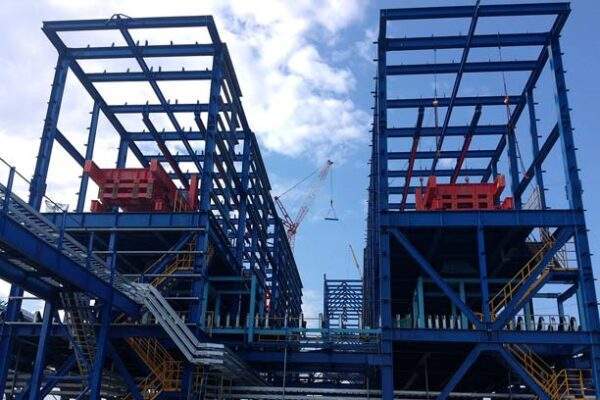
Choosing the right type of structural steel is essential for the strength and durability of any construction project. However, selecting the wrong type of steel can lead to structural issues, unnecessary costs, and delays. This article will examine the top 10 mistakes to avoid when selecting types of structural steel, focusing on key factors that should guide your decision-making process.
Ignoring Load Requirements for Different Types of Structural Steel
Understanding the Importance of Load Requirements
One of the most critical mistakes made during steel selection is ignoring the load-bearing requirements. Different types of structural steel have varying load capacities. Using the wrong steel for specific load conditions can result in failure, which can be both dangerous and expensive.
Key Considerations:
- Tensile Strength: Ensures the steel can withstand stretching without breaking.
- Yield Strength: Determines how much stress the steel can bear before deforming.
- Fatigue Resistance: Necessary for structures subject to repeated loading and unloading.
Overlooking Corrosion Resistance in Types of Structural Steel
Corrosion and Its Impact on Steel Structures
Corrosion can significantly affect the lifespan of a steel structure. Different types of steel provide varying levels of resistance to corrosion. In environments like coastal areas or chemical plants, selecting a steel type with adequate corrosion resistance is essential to avoid costly maintenance and repairs.
Key Considerations:
- Stainless Steel: Offers higher resistance to corrosion compared to regular carbon steel.
- Coating Options: Additional coatings can be applied to steel for enhanced corrosion protection.
Failing to Account for the Durability of Steel Types Over Time
Long-Term Durability of Structural Steel
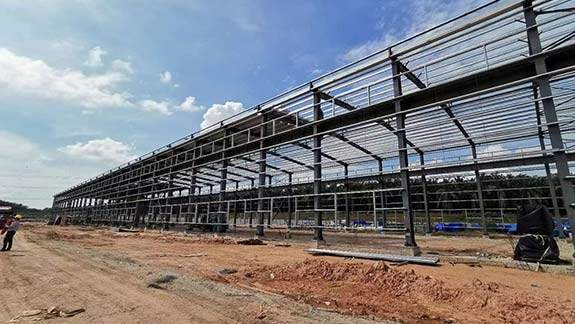
When selecting types of structural steel, durability should be a major consideration. Different steel types have varying resistance to wear and tear, and some are more suitable for long-term performance in harsh environments. Choosing a steel type that is not durable enough for the project can lead to premature failures.
Key Considerations:
- Carbon Steel: Commonly used for cost-effective solutions but may wear out faster in harsh conditions.
- Stainless Steel: A more durable option, especially in corrosive environments.
Not Considering Cost vs. Performance in Types of Structural Steel
Balancing Cost and Performance
Choosing the cheapest steel type may seem like a good idea at first, but it could lead to higher costs in the long run. Different steel types come with various costs and performance characteristics. The key is to find the right balance between cost, performance, and longevity.
Key Considerations:
- Initial Cost: Lower-grade steel may reduce upfront costs but could incur high maintenance costs.
- Performance: Ensure the chosen steel type can perform under the project’s specific conditions.
Ignoring Welding and Fabrication Compatibility with Steel Types
Ease of Welding and Fabrication
Not all types of structural steel are equally easy to fabricate or weld. Some types may require specialized equipment or skills, leading to higher fabrication costs and delays. It’s essential to consider how easy it is to work with the selected steel type when making your decision.
Key Considerations:
- Welding Compatibility: Carbon steel is generally easier to weld than some high-strength alloys.
- Fabrication Ease: Some alloys require more intricate techniques for shaping and cutting.
The Importance of Material Testing When Selecting Types of Structural Steel
Testing to Ensure Quality and Suitability
Material testing is essential before finalizing your choice of structural steel. Various tests can ensure the steel meets the necessary standards for strength, corrosion resistance, and other critical properties. Testing ensures that the steel you choose is up to the task and suitable for the project’s requirements.
Key Considerations:
- Tensile Testing: Ensures the material can handle stress and strain.
- Impact Testing: Ensures steel performs well in varying temperatures and environments.
Choosing the Right Steel Alloy for the Project’s Needs
Selecting the Ideal Alloy
Steel alloys differ in their properties. Some alloys are better suited for high-stress applications, while others are designed for better corrosion resistance. Understanding the specific needs of your project will help you choose the right steel alloy.
Key Considerations:
- Carbon Steel Alloys: Ideal for low-cost, general-purpose use.
- Stainless Steel: Perfect for environments that require corrosion resistance, such as marine or chemical industries.
Underestimating Environmental Factors Affecting Steel
Environmental Considerations for Steel Durability
Certain environmental factors, such as extreme temperatures, humidity, or exposure to chemicals, can affect the performance of steel. Failing to consider these factors can result in costly repairs or replacements.
Key Considerations:
- Temperature Resistance: Some types of steel are more resistant to extreme temperatures, which is essential for certain environments.
- Chemical Exposure: Steel must be resistant to the chemicals it will encounter, especially in industrial settings.
Failing to Consider Sustainability in Steel Selection
The Role of Sustainability in Steel Selection
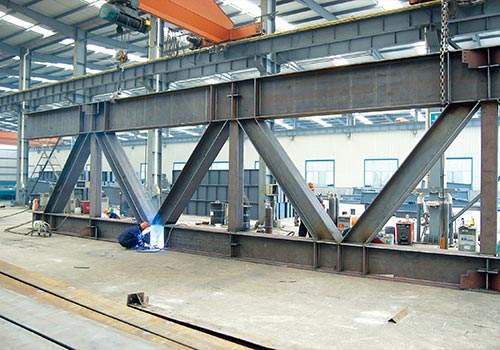
Sustainability is becoming an increasingly important factor in choosing types of structural steel. Some steel types are more sustainable, offering better recyclability and lower environmental impact during production. Failing to account for sustainability can increase a project’s environmental footprint.
Key Considerations:
- Recyclability: Steel can be recycled, but some alloys may be more easily recyclable than others.
- Production Impact: Some types of steel have a larger carbon footprint during manufacturing.
Not Consulting with Experts on Steel Selection
The Value of Expert Consultation
Choosing the right type of structural steel can be complicated, and consulting with an expert can ensure the selection is correct. Engineers, material scientists, and experienced contractors can offer insights that can help avoid costly mistakes.
Key Considerations:
- Expert Recommendations: Consultants can offer advice based on their extensive experience.
- Collaboration: Working with experts can also streamline the process and ensure that all needs are met.
Failing to Plan for Future Modifications or Load Changes
Considering Future Project Needs
When choosing types of structural steel, it’s important to consider potential future changes to the project, such as added loads or modifications. Selecting a steel type that can handle future demands without needing significant reinforcements will save time and money.
Key Considerations:
- Load-Bearing Capacity: Ensure the steel can accommodate future changes in load.
- Flexibility for Modifications: Some steel types allow for easier modifications or additions to the structure.
Overlooking the Importance of Standardization
The Benefits of Standardization in Steel Selection
Standardizing the steel types used in a project can streamline procurement and ensure uniformity. Using non-standard or hard-to-source steel types can result in delays and complications in the supply chain. It’s important to select steel types that meet the necessary construction standards and are easily available.
Key Considerations:
- Standardization for Consistency: Standardized types of steel are easier to source and maintain.
- Supply Chain Reliability: Using standardized steel ensures a steady and reliable supply throughout the project.
Table: Common Types of Structural Steel
| Type of Structural Steel | Characteristics | Common Applications |
|---|---|---|
| Carbon Steel | Strong, cost-effective, prone to rusting | Residential buildings, bridges |
| Stainless Steel | Corrosion-resistant, durable | Commercial buildings, marine environments |
| Alloy Steel | High strength, resistant to wear | Heavy machinery, industrial applications |
| High Strength Steel | Stronger, resistant to heavy loads | High-rise buildings, infrastructure projects |
Conclusion
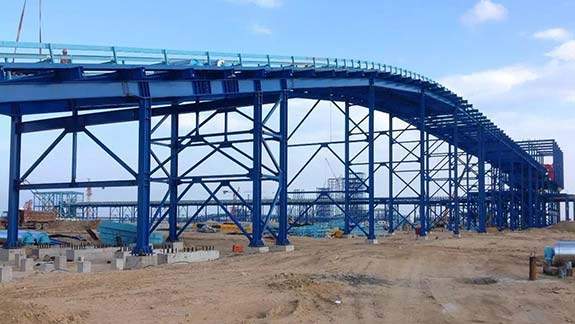
Selecting the correct type of structural steel is vital for the safety, efficiency, and cost-effectiveness of your construction project. By avoiding these common mistakes, you can make a more informed decision that ensures the long-term success of the project. Understanding the properties of different types of steel and considering factors such as load-bearing capacity, corrosion resistance, and sustainability will help you choose the ideal material.
FAQ
What is the most commonly used type of structural steel?
Carbon steel is widely used due to its cost-effectiveness and versatility. However, the right steel type will depend on the specific needs of the project.
Can I use the same type of structural steel for all types of construction?
No, each type of steel is suited to different applications. For instance, stainless steel is best for environments with high corrosion risk, while carbon steel is better for general construction.
How do I know if the steel I select is appropriate for my project?
Material testing and consulting with a structural engineer will help ensure the steel meets the necessary standards and is suitable for the project’s requirements.
Why is sustainability important when choosing structural steel?
Sustainability ensures that the steel used has a minimal environmental impact and is recyclable, which is becoming increasingly important in modern construction practices.