Welcome to My Blog!
Before we dive into the content, I’d love for you to join me on my social media platforms where I share more insights, engage with the community, and post updates. Here’s how you can connect with me:
Facebook:https://www.facebook.com/profile.php?id=61565337355573
Now, let’s get started on our journey together. I hope you find the content here insightful, engaging, and valuable.
Table of Contents
Introduction
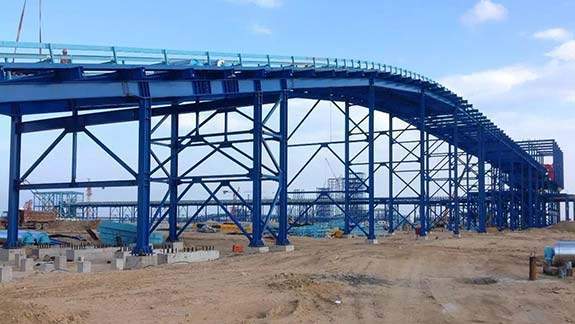
The space frame steel structure is an architectural marvel that has transformed the way buildings are designed and constructed. This innovative structural system is known for its ability to create large, open spaces with minimal support, offering both strength and aesthetic flexibility. Widely used in modern architecture, space frame steel structures are now found in various buildings ranging from sports arenas to exhibition halls and airports.
In this blog, we will explore the key benefits, applications, and construction techniques of space frame steel structures, and provide insight into why they are a popular choice in contemporary architecture.
What is a Space Frame Steel Structure?
A space frame steel structure is a three-dimensional, rigid framework made up of interconnected steel members arranged in a geometric pattern. These structures distribute loads evenly across their surface and provide excellent stability, even when subjected to significant forces. The use of steel in space frames ensures durability, while the open design allows for greater flexibility in terms of architectural creativity and spatial utilization.
Key Features of Space Frame Steel Structures
- Three-Dimensional Load Distribution: Space frames efficiently distribute loads across the entire structure, making them ideal for large spans and complex geometries.
- Lightweight and Durable: The use of steel ensures that space frames are strong and lightweight, offering both flexibility in design and resilience.
- Cost-Effective: By utilizing fewer materials and providing greater stability, space frames reduce overall construction costs while maintaining performance.
- Design Flexibility: Space frame systems allow for creative and unique designs that can span large areas without the need for additional support columns.
Applications of Space Frame Steel Structures in Architecture
Sports Arenas and Stadiums
One of the most well-known applications of space frame steel structures is in the construction of sports arenas and stadiums. The ability to create large, open, column-free spaces is crucial for accommodating spectators and ensuring unobstructed views. The space frame steel structure is the perfect solution for this need, as it can span vast areas without compromising structural integrity.
Airports and Terminal Buildings
Space frames are also used in airport terminal buildings, where wide-open spaces are necessary for passenger movement and baggage handling. The lightweight yet durable nature of space frames allows for expansive roofs, minimizing the need for internal support columns and enhancing the flow of people.
Exhibition Halls and Convention Centers
Exhibition halls and convention centers require large, flexible spaces to accommodate exhibitions, displays, and events. Space frame steel structures provide an ideal solution by offering clear spans and structural strength, allowing for open, adaptable spaces that can be reconfigured to meet varying needs.
Commercial and Office Buildings
Space frames can also be used in commercial and office buildings, especially for high-rise structures. They provide the necessary support for expansive roofs and large glass facades, creating modern, open-plan office spaces that are both functional and aesthetically pleasing.
Transportation Infrastructure
Space frame steel structures are used in transportation infrastructure, including bridges, tunnels, and railway stations. The durability and strength of space frames allow them to withstand heavy loads and environmental stresses while maintaining structural stability.
Benefits of Using Space Frame Steel Structures
Efficiency and Speed of Construction
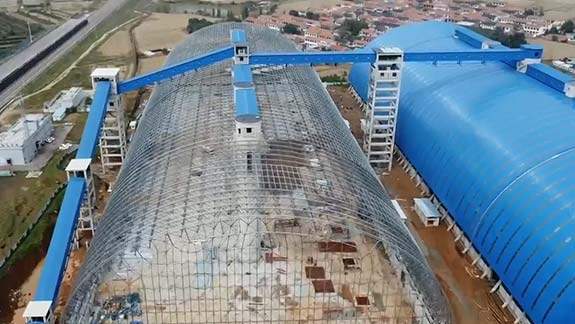
The modular nature of space frame steel structures allows for quicker assembly and construction, reducing labor costs and shortening project timelines. Prefabrication techniques, often employed in space frame construction, enable components to be manufactured off-site and then assembled on-site.
Structural Strength and Stability
Space frames are known for their exceptional strength and stability. The three-dimensional framework ensures that loads are evenly distributed across the structure, making it resilient to forces such as wind, snow, and earthquakes.
Sustainability and Environmental Impact
Using steel in space frames contributes to sustainability due to its recyclability. Moreover, the reduction in material usage compared to traditional building methods makes space frame construction a more environmentally friendly option.
Aesthetic Appeal and Architectural Creativity
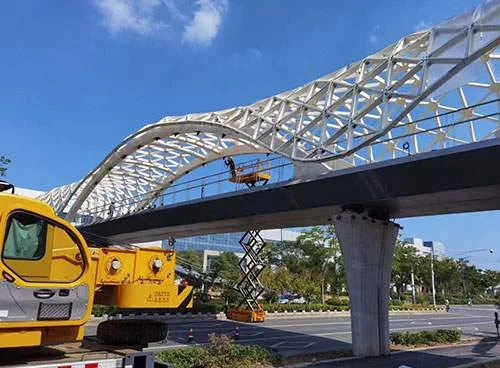
The open and lightweight design of space frames allows for greater architectural creativity. Their geometric shapes and versatility can enhance the visual appeal of a building while maintaining structural integrity.
Comparison of Space Frame Steel Structure Types
| Feature | Truss-Based Space Frame | Tension-Based Space Frame | Hybrid Space Frame |
|---|---|---|---|
| Design Flexibility | High | Moderate | High |
| Load Distribution | Even | Uniform | Balanced |
| Material Efficiency | Good | Very efficient | Moderate |
| Ease of Construction | Moderate | Complex | Moderate |
| Application Use | Large span buildings | Lightweight structures | Varied uses |
| Structural Stability | Very stable | High flexibility | Strong |
How to Design and Build with Space Frame Steel Structures
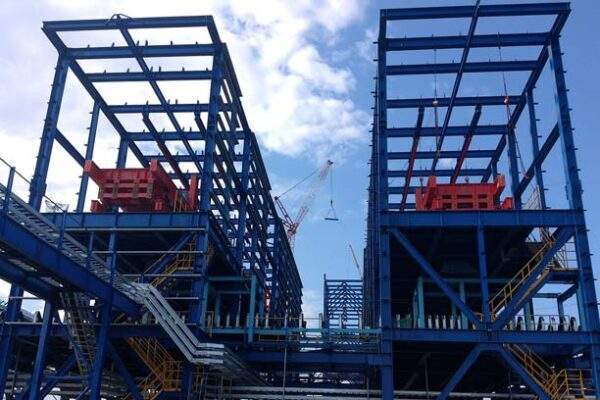
Step 1: Preliminary Planning and Site Assessment
Before designing a space frame, a thorough site assessment and analysis of the intended building’s load requirements are essential. Understanding the terrain, wind load, and seismic activity in the area will influence the design and material selection.
Step 2: Selection of Materials and Components
Choosing the right materials for the space frame system is critical to its performance. Steel is commonly used due to its strength and versatility, but designers may also use composite materials in certain cases for specific aesthetic or functional goals.
Step 3: Structural Design and Engineering
The design process involves creating the geometric framework that will make up the space frame. Structural engineers use advanced software to simulate load distribution and ensure the frame’s stability. The design is then optimized for material efficiency and cost-effectiveness.
Step 4: Fabrication and Assembly
Once the design is finalized, the components are fabricated in a controlled factory setting, often using advanced robotics and automated systems. These prefabricated components are then transported to the construction site for final assembly.
Step 5: Installation and Testing
After assembly, the space frame is carefully installed, with continuous monitoring to ensure that it is structurally sound. Testing is conducted to ensure it can handle the intended loads and resist external forces such as wind or snow.
Conclusion
The space frame steel structure is a revolutionary system that has significantly impacted modern architecture. Its ability to provide expansive, open spaces with minimal support makes it ideal for various applications, from sports stadiums to office buildings. By offering a combination of strength, efficiency, and flexibility, space frame structures enable architects to explore new design possibilities while meeting structural and sustainability requirements.
FAQ
What is the advantage of using space frame steel structures in large buildings?
Space frames allow for large, column-free spans, creating open, flexible spaces without compromising the structural integrity of the building.
Are space frame steel structures suitable for seismic areas?
Yes, space frame structures are known for their strength and ability to withstand external forces, making them ideal for regions prone to earthquakes.
How long does it take to construct a space frame steel structure?
Space frame structures can be constructed relatively quickly due to their modular design, with prefabricated components reducing assembly time on-site.
Can space frame structures be used for residential buildings?
While space frames are most commonly used in large commercial, public, and industrial buildings, they can also be adapted for certain residential designs.
Are space frame steel structures sustainable?
Yes, space frame construction is environmentally friendly due to the use of recyclable materials and reduced material wastage compared to traditional construction methods.