Welcome to My Blog!
Before we dive into the content, I’d love for you to join me on my social media platforms where I share more insights, engage with the community, and post updates. Here’s how you can connect with me:
Facebook:https://www.facebook.com/profile.php?id=61565337355573
Now, let’s get started on our journey together. I hope you find the content here insightful, engaging, and valuable.
Table of Contents
Introduction
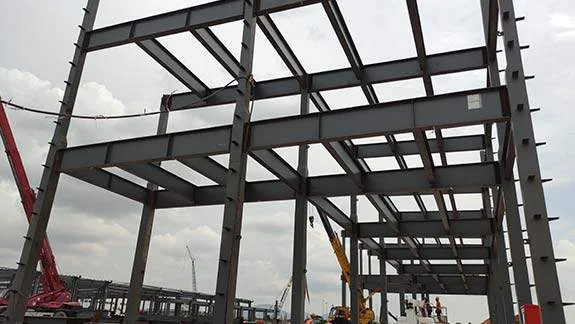
Steel structure buildings have become a popular choice for various construction projects, offering numerous advantages over traditional building materials like concrete or wood. Their strength, durability, and cost-effectiveness make them an ideal solution for warehouses, factories, commercial buildings, and even residential homes. In this article, we will explore why steel structure buildings are a preferred option, their key benefits, and the factors to consider when choosing one for your project.
What Is a Steel Structure Building?
Overview of Steel Structure Construction
A steel structure building is a type of construction where steel serves as the primary material for the framework. The structural components, including beams, columns, and trusses, are fabricated off-site and assembled at the construction location. Steel buildings are widely used in commercial, industrial, and residential sectors due to their high strength-to-weight ratio and flexibility in design.
Types of Steel Structure Buildings
Steel structure buildings come in various types, depending on their application:
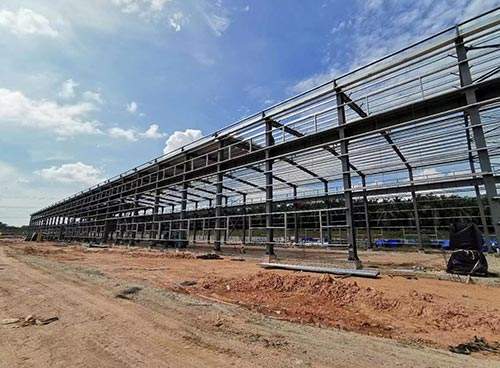
- Pre-engineered steel buildings – Used for warehouses, factories, and storage facilities.
- Multi-story steel buildings – Commonly found in office buildings and residential towers.
- Steel frame buildings – Suitable for commercial spaces and mixed-use developments.
- Modular steel buildings – Prefabricated structures designed for quick assembly and portability.
Key Benefits of a Steel Structure Building

Strength and Durability
One of the primary reasons for choosing a steel structure building is its strength. Steel offers high load-bearing capacity and resistance to environmental factors like earthquakes, hurricanes, and heavy snow. Unlike wood, it does not rot, warp, or suffer from insect damage, ensuring a longer lifespan for the building.
Cost-Effectiveness and Reduced Construction Time
Steel buildings are cost-effective due to their prefabricated nature, reducing construction time and labor costs. The ability to assemble steel components quickly minimizes project delays, making steel structures an excellent choice for time-sensitive projects.
Energy Efficiency and Sustainability
Steel structure buildings are environmentally friendly as they use recyclable materials. They also offer excellent insulation options, reducing heating and cooling costs. Many steel buildings incorporate energy-efficient features like solar panels and insulated panels to improve overall energy performance.
Design Flexibility and Customization
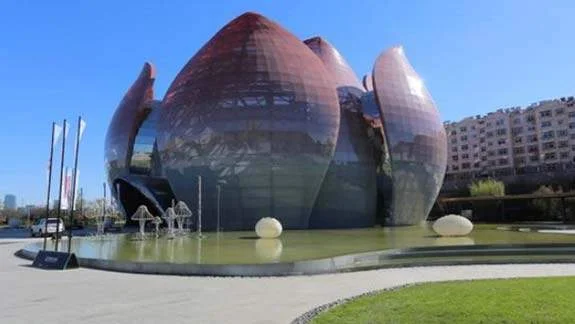
Steel allows for versatile and innovative designs, providing architects and engineers with greater flexibility in creating unique structures. Whether for industrial, commercial, or residential purposes, steel structures can be customized to meet specific project requirements.
Low Maintenance and Longevity
Compared to traditional building materials, steel requires minimal maintenance. It is resistant to mold, termites, and moisture-related issues, reducing long-term upkeep costs. A properly maintained steel building can last several decades, making it a smart long-term investment.
Applications of Steel Structure Buildings
Industrial and Commercial Use
Steel buildings are commonly used in industries such as manufacturing, logistics, and retail. Their large open spaces make them ideal for warehouses, factories, and shopping malls.
Agricultural Buildings
Farmers use steel buildings for barns, storage facilities, and livestock shelters. Their ability to withstand harsh weather conditions makes them a reliable choice for agricultural needs.
Residential Construction
Modern advancements in steel frame technology have made steel structures viable for residential housing. Steel homes offer durability, fire resistance, and modern aesthetics.
Sports and Recreational Facilities
Many sports stadiums, gymnasiums, and indoor arenas utilize steel structures due to their ability to support large spans without internal columns, providing unobstructed spaces.
Comparison of Steel Structure Buildings vs. Traditional Buildings
| Feature | Steel Structure Buildings | Traditional Buildings (Concrete/Wood) |
|---|---|---|
| Construction Time | Faster due to prefabrication | Longer due to on-site construction |
| Cost Efficiency | Lower overall cost due to reduced labor and materials | Higher due to increased material and labor expenses |
| Durability | Resistant to corrosion, fire, and natural disasters | Prone to weather damage, termites, and wear |
| Sustainability | 100% recyclable and environmentally friendly | Often non-recyclable and generates more waste |
| Maintenance | Low maintenance required | Requires frequent repairs and maintenance |
| Design Flexibility | Can be customized with open spaces and unique structures | Limited flexibility in modifications |
Conclusion
Steel structure buildings provide an excellent solution for modern construction projects, offering strength, cost efficiency, and design flexibility. Whether used for commercial, industrial, agricultural, or residential purposes, they provide a durable and sustainable alternative to traditional building materials. If you’re planning a new project, considering a steel structure building could be a smart and future-proof decision.
FAQ
How long do steel structure buildings last?
Steel buildings can last over 50 years with proper maintenance. Their durability against rust, corrosion, and natural disasters makes them a long-lasting choice.
Are steel buildings more expensive than traditional buildings?
Initially, steel buildings may have comparable costs to traditional structures, but they save money in the long run due to reduced labor, maintenance, and energy expenses.
Can steel buildings be customized for specific designs?
Yes, steel structures offer extensive design flexibility, allowing for customized layouts, heights, and architectural features.
Are steel buildings environmentally friendly?
Yes, steel is 100% recyclable and contributes to sustainable construction by reducing waste and promoting energy efficiency.
Do steel buildings require special maintenance?
Steel buildings require minimal maintenance. Regular inspections and protective coatings can prevent rust and ensure longevity.